
Fans of a crisp weekend breakfast
If you’re after the crunchy combination of rusks and chocolate sprinkles, start by choosing rusks that suit your taste. Albert Heijn describes its plain rusks as crunchy; bear in mind that a crisp base can crumble.


Choose rusks if you want a crisp base for chocolate sprinkles at your weekend breakfast. If you want to compare the fibre content of different types of rusks, check the nutritional information for plain, wholemeal and multiseed varieties. Medium-sliced bread is a different option: choose it if you’d rather have a slice of bread, and check the portion of chocolate sprinkles and the ingredients in both products for each combination.
If you’re after the crunchy combination of rusks and chocolate sprinkles, start by choosing rusks that suit your taste. Albert Heijn describes its plain rusks as crunchy; bear in mind that a crisp base can crumble.
If you want to stick with rusks but compare the stated fibre content, check the nutritional information per 100 g. Albert Heijn lists 11 g of fibre per 100 g for its organic wholemeal multiseed rusks; also check whether the ingredients suit your preferences.
If you need to avoid certain allergens, read the labels on both the rusks and the chocolate sprinkles. Information varies by product: Albert Heijn lists sesame among the ingredients in its wholemeal multiseed rusks, while the product information for De Ruijter Hagelfeest lists milk, soya and wheat.
First decide whether you want rusks or a slice of bread. Then compare the base and the chocolate sprinkles separately: your choice of base mainly determines the shape and texture, while the sprinkles affect the flavour and portion size.
| What to consider | What to look for | Who it matters to |
|---|---|---|
| Rusks or bread | Choose between crisp rusks and medium-sliced bread; check the product type before comparing varieties. | I want crunchy rusks, not to accidentally pick a slice of bread for my weekend breakfast. For around 30% of consumers, the type of base comes first. |
| Fibre in the base | Compare fibre per 100 g and check the ingredients of your chosen type of rusks. | I want to take fibre into account when having rusks with chocolate sprinkles, without switching to bread; for around 30% of consumers, this is the main consideration. |
| Flavour and portion size | Choose your preferred type of chocolate sprinkles and compare the sugar content per 100 g and per portion on the packaging. | I mainly choose chocolate sprinkles for their chocolate flavour, but I also want to know how much I use on one rusk. For around 20% of consumers, this combination of flavour and portion size is a priority. |
| Allergens | Read the ingredients and allergen information for both the base and the topping. | If I need to avoid an ingredient, the information on both packs needs to suit what I can eat. For around 20% of consumers, this check matters most. |
According to the Netherlands Nutrition Centre, an average 15 g portion of chocolate sprinkles contains 9,4 g of sugars. Don’t assume this is the right portion size for every rusk or brand: check the stated portion and the values per 100 g for the nutritional information of your chosen chocolate sprinkles.
Crisp rusks and a slice of bread give you different bases for chocolate sprinkles. Calling bread ‘medium sliced’ doesn’t make it a rusk.
Decide which type of product you want before comparing flavours or nutritional values across varieties.
Albert Heijn’s organic wholemeal multiseed rusks list 11 g of fibre per 100 g, but also contain ingredients such as sesame. Fibre content alone won’t tell you which allergens are relevant to you.
Compare the nutritional information and read the ingredients and allergen information for the exact variety you’re choosing.
The nutritional value of the topping depends in part on the portion you use. The Netherlands Nutrition Centre lists 9,4 g of sugars for an average 15 g portion of chocolate sprinkles.
Check the nutritional information per portion and per 100 g, and decide for yourself how much chocolate sprinkles to put on your rusk or slice of bread.
Rusks and chocolate sprinkles are usually two separate products. The brands listed here can help you identify different varieties; always compare the specific packs before you buy.
A brand to explore if you’re choosing between different types of chocolate sprinkles.
A brand for anyone who considers the type of chocolate flavour an important factor when choosing chocolate sprinkles.
A brand to explore if you want to use rusks as a base for chocolate sprinkles.
A supermarket own brand to compare plain rusks with a wholemeal multiseed variety.
A supermarket own brand to consider when comparing pack sizes and types of chocolate sprinkles.
These products are individual types of rusks and chocolate sprinkles for a weekend breakfast. Choose a base and a topping separately, and check the packaging for both, especially if ingredients or allergens are important to your choice.
 Image unavailable
For anyone looking for a wholemeal rusk base to go with chocolate sprinkles. The pack contains 13 pieces; choose your chocolate sprinkles separately.
Check the ingredients and allergens on the pack if these are important to your choice.
 Image unavailable
For anyone who wants to compare a seeded rusk base with plain or wholemeal rusks. The pack contains 10 pieces; buy the topping separately.
Read the ingredients and allergen information for this variety before choosing it.
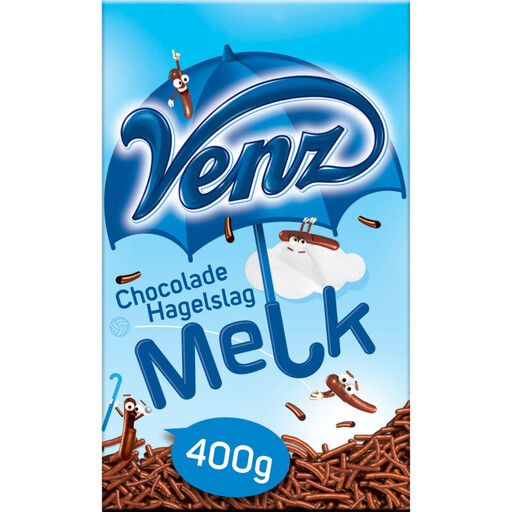 Image unavailable
For anyone who wants to use milk chocolate sprinkles as a topping with their chosen base. This is a 400 g pack of chocolate sprinkles; buy rusks or bread separately.
Check the nutritional information per portion and the allergens on the packaging.
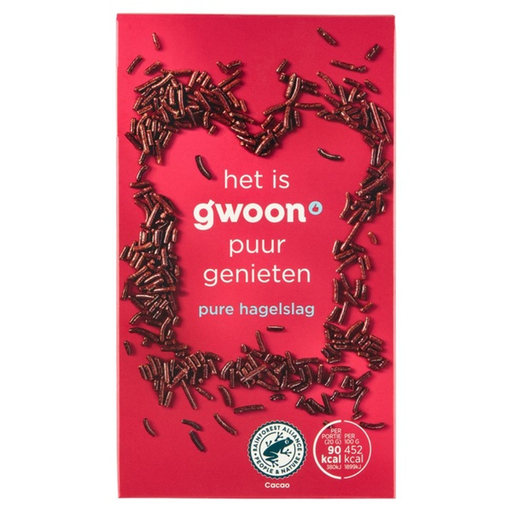 Image unavailable
For anyone who wants to add dark chocolate sprinkles to rusks or bread. The pack contains 400 g of chocolate sprinkles and does not include a rusk base.
Compare the nutritional information and read the allergen information on the pack you choose.
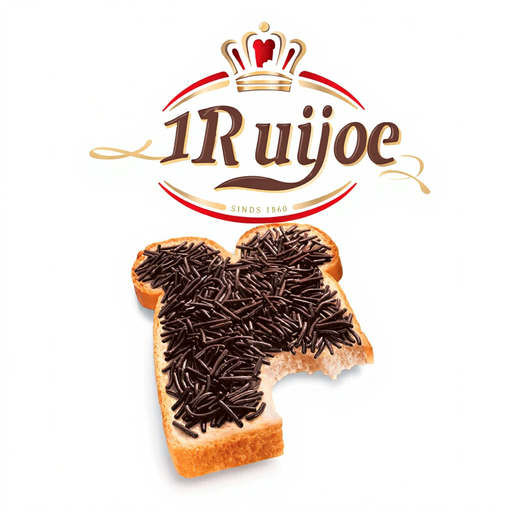 Image unavailable
For anyone looking for dark chocolate sprinkles to pair with their choice of rusk or slice of bread. The pack contains 390 g of chocolate sprinkles; buy the base separately.
If the cocoa percentage matters to you, check the information on the packaging. Also check the allergen information.
No, the Netherlands Nutrition Centre places chocolate sprinkles outside the Wheel of Five. For the variety you choose, compare the sugar and fat content per 100 g and per portion, and decide how much to use on your rusk or slice of bread.
No, don’t assume that every type of rusk has the same ingredients. Check the packaging of your chosen product to see which type of salt is listed.
Read both packs separately, as allergens vary between types of rusks and chocolate sprinkles. For De Ruijter Hagelfeest, Albert Heijn lists milk, soya and wheat, among other ingredients; for its organic wholemeal multiseed rusks, it lists sesame, among others.
After opening, close the pack or storage tin properly and follow the storage instructions for your rusks. Albert Heijn recommends keeping its plain rusks in a sealed tin after opening, and says to store its wholemeal multiseed rusks in a cool, dark and dry place.
Before using the product, also read the packaging of the item you bought. Albert Heijn warns on its product pages that ingredients, nutritional values and allergy information may change.