Choose a light, crisp rusk if texture is your priority with sweet toppings. Look at wholemeal rusks if you mainly want to compare grains and fibre, or seeded rusks if you’re after a different flavour and bite. Whichever variety you choose, check the ingredients, allergens and nutritional information on the packaging. Terms such as ‘luxury’ don’t tell you much about the ingredients on their own.
Who is this choice relevant to?
Fans of a sweet breakfast
You’re looking for a light, crisp rusk to enjoy with toppings such as jam or strawberries. Bolletje describes its Bakkers Beschuit Origineel as a variety made with a high proportion of egg and a light texture. Consider whether this matches what you look for in a rusk.
Shoppers comparing wholemeal options and fibre
You want to compare the grains and fibre per 100 g for your breakfast, even if that makes a classic, light rusk less suitable. The Netherlands Nutrition Centre distinguishes wholegrain cereal products from white cereal products by their fibre content.
Label readers with specific ingredient requirements
You compare varieties based on ingredients such as wheat, egg and sesame, or their nutritional values. Ingredients vary between rusks, so check the current packaging of the variety you want to buy.
What should you look for when choosing?
First, decide which quality matters most for your sweet breakfast. Then use the ingredients list and nutritional information to compare varieties on a like-for-like basis.
| What to consider | What should you check? | Who is this most important for? |
|---|
| Texture and flavour |
Read how the variety is described and check the ingredients if a recipe with a high proportion of egg matters to you. |
I mainly want a light, crisp rusk to enjoy with sweet toppings for a special breakfast. This flavour and texture are the top priority for around 30% of consumers. |
| Wholemeal and fibre |
Check which grains are listed in the ingredients and compare the fibre per 100 g. |
A wholegrain base and fibre content matter more to me than a classic, light texture. This is the top priority for around 30% of consumers. |
| Ingredients and nutritional information |
Check the allergens and compare the nutritional values per 100 g for the exact varieties. |
If I need to avoid certain ingredients or am looking for a specific nutritional profile, the label determines which rusks I consider. Around 20% of consumers put these checks first. |
| Pack size and availability |
Compare the number of rusks and check whether your chosen variety is available at your shop or in your delivery area. |
I want to be able to buy a suitable pack without relying on a range listing as proof of stock. This is the main consideration for around 20% of consumers. |
Common mistakes
-
Assuming ‘premium’ means better nutrition
A larger size, a recipe with a high proportion of egg or the word ‘artisan’ doesn’t automatically tell you how its nutritional values compare with those of another rusk.
Decide which texture or ingredients you’re looking for, then compare fibre, sugars and salt per 100 g on the packaging.
-
Guessing allergens from the product name
The varieties reviewed, which include egg, seeds or different grains, show that wheat, egg and sesame are ingredients to check for each product.
Read the current ingredients list and any warnings about possible traces, even if you already know the variety.
-
Assuming baker’s salt contains iodine
Not all rusks have to contain the same type of salt. The word ‘rusk’ doesn’t tell you whether iodised baker’s salt has been used.
If this matters to you, check the ingredients list for the specific product.
-
Assuming a range listing means an item is in stock
A product may appear on a category page without being available at your chosen shop. Retailers also differ in whether an item is sold online or only in store.
Check availability at your shop or in your delivery area, and look at the pack size before choosing a specific variety.
Brands to consider
Bolletje
The range reviewed includes both classic rusks made with a high proportion of egg and wholemeal varieties, making them relevant to this choice.
- Bolletje says its Bakkers Beschuit Origineel contains 2.6% free-range eggs; the brand links its recipe to a light, crisp texture.
- Ingredients and allergens vary by variety. Check the packaging for wheat, egg and sesame, among other ingredients.
Albert Heijn
A supermarket own-brand range that lets you compare plain, wholemeal, spelt and multiseed rusks.
- Albert Heijn lists these different types of rusk in its range.
- Albert Heijn recommends checking the packaging, as product information can change.
PLUS
Worth considering if you want to compare a larger seeded rusk with a classic variety.
- PLUS describes its Luxe Naturel met Zaden as a large, crisp rusk with seeds.
- Check the ingredients and local availability of the exact variety before counting on it.
TastyBasics
A rusk to consider when a specific nutritional profile matters more to you than a classic recipe.
- The sunflower seed rusk reviewed has nutritional information that you can compare with other varieties per 100 g.
- This variety contains several relevant allergens. Nutritional values alone don’t replace checking the ingredients.
Goud Gebakken
ALDI’s own brand offers plain and wholemeal options for shoppers who want to compare rusks by their basic characteristics.
- ALDI lists its Goud Gebakken wholemeal rusks in a pack of 13.
- The wholemeal label doesn’t tell you about the ingredients or nutritional values of the plain variety. Compare the packaging separately.
Rusks for different breakfast preferences
These rusk varieties give you a choice of classic light rusks, seeded rusks and wholemeal rusks. First, decide which texture you want with sweet toppings, then check the label of your preferred variety.
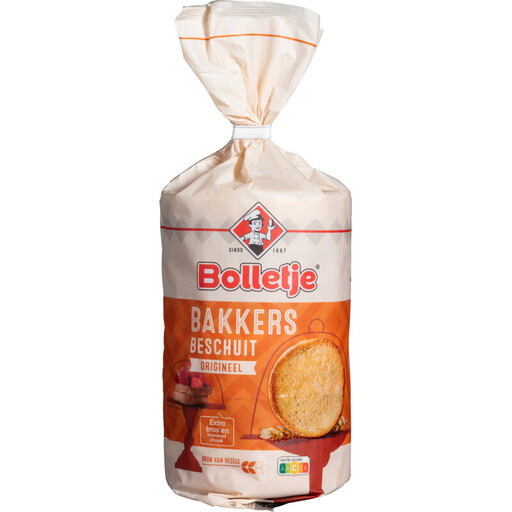 No image available
Bolletje Original rusks, 10 pieces
A classic variety to consider if you’re looking for a light rusk to enjoy with sweet toppings.
Pack of 10. Check the ingredients and allergens on the current packaging.
View at Joybuy
 No image available
Bolletje Multi-Seed rusks, 10 pieces
A seeded variety for anyone looking for a different grain flavour to enjoy alongside sweet toppings.
Pack of 10. Check the ingredients, including any allergens, on the packaging.
View at Joybuy
 No image available
Bolletje dark wholemeal rusks, 10 pieces
A wholemeal variety to compare if grains and fibre are your breakfast priorities.
Pack of 10. The nutritional information reviewed lists 10 g of fibre per 100 g; check the current packaging for ingredients and allergens.
View at Joybuy
 No image available
Bolletje wholemeal rusks, 13 pieces
A wholemeal option if you want the grains listed on the label to influence your choice of rusks to enjoy with sweet toppings.
Pack of 13. Compare the nutritional information and allergens in this variety with those of other wholemeal rusks.
View at Joybuy
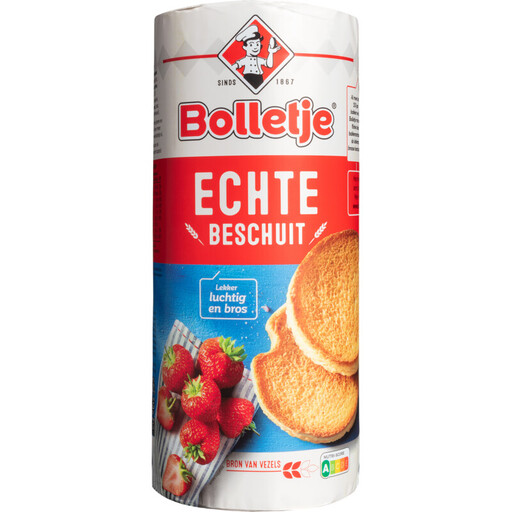 No image available
Bolletje Real Rusks, 13 pieces
A classic rusk for anyone looking for a simple base for sweet toppings.
Pack of 13. Check the current packaging if the grains, egg or other allergens matter to your choice.
View at Joybuy
Frequently asked questions
Do rusks always contain iodised baker’s salt?
No, don’t assume they do. NBC / brood.net states that using iodised baker’s salt is not a legal requirement. If this matters to your choice, check the ingredients list for the specific rusk.
Which allergens should I check in rusks with egg or seeds?
At the very least, check which grains, egg and sesame are listed on the packaging of your chosen variety. Bolletje lists wheat and egg in the Bakkers Beschuit reviewed; the PLUS luxury seeded rusk reviewed contains wheat, egg and sesame. Also read any warnings about possible traces.
Are wholemeal rusks always a better fit for a sweet breakfast?
No, it depends on the flavour, texture and ingredients you’re looking for. The Netherlands Nutrition Centre states that wholegrain cereal products contain more fibre than white cereal products. Compare the specific rusk varieties per 100 g and check their ingredients to find the right option for you.
How can I keep rusks crisp after opening?
Seal the pack securely after use and store the rusks in a dry place. This limits their exposure to moisture, which can affect their crisp texture.


