What should you look for in rusks for lunch?
First, decide what matters most for your lunch: fibre, suitable ingredients, texture or a simple base. Then compare the specific packs using the same unit of measurement.
| What to consider | What to check when buying | Who it matters to |
|---|
| Fibre and wholemeal |
Check the wholemeal labelling and compare fibre per 100 g. A value per piece may be based on a different serving size. |
If rusks are often the basis of my lunch, I want to be able to compare the fibre content of different products. An estimated 31% of consumers put fibre and wholemeal content first when choosing. |
| Ingredients and allergens |
Read the ingredients, highlighted allergens and any warnings about possible presence that are relevant to you on the current packaging. |
If I have an allergy or dietary restriction, the ingredients in my chosen variety need to be suitable. An estimated 23% of consumers put these checks ahead of other preferences. |
| Texture and flavour |
Choose between plain, grain or seed varieties, and a variety the brand describes as extra crisp; also check which ingredients it contains. |
When choosing a base for toppings, I mainly want a texture and flavour I enjoy. An estimated 23% of consumers choose primarily on these qualities. |
| A simple lunch base |
Check the ingredients, nutritional information and storage instructions for the specific pack. |
If I’m buying rusks for several lunches, I mainly want a familiar, simple base for toppings. An estimated 23% of consumers put this need first. |
Rusks for different lunch preferences
These rusks offer a wholemeal base, a variety with seeds or a classic base for toppings. The right choice depends on the ingredients and nutritional information on the pack you choose.
 No image available
Bolletje Dark Whole Wheat Rusk, 10 pieces
For a lunch where you’re looking for wholemeal rusks; compare the fibre per 100 g on the packaging. If you have allergies, check the current information for wheat, oats, barley and sesame, among other ingredients.
View at Joybuy
 No image available
Bolletje Wholegrain Rusk, 13 pieces
A wholemeal rusk base for toppings; use the current nutritional information to compare this variety with other packs. If you have allergies, check the information for wheat and egg, and for possible traces of sesame.
View at Joybuy
 No image available
Bolletje Multi-Seed Rusk, 10 pieces
For anyone who wants seed-topped rusks with lunch; check the wholemeal labelling separately if that matters to you. If you have allergies, read the current information about wheat and sesame, among other ingredients.
View at Joybuy
 No image available
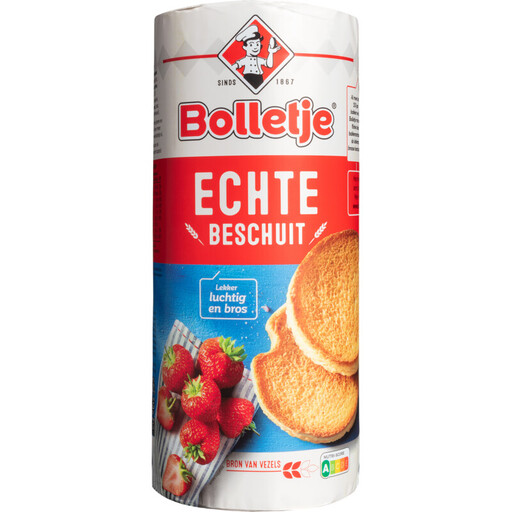
Bolletje Real Rusk, 13 pieces
For anyone looking for a classic rusk base for toppings; compare the fibre per 100 g if that’s your main criterion. If you have allergies, check the information for wheat, rye and egg, among other ingredients, and for possible traces of sesame.
View at Joybuy
Frequently asked questions
Are multigrain rusks automatically wholemeal?
No, the name ‘multigrain’ doesn’t confirm that the rusks are wholemeal. Check the wholemeal labelling and compare the fibre, salt and ingredients on the packs you’re thinking of buying.
Which allergens should I check in rusks?
Check the allergens on the pack you choose, especially if cereals containing gluten, egg or sesame are relevant to you. The varieties we looked at differ in their ingredients and warnings about possible presence; according to the NVWA, allergens must be listed and highlighted on the label.
How should I store rusks for several lunches?
Follow the storage advice and best-before date on the packaging. For the Beschuit Naturel we looked at, Jumbo recommends storing it in a cool, dry and dark place; for another product, check its own packaging.
Why doesn’t ‘medium sliced’ help when choosing rusks?
‘Medium sliced’ isn’t a confirmed description of a rusk variety or bread slice thickness. Choose by type of rusk, ingredients and nutritional information; Jumbo explains that the halves of a rusk roll are baked again after being sliced.
Can I tell from the name whether a rusk contains iodised baker’s salt?
No, the product name doesn’t tell you which salt was used in the rusks you’ve chosen. Check the ingredients on the packaging or ask the manufacturer which salt they use if that matters to your purchase.


