What should you look for when choosing?
Start with how many rusks you usually use. Then compare the packaging, nutritional information and label for the variety you want to buy.
| What to consider |
What to check when buying |
Who it matters to |
| Pack size |
Compare 10 and 13 rusks with how many you use; also check the best-before date and storage advice. |
If I rarely eat rusks, I don’t want to open more than I expect to use. For around 37% of consumers, choosing a suitable pack size is the top priority. |
| Fibre and wholegrain |
Read the ingredients and compare fibre per 100 g; if you choose a seeded variety, check the allergens too. |
For my lunch, I want to know whether the rusks contain wholegrain ingredients and how much fibre they provide. Around 27% of consumers prioritise this nutritional information. |
| Taking them along and handing them out |
Check whether an individually wrapped option is available from your chosen retailer. |
If I take one rusk with me or hand out individual portions, I don’t want to open a whole roll each time. Around 18% of consumers prioritise individually wrapped portions. |
| Allergens |
For each variety you choose, read both ‘contains’ and ‘may contain’ on the current packaging. |
For a shared lunch, I need to be able to check which ingredients could be a problem for those attending. Around 18% of consumers put allergen checks ahead of their other purchasing considerations. |
Rusks for your lunch stash
These Joybuy products are rolls of rusks containing 10 or 13 pieces. Use the number of pieces as a starting point for your lunch stash, and check the ingredients, nutritional information and storage instructions for each variety.
 No image available
Bolletje multiseed rusks, 10 pieces
A roll of 10 is worth considering if you only use a few rusks at a time and are looking for a multiseed variety.
For a shared lunch, check the current label for wheat, sesame and any other relevant allergens.
View at Joybuy
 No image available
Bolletje dark wholegrain rusks, 10 pieces
This roll combines 10 rusks with a dark wholegrain variety, for anyone who wants to consider both when choosing lunch.
Compare the nutritional information per 100 g and read the label if wheat, oats, barley or sesame are relevant to your lunch group.
View at Joybuy
 No image available
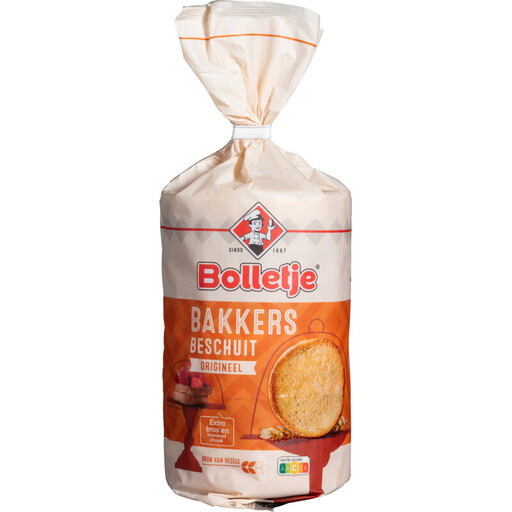
Bolletje Original rusks, 10 pieces
Consider this roll if you’re looking for an Original variety and 10 rusks suit your needs better than 13.
Check the allergen information before buying, especially if wheat, egg or possible traces are a concern for those who will be eating them.
View at Joybuy
 No image available
Bolletje wholegrain rusks, 13 pieces
This wholegrain variety contains 13 rusks and suits a lunch stash where you’ll use that many.
If you want to compare fibre content, use the value and unit shown on the packaging. Also check the allergen information for those who will be eating them.
View at Joybuy
 No image available
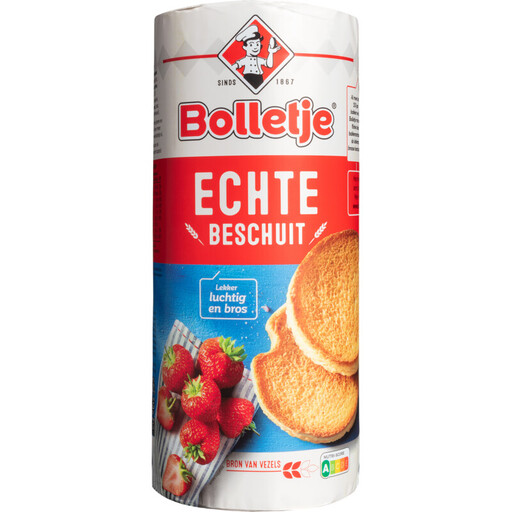
Bolletje Echte Beschuit, 13 pieces
A roll of 13 is an option if you can use that many for your lunches; it isn’t the smaller roll in this selection.
Read the current label if wheat, egg, rye or the possible presence of sesame matters to your lunch group.
View at Joybuy
Frequently asked questions
Is ‘half a loaf’ a useful measure for rusks?
No. For this choice, it’s better to compare the number of rusks. Albert Heijn and Jumbo, for example, list packs of 10 or 13; think about how many you’ll use before and after opening a roll.
How should I store an opened roll of rusks?
Store opened rusks in a sealed container in a cool, dry and dark place. For its plain variety, Albert Heijn recommends a sealed tin. Follow the storage advice for the variety you buy and check the best-before date on the packaging.
Can I choose plain or wholegrain rusks if I have an allergy?
That depends on the specific variety and the allergen in question. AH Beschuit naturel lists wheat, rye and egg, among other ingredients, while the Bolletje Donker Volkoren variety shown by Jumbo also lists sesame. Before eating, read the current label, including the ‘may contain’ information.
Does salt in rusks mean they contain iodine?
No. A product page that says ‘salt’ alone doesn’t mean iodised baker’s salt was used in those rusks. The Dutch Commodities Act Decree defines baker’s salt as iodised table salt; according to the Netherlands Nutrition Centre, using baker’s salt in bread is not compulsory. For a specific rusk, check the label or ask the manufacturer to confirm.


