For brunch or a special breakfast, choose a larger, traditional rusk when a light texture and attractive presentation are your priorities. If you’re mainly stocking up for everyday use, compare wholegrain rusks and seeded varieties by their ingredients and fibre per 100 g. If you’re buying several rolls, also check the allergens, best-before date and storage instructions on the packaging you’re purchasing.
Who is this choice relevant to?
Stocking up for brunch and celebratory breakfasts
You want to serve rusks for an occasion where size, lightness and crispness matter. Bolletje describes its traditional Bakkers Beschuit as light and crisp, but do check that the ingredients are suitable for your guests.
Stocking up with fibre in mind
You regularly eat rusks for breakfast or lunch and want to compare varieties by fibre per 100 g, wholegrain status and ingredients. Check the current packaging for the roll you’ve chosen, not just the product name.
Planning how much to buy
You’re buying several rolls at once and want the number of rusks to match the occasions when you’ll serve them. Before stocking up, check the best-before date and storage instructions for after opening.
What should you look for when choosing?
First decide whether you’re buying rusks mainly for a special occasion or for regular use. Then compare the ingredients and work out how many rolls you can use before their best-before date.
| What to consider |
What to check when buying |
Who should give this more weight? |
| Occasion and size |
Check the product description for size and crispness, and see how many rusks are in each roll. |
For brunch, I want rusks that work well with the toppings and presentation. This is the top priority for around 40% of consumers. |
| Fibre and wholegrain |
Compare fibre per 100 g and read the ingredients list for the exact variety you’ve chosen. |
If rusks are a regular part of my breakfast or lunch, the ingredients and fibre content matter more than size. This is the main reason for choosing a variety for around 30% of consumers. |
| Stocking up and storage |
Check the number of rusks, the best-before date and the storage instructions before and after opening. |
When buying several rolls, I want to avoid buying more than I can use in time. This is the top priority for around 30% of consumers. |
Common mistakes
-
Choosing seeded rusks without checking the allergens
Ingredients vary between varieties. The seeded and multigrain rusks examined list allergens including cereals, egg or sesame; the product name alone won’t tell you which of these apply to the roll you’re buying.
Before buying several rolls, check the current ingredients and allergen information for the exact variety.
-
Relying on outdated wholegrain information
According to the Netherlands Food and Consumer Product Safety Authority, a product can only be called wholegrain if 100% of its grain ingredients are wholemeal flour. The authority also describes an Albert Heijn rusk whose assessed variety was later changed.
If wholegrain is a deciding factor for you, check the description and ingredients on the current packaging.
-
Assuming that all rusks contain baker’s salt
The Netherlands Nutrition Centre says that baking with baker’s salt is not compulsory. If an ingredients list only mentions ‘salt’, you can’t tell which type of salt was used in those rusks.
If the presence of baker’s salt matters to your choice, look for an explicit mention for the product in question.
Brands to consider
Bolletje
Bolletje offers both traditional Bakkers Beschuit and wholegrain varieties. Choose between these product ranges based on the occasion and the ingredients in the specific roll.
- Bolletje describes Bakkers Beschuit as light and crisp, made to a traditional Twente recipe.
- Traditional and wholegrain varieties don’t have the same ingredients. Check each product for ingredients such as egg, cereals and sesame.
Jumbo
The Jumbo Robuust rusks examined include spelt and multigrain varieties with seeds, both in 230 g rolls.
- The product descriptions distinguish between a spelt variety and a multigrain variety.
- Check the allergen list for the variety you choose; seeds and the name of a grain on the front don’t give you the full picture.
PLUS
PLUS offers a simple wholegrain rusk and a separate wholegrain variety with seeds. They suit different plans, whether you’re stocking up for everyday use or preparing for a more elaborate occasion.
- According to PLUS product information, the seeded variety contains over 25% seeds and kernels and comes in a 230 g roll.
- Don’t assume the seeded variety is interchangeable with the plain wholegrain roll; compare the ingredients and allergens separately.
Albert Heijn
If you’re specifically looking for wholegrain rusks at Albert Heijn, check the current product description.
- The Netherlands Food and Consumer Product Safety Authority says an assessed Albert Heijn variety was later changed to a 100% wholegrain variety.
- Base your current stocking choice on the label of the roll you’re buying, not information about an earlier variety.
Goud Gebakken
Goud Gebakken is an ALDI own-brand range that includes plain rusks. This variety can be a straightforward option to keep in your cupboard alongside a roll for special occasions.
- ALDI lists 13 rusks in a pack of the plain variety.
- Check the packaging if ingredients, nutritional information or allergens are important to your choice.
Rusks for different stocking plans
These Joybuy products let you choose between seeded rusks, wholegrain rusks and classic varieties. Decide which rolls you want to keep for everyday use or a special breakfast, and always check the best-before date when buying multiple packs.
 Image unavailable
Bolletje Multi-Seed rusks, 10 pieces
An option if you’re looking for seeded rusks to stock up on. The pack contains 10 pieces; check the current ingredients and allergens if they affect your choice.
View at Joybuy
 Image unavailable
Bolletje Dark Whole Wheat rusks, 10 pieces
A choice for anyone wanting to stock up on a dark wholegrain variety with oats and seeds. The pack contains 10 pieces; Joybuy’s product information lists 8,8% oat flakes and 5,8% seeds. If you have allergies, check the current packaging.
View at Joybuy
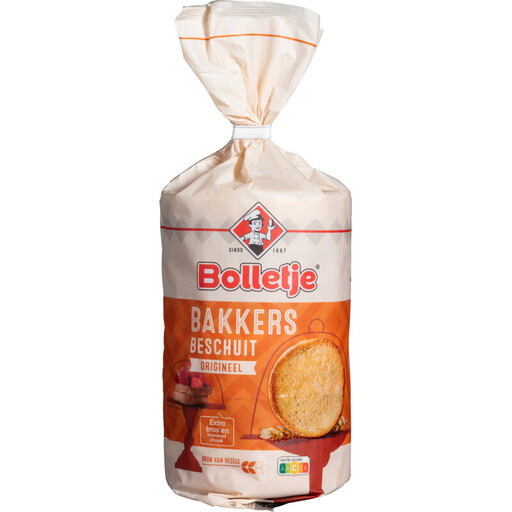 Image unavailable
Bolletje Original rusks, 10 pieces
A classic rusk for brunch or a special breakfast. Joybuy describes this 10-piece variety as extra-large, light and crisp; if you have an allergy, check the ingredients on the current packaging.
View at Joybuy
 Image unavailable
Bolletje Wholegrain rusks, 13 pieces
A wholegrain variety to consider if you’re stocking up for regular breakfasts or lunches. The pack contains 13 pieces; only compare fibre values when it’s clear whether they’re given per 100 g or per serving.
View at Joybuy
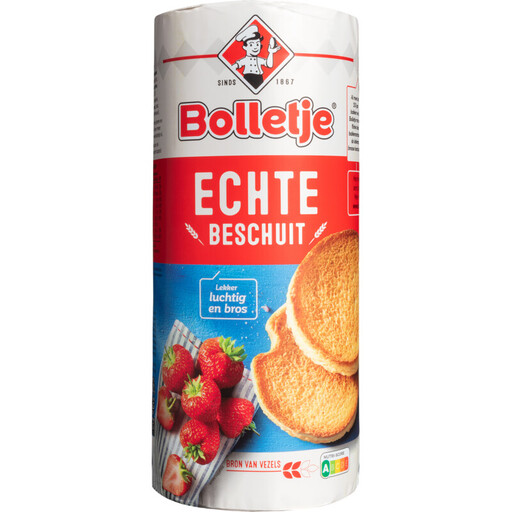 Image unavailable
Bolletje Real rusks, 13 pieces
A classic rusk option if you want to stock several rolls for everyday breakfasts or lunches. The pack contains 13 pieces; for a special occasion, check that the size and ingredients suit your plans.
View at Joybuy
Frequently asked questions
Which rusks should I serve at brunch?
A larger, traditional rusk is a good fit when size and a light, crisp presentation are your priorities; Bolletje describes its Bakkers Beschuit in these terms. If you’d rather serve wholegrain or seeded rusks, compare the ingredients and allergens of the specific rolls before buying several.
How should I store several rolls of rusks?
Follow the instructions on each pack and check the best-before date before stocking up. The Jumbo varieties examined say to store in a cool, dry, dark place; after opening, check the instructions for your product again.
What does wholegrain mean for rusks?
According to the Netherlands Food and Consumer Product Safety Authority, a product can only be called wholegrain if 100% of its grain ingredients are wholemeal flour. Check the current description and ingredients of the rusks you’re buying, particularly if you’ve seen information about an older variety.
Do rusks always contain baker’s salt?
No, you can’t assume that for every rusk. The Netherlands Nutrition Centre says that using baker’s salt when baking bread isn’t compulsory. For rusks, look for a specific mention on the product rather than assuming the type of salt used from the word ‘salt’.


