What should you look for when choosing?
First, choose a flavour and texture that suit the eater. Then compare the nutritional information per 100 g and, if there is an allergy, read the ingredients before buying.
| What to consider |
What to check |
Who it matters to |
| Familiar flavour and texture |
Start with a familiar plain or classic variety; look out for visible seeds and a different grain flavour. |
If a child rejects new textures, I want to keep mealtimes familiar. Around 40% of consumers give this familiar eating experience top priority. |
| Fibre |
Compare the fibre content per 100 g on the packaging and see whether the eater accepts the wholemeal variety. |
For a breakfast with wholemeal rusks, I want to know how much fibre the product contains without losing sight of the flavour. Around 30% of consumers put fibre first. |
| Allergens and ingredients |
Read the current ingredients list, including the allergen information and any warnings about possible traces. |
If someone I am buying for needs to avoid an allergen, the label determines which rusks I can choose. For around 20% of consumers, this is their main concern. |
| Availability |
Check whether your chosen variety is available at your shop or for delivery to your area. |
If I need rusks for a planned meal, I want to be sure I can get the pack I have chosen. Availability matters most to around 10% of consumers. |
Rusks on Joybuy
These products show three options for the same meal: wholemeal rusks, dark wholemeal rusks with seeds, and plain rusks. Start with the texture the eater accepts, then compare the label information that matters to you.
 Image unavailable
Bolletje Wholemeal Rusks, 13 pieces
An option if the eater accepts wholemeal rusks and you want to keep an eye on fibre.
According to Joybuy’s product information, this variety contains 11 g of fibre per 100 g. The pack contains 13 pieces.
Before buying, check the current allergen information, including details about wheat, egg and possible traces of sesame.
View on Joybuy
 Image unavailable
Bolletje Dark Wholemeal Rusks, 10 pieces
An option if the eater likes wholemeal rusks with visible oat flakes and seeds.
According to Joybuy’s product information, this variety is topped with 8,8% oat flakes and 5,8% seeds. The pack contains 10 pieces.
The different ingredients may make all the difference to a fussy eater. If you have an allergy, read the current ingredients and allergen information on the pack.
View on Joybuy
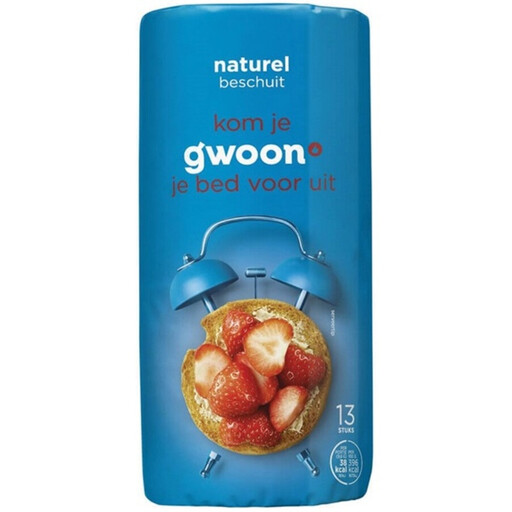 Image unavailable
g'woon Plain Rusks, 125 g
A plain option to consider if you do not want to introduce a seeded variety.
The pack contains 125 g. Check the current ingredients and allergens if they affect your choice.
View on Joybuy
Frequently asked questions
Are wholemeal rusks always suitable for a fussy eater?
No, not if the eater dislikes the flavour or texture. If you want to try wholemeal rusks, offer a small portion without pressure to eat it, as the Netherlands Nutrition Centre advises for fussy eating.
Which allergens should I check in rusks?
Read the allergen information on the specific pack: the varieties reviewed here list ingredients such as wheat, egg or sesame, but their ingredients differ. Also check for warnings about possible traces of allergens, and do not rely on the product name alone.
Do all rusks contain iodised baker’s salt?
Do not assume this is the case for a particular pack. If iodised baker’s salt matters to your choice, check the product information or ask the manufacturer.
How do I keep rusks crisp after opening?
Seal the pack securely after opening and store the rusks in a dry place. Check the pack for the best-before date and any additional storage instructions.


