Which rusks are right for you?

If you want the toppings to stand out

If you’re planning to pile toppings generously onto rusks for a sharing platter, look at the size and choose a flavour that lets the toppings shine. Jumbo and Bolletje both offer classic varieties, and Bolletje describes its original rusks as extra large.

If you’re after seeds and a firmer bite

You want the rusks themselves to bring something to the table as well as the toppings. Seeded varieties are worth comparing; PLUS describes its spelt rusks with seeds as large and crisp.

If you like to read the packaging carefully

If ingredients, allergens or nutritional values are important to you, compare the current labels for each variety. Don’t assume they contain iodine-enriched baker’s salt either: according to the Netherlands Nutrition Centre, bakers aren’t required to use it.

What should you look for when choosing?

First decide whether you mainly want the rusks to hold toppings or to add their own flavour and texture. Then compare the packaging and nutritional information of the varieties that match your preference.

What to consider What to check when buying Who is this important to?
Room for toppings Compare the size descriptions and the number of pieces; choose a mild flavour if you want the toppings to stand out. I want to add plenty of toppings without the base flavour taking over. This is the main consideration for around 42% of consumers.
Seeds and texture Check which seeds are listed in the ingredients and compare the stated fibre per 100 g. With simple toppings, I want the rusks themselves to add texture. This is the top priority for around 33% of consumers.
Label and allergens Check the allergens and nutritional values per 100 g; if iodine matters to your choice, look for baker’s salt in the ingredients list. When serving guests with allergies, I want to know exactly which ingredients I’m serving. Around 25% of consumers prioritise checking the label.

Common mistakes

  • Taking ‘luxury’ as the deciding factor

    Terms such as luxury, artisan or spelt don’t tell you by themselves whether the rusks suit your toppings or ingredient preferences.

    First choose between a plain base and rusks with a more distinctive flavour of their own. Then compare the ingredients and nutritional information for the specific varieties.

  • Overlooking allergens in seeded rusks

    The spelt and mixed-seed varieties reviewed may contain ingredients such as wheat, other cereals containing gluten, egg or sesame. Seeds shown on the front of the pack don’t give you the full picture.

    If you have allergies, always check the current ingredients and allergen information for the product you’re serving.

  • Assuming the rusks contain iodine-enriched baker’s salt

    According to the Netherlands Nutrition Centre, bakers aren’t required to use baker’s salt. So the name or appearance of a rusk won’t tell you whether it contains it.

    Check the ingredients list for baker’s salt if this is relevant to your choice.

  • Adding the toppings too early

    Moist toppings can spoil the crisp texture of rusks, even if you’ve deliberately chosen a large or sturdy variety.

    Store the rusks in a dry place, reseal the pack after opening and add the toppings just before serving.

Brands and shops to explore

Bolletje

Bolletje offers classic and mixed-seed rusks, among other varieties. This makes it easy to compare a mild base with an option that has a more pronounced seed and kernel flavour.

  • Bolletje describes its original rusks as extra large.
  • The mixed-seed rusks contain wheat and sesame and may contain other cereals containing gluten; check the current label if you have allergies.

Albert Heijn

Albert Heijn offers plain, wholemeal, spelt, mixed-seed and organic rusks, as well as products from other brands.

  • You can compare different types of rusks from its range side by side.
  • Compare the ingredients and nutritional information for each product; the variety name alone doesn’t tell you everything that’s on the label.

Jumbo

Jumbo offers its own plain, wholemeal, multigrain and spelt rusks, as well as rusks from other brands.

  • The different varieties let you compare a plain base with rusks made with grains.
  • Check the size and ingredients of each variety before choosing it for a sharing platter.

PLUS

PLUS offers spelt rusks with seeds and kernels, as well as luxury plain rusks with seeds.

  • PLUS describes its spelt variety as large and crisp, with seeds and kernels.
  • According to PLUS, the spelt variety contains wheat, barley, spelt, egg and sesame; check the current packaging if you have allergies.

Lidl

Lidl’s range includes plain rusks and artisan multigrain rusks.

  • You can choose between a plain variety and one made with more grains.
  • Check the packaging in store if ingredients or allergens are important to your choice.

ALDI

ALDI offers Goud Gebakken plain and wholemeal rusks.

  • ALDI lists 13 pieces per pack for both of these varieties.
  • If you’re specifically looking for seeds or kernels in your rusks, check the ingredients for your chosen variety separately.

Rusks for a sharing platter at Joybuy

These three varieties contain seeds or kernels and are for anyone who wants the rusks themselves to add texture too. Compare the label for each product; their sizes and ingredients aren’t the same.

Bolletje mixed-seed rusks, 10 pieces

Bolletje mixed-seed rusks, 10 pieces

An option for serving seeded rusks at drinks instead of a plain base.

Pack of 10. This variety contains wheat and sesame and may contain other cereals containing gluten; check the current label if you have allergies.

View at Joybuy
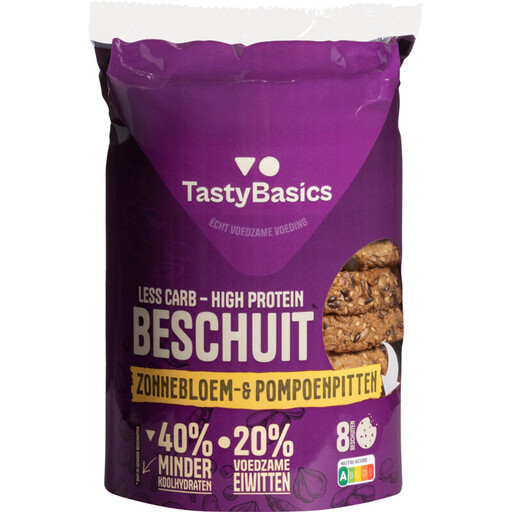
TastyBasics rusks with sunflower seeds, 8 pieces

TastyBasics rusks with sunflower seeds, 8 pieces

Rusks with kernels worth comparing if ingredients and nutritional information matter when choosing what to serve with drinks.

Pack of 8. If you have allergies, check the label for cereals containing gluten, egg and sesame; for nutritional comparisons, look at the information per 100 g.

View at Joybuy
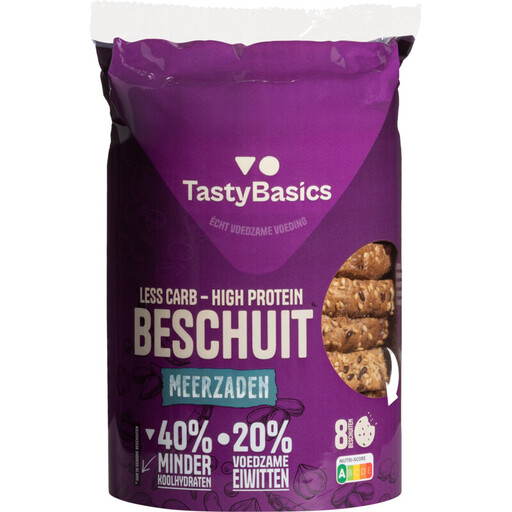
TastyBasics mixed-seed rusks, 184 g

TastyBasics mixed-seed rusks, 184 g

A mixed-seed variety for anyone who wants to serve rusks with a more distinctive texture alongside the toppings.

184 g pack. If you have allergies, check the current ingredients list, particularly for wheat, spelt, barley, egg and sesame.

View at Joybuy

Frequently asked questions

Which rusks go well with toppings for Friday afternoon drinks?

Large rusks with a mild flavour are a good choice if you want the toppings to stand out. Choose a seeded variety if you’d like the rusks themselves to add more texture. If you want to pile on the toppings, check the size on the packaging.

Can I serve spelt or mixed-seed rusks to guests with allergies?

Only if the ingredients and allergens in that specific variety are suitable for the guest in question. PLUS lists wheat, barley, spelt, egg and sesame among the ingredients in its spelt rusks; Bolletje lists wheat and sesame in its mixed-seed rusks and warns that they may contain other cereals containing gluten. Always check the current packaging.

Do Dutch rusks always contain iodine-enriched baker’s salt?

No, you shouldn’t assume they do. According to the Netherlands Nutrition Centre, bakers aren’t required to use baker’s salt. Check the ingredients list for your chosen rusks if this is relevant to your choice.

When should I add toppings to rusks for drinks?

For the crispiest texture, add the toppings just before serving, especially if they’re moist. Until then, keep the rusks in a dry place and seal the pack securely once opened.
