
If you want to serve generous toppings
If cheese, fruit or a spread is the star of the show, compare a large rusk with seeds or kernels with a standard plain variety. Also check whether the packaging can withstand the journey to the park.


For a picnic with generous toppings, consider a large rusk with seeds; if wholemeal is your priority, compare the ingredients and fibre content per 100 g. Plain rusks make a simpler base. Check the allergens for each variety, and take the pack along somewhere dry where it won’t get crushed.
If cheese, fruit or a spread is the star of the show, compare a large rusk with seeds or kernels with a standard plain variety. Also check whether the packaging can withstand the journey to the park.
Compare the grains used and the fibre content per 100 g on the nutritional information. A name that includes ‘wholemeal’ or ‘seeds’ won’t tell you everything about what’s inside.
When you’re sharing a picnic, your choice may depend on your guests. Check the label of the variety you choose for ingredients such as grains, egg and sesame; don’t rely on the brand name alone.
Decide what matters most for this picnic: how the toppings look, the grains used, how you’ll transport the rusks, or the ingredients your guests need to know about.
| What to consider | What to check when buying | Who is this important to? |
|---|---|---|
| Size and toppings | Check the size and whether the rusk has seeds or kernels; also make sure the packaging is undamaged. | If I want to serve generous toppings, I’m looking for a rusk that does them justice. Around 31% of consumers give this presentation the highest priority. |
| Wholemeal and fibre | Compare the ingredients and the fibre content per 100 g. | For me, what goes into the rusk matters more than how it looks beneath the toppings. This is the top priority for around 31% of consumers. |
| Transport and storage | Check the packaging, and take a dry, sturdy, resealable container if the pack has been opened. | I want a whole, dry rusk to top at the picnic, even after carrying the bag there. Keeping rusks intact during transport is the main concern for around 23% of consumers. |
| Allergens and ingredients | For the exact variety, read both the ingredients and the allergen and any ‘may contain’ information. | If guests need to avoid certain ingredients, I need to know which rusks I can safely serve. For around 15% of consumers, this is the most important factor when choosing. |
A premium description alone tells you nothing about a rusk’s fibre content or ingredients.
Compare the nutritional information per 100 g, and read the ingredients and allergen information for the varieties you’re considering.
Baker’s salt contains iodine, but according to the Netherlands Nutrition Centre, bakers aren’t required to use it. You can’t tell whether baker’s salt has been used from the word ‘salt’ on its own.
If it matters to your choice, check the packaging or ask the manufacturer which salt was used in the rusk you’ve chosen.
Among the seed and spelt varieties described, some products contain ingredients such as wheat, egg and sesame. So not every pack will be suitable for every guest.
Check the packaging of the exact variety you buy, and keep rusks with different ingredients clearly separate for guests with different dietary needs.
Moisture and pressure can damage rusks before you’ve had a chance to add the toppings.
Take an opened pack in a dry, sturdy, resealable container, and add the toppings just before you eat.
Bolletje’s range includes Echte Beschuit and varieties made with wholemeal flour or a mix of seeds. Compare the specific pack if you’re looking for a different grain mix or topping.
AH Spelt Beschuit is a spelt variety with seeds and kernels, for anyone who wants these ingredients as part of their topping moment.
Jumbo Robuust Beschuit Spelt is a spelt rusk with seeds and kernels, offering another option alongside other rusks that can be topped.
The PLUS products described include both plain rusks and large varieties with seeds. This lets you compare a simple base with a more generously topped rusk.
The range described includes plain and wholemeal rusks. The plain variety is worth considering if you’re mainly looking for a simple base for toppings.
Lidl lists a 140 g wholemeal rusk for anyone looking to find a wholemeal option in store.
These rusks offer options with seeds or wholemeal flour, alongside more traditional varieties for toppings. Choose according to the ingredients you’re looking for, and check the packaging if you need to take allergens into account.
 No image available
A good choice if you want to pair seeded rusks with picnic toppings. If you’re sharing them, check the allergens on the packaging.
 No image available
A good match if you’re choosing wholemeal rusks to go with your toppings. Check the packaging to see which grains and allergens are listed for this variety.
 No image available
A wholemeal base for toppings if a seed topping isn’t your main priority. Compare the ingredients and nutritional information with other wholemeal varieties.
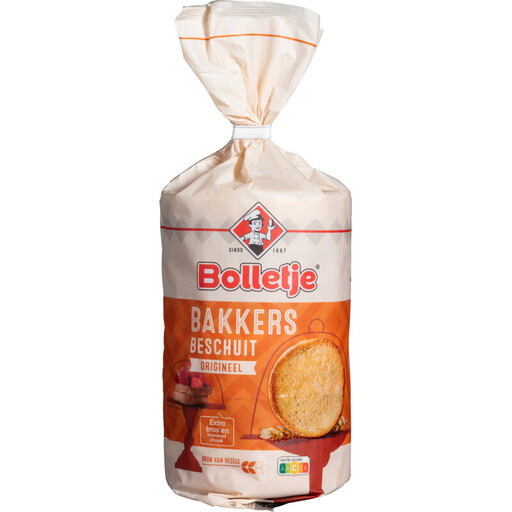 No image available
A classic rusk base if the toppings are what matter most. Check the size on the packaging if you need the rusk to fit a particular portion of toppings.
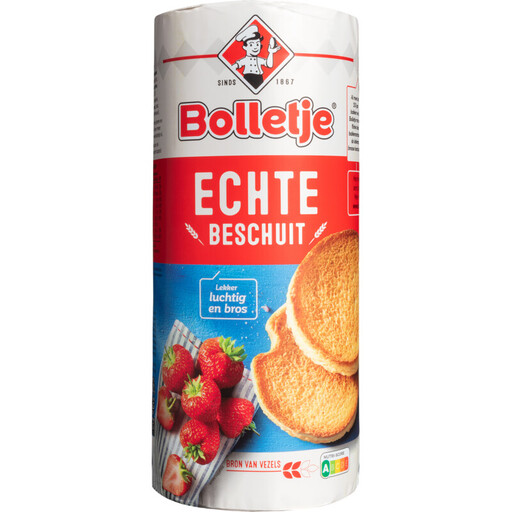 No image available
A rusk base for all kinds of toppings. If you’re picnicking with a group, check the ingredients and allergens on the pack you buy.
No, you can’t assume that. According to the Netherlands Nutrition Centre, bakers aren’t required to use baker’s salt. Check the packaging or ask the manufacturer which salt is in the rusk you’ve chosen.
Protect them from moisture and pressure, for example by using a dry, sturdy, resealable container. Seal an opened pack well, and don’t put heavy items on top of the rusks.
It depends on the variety. The products described include ingredients such as wheat, rye, barley, oats, egg and sesame; other rusks may also contain milk and soya. Always check the allergen information on the pack you buy.