
If you’re looking for a neutral base for toppings
If you want the topping to provide the flavour, start with plain rusks. Compare the ingredients, allergens, weight and number of rusks in each roll.


Choose plain rusks if you want the topping to define the flavour of your snack. If you’re specifically looking for wholemeal flour or a certain fibre content, compare the ingredients and nutritional values per 100 g. Seeded varieties have a different composition, so pay extra attention to allergens. Also check the number of rusks and the current packaging: ‘medium sliced’ isn’t a useful distinction when choosing these rusks.
If you want the topping to provide the flavour, start with plain rusks. Compare the ingredients, allergens, weight and number of rusks in each roll.
Look beyond the colour or seeds on the rusk: check the ingredients list and compare the fibre content per 100 g in the nutritional information.
A different composition might suit your drinks and nibbles spread, but check the allergens on the packaging before serving. The varieties described here include allergens such as egg and wheat, and sesame in the seeded variety.
First decide what role the rusks will play on your drinks and nibbles board. Then compare the packaging details for the varieties that fit the bill.
| What to look for | What to check when buying | Who it matters to |
|---|---|---|
| Neutral base | Compare plain varieties by ingredients and number of rusks per roll. | If the topping provides the flavour, I want a simple base and enough rusks for everyone; around 43% of consumers put a neutral base first. |
| Wholemeal and fibre | Check the flour listed and the amount of fibre per 100 g. | If you’re looking specifically for wholemeal flour or fibre, you’ll want to be able to compare these details on the label. For around 29% of consumers, this is the first thing they look for. |
| Ingredients and allergens | Read the current allergen information, including for rusks containing egg or seeds. | If guests need to avoid certain ingredients, I want to know what the rusks contain before serving them; around 28% of consumers put this check first. |
This description won’t help you distinguish between the Dutch rusk varieties covered here. As a result, you could overlook details that are actually shown on the packaging.
Choose by variety, weight, number of rusks, ingredients and allergens. Check the size if it matters for your toppings.
Bolletje Echte Beschuit lists wheat, rye and egg among its ingredients; the PLUS seeded variety described here also lists sesame. That’s why the composition of the variety you choose matters more than the general product name.
Check the current packaging, and keep rusks with a different composition clearly separate if guests need to avoid certain allergens.
Don’t assume that every rusk contains the same type of salt. This isn’t something you can tell from the product category alone.
If the type of salt used matters to you, check the ingredients list for the specific roll.
Offers Echte Beschuit and Bakkers Beschuit Origineel, among others. Compare the varieties individually if you’re looking for a different composition.
The plain and wholemeal rusks described offer two different starting points for drinks and nibbles.
The Jumbo plain rusks described here are a standard variety; Jumbo also offers other types of rusks.
Offers both a plain roll and a larger rusk with seeds and kernels; compare their composition and size.
The product described by ALDI is plain rusks in a roll of 13 pieces.
These three Bolletje varieties offer a choice between rusks labelled wholemeal and a classic rusk base. Compare the number of pieces and check the ingredients and allergens for the roll you choose.
 Image unavailable
For anyone looking for a wholemeal variety as a base for drinks and nibbles toppings. The pack contains 13 pieces.
Contains wheat and egg and may contain sesame; check the current packaging if you have allergies.
 Image unavailable
For anyone considering a wholemeal variety and looking for a roll of 10 pieces. Compare the ingredients if you’d also like seeds on your drinks and nibbles board.
Contains wheat, oats, barley and sesame, among other ingredients; check the current packaging if you have allergies.
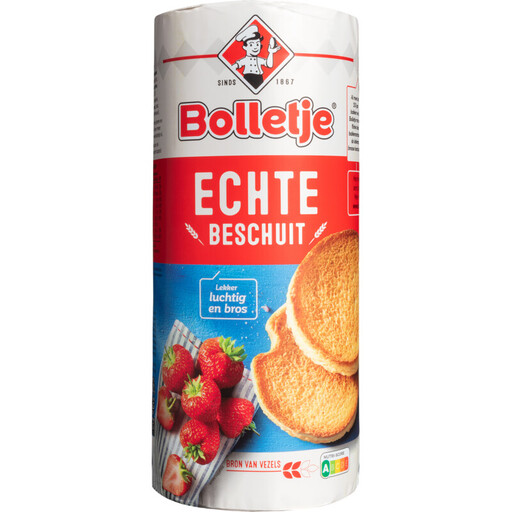 Image unavailable
For anyone looking for classic rusks as a base for drinks and nibbles toppings. The pack contains 13 pieces.
Contains wheat, rye and egg and may contain sesame; check the current packaging if you have allergies.
No, don’t use that term as a size guide for the rusks on your drinks and nibbles board. Compare the varieties you’re considering by size, number of pieces, ingredients and allergens; these details are more useful when making your choice.
Read the allergen information on the current packaging for each variety. The rusks described here list wheat and egg, among other allergens; sesame is also relevant for the PLUS seeded rusks. The Netherlands Food and Consumer Product Safety Authority points out that allergens must be clearly listed on the label.
Seal the packaging well or store the rusks in an airtight tin in a cool, dry, dark place. Also follow the storage advice on the packaging for your variety.
Don’t assume they do. If the type of salt used matters to you, check the ingredients list for the specific rusk variety.