
If presentation matters to you
A larger rusk with visible seeds can form part of the presentation on the plate. Check whether its size suits the amount of topping you plan to serve, too.


Choose a light, classic rusk if you want the topping to take centre stage. If you’d like the rusk itself to add noticeable flavour and texture, look for a larger variety with seeds. Whichever you choose, check the current label: the varieties discussed contain wheat, egg and sesame.
A larger rusk with visible seeds can form part of the presentation on the plate. Check whether its size suits the amount of topping you plan to serve, too.
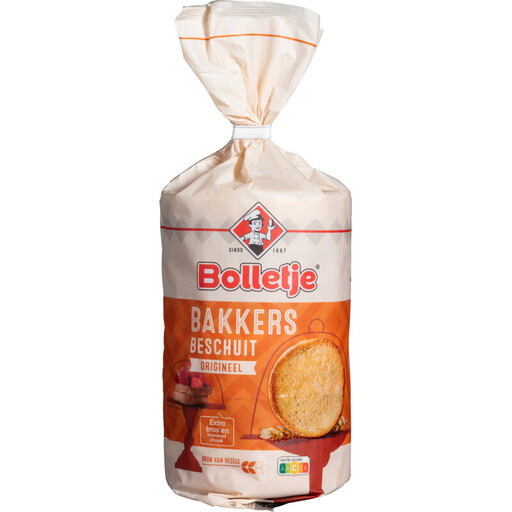
A classic rusk can make a more subtle base for delicate or refined toppings. Bolletje describes its Bakkers Beschuit Origineel as extra crisp and light.
When you’re sharing a meal, it’s important to read the packaging before choosing or topping your rusks. The classic and multiseed varieties discussed contain wheat, egg and sesame.
First decide whether you want the topping or the rusk itself to get the most attention. Then compare the size, ingredients and nutritional information on the packaging.
| What to consider | What to check | Who it matters to |
|---|---|---|
| Presentation and texture | Compare the size and the description of the texture. Choose a rusk to suit the amount and type of topping. | If the topping is the focal point, I want a crisp base that won’t distract from it; for a more substantial-looking plate, a larger rusk may be a good fit. Around 42% of consumers prioritise presentation and texture. |
| Seeds and flavour | Check which seeds are listed in the ingredients; compare fibre per 100 g if that matters to you. | With creamy or savoury toppings, I’d also like the rusk itself to have a distinct texture. For around 33% of consumers, its own flavour and texture are the main priority. |
| Ingredients and allergens | Read the current label, including allergen information and any warnings about possible traces. | If my dinner guest needs to avoid certain ingredients, I want to check the packaging before serving anything. Checking ingredients is the top priority for around 25% of consumers. |
These words don’t tell you which seeds, allergens or nutritional values a rusk contains. The Netherlands Nutrition Centre recommends checking the label when comparing products.
Compare the ingredients, allergens and nutritional information per 100 g, then decide which texture will go best with your topping.
The products discussed show that allergens vary between varieties: sesame is relevant for multiseed rusks, while classic rusks can also contain egg.
Ask about allergies before dinner and check the current packaging, including any warnings about possible traces.
A moist topping can soften the crisp texture before the rusks reach the table.
Prepare the toppings and rusks separately, then assemble them just before serving.
Offers both classic rusks and a multiseed variety, so you can choose how much texture you want from the base.
Offers, among other options, luxury plain rusks with seeds and spelt rusks with seeds.
Jumbo Robuust Beschuit Spelt is worth a look if you’re specifically seeking a spelt variety.
Its rusk range includes plain, wholegrain and multiseed varieties, as well as products from Bolletje.
Lidl lists a 140 g wholegrain rusk as a shop product.
These Joybuy products give you a choice of rusks with seeds, classic rusks and wholegrain varieties. For dinner, choose according to your topping, preferred texture and the ingredients shown on the current packaging.
 No image available
An option when you’d like the rusks themselves to add visible seeds to the dish. Bolletje lists sunflower seeds, linseed, sesame and pumpkin seeds among the ingredients; check the current label if allergens are a concern.
 No image available
A classic base for toppings that deserve to take centre stage. Joybuy describes this variety as light and crisp; check the packaging if you need to assess its ingredients or allergens.
 No image available
A wholegrain option if the grain base is a factor in your choice of topped rusks. Compare the nutritional values and allergens on the packaging with those of the other varieties.
 No image available
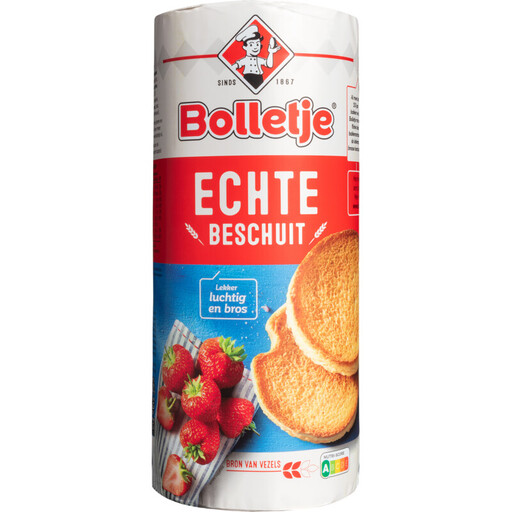
A classic rusk to consider when you want the topping to take centre stage. The pack contains 13 pieces; check the current ingredients and allergen information before serving these at dinner.
 No image available
A wholegrain rusk for anyone who values the grain base more than a pronounced seed mix. The pack contains 13 pieces; read the label for the ingredients, allergens and nutritional information per 100 g.
It depends on what you want to serve: a light rusk lets refined toppings stand out, while a larger variety with seeds adds more noticeable texture of its own. ‘Premium’ isn’t a set quality grade, so compare the ingredients and packaging rather than relying on the name alone.
Check the current label for the variety you’ve chosen, particularly for wheat and other gluten-containing cereals, egg and sesame. These ingredients feature in the products discussed, but the composition varies by rusk. Check for any warnings about possible traces, too.
No. ‘Wholegrain’ and ‘multiseed’ describe different product characteristics. The Netherlands Nutrition Centre explains that wholegrain cereal products generally contain more fibre than comparable products made with white flour. For specific rusks, compare the nutritional values per 100 g on the label.
For the best crisp texture, top the rusks just before serving. Store any unused rusks according to the instructions on the packaging, and keep moist toppings separate until you’re ready to assemble them.