
Campers looking for a simple breakfast to take with them
A pack of plain rusks is a good option if you want a base for toppings. Bear moisture and breakage in mind when packing them.


Choose plain rusks if you mainly want a simple base for toppings. If fibre matters more to you, compare wholemeal options by their fibre content per 100 g. A multigrain or seeded option may suit you if you’re looking for those ingredients and textures, provided the allergens listed on the pack are suitable. Rusks aren’t sliced bread: pack them dry and protect them from damage.
A pack of plain rusks is a good option if you want a base for toppings. Bear moisture and breakage in mind when packing them.
If you’re choosing between plain and wholemeal rusks, compare the fibre content per 100 g in the nutrition information. Albert Heijn lists 9 g of fibre per 100 g for its wholemeal rusks.
Ingredients vary between products. Check the allergen information on the exact pack before buying, even if you’ve bought rusks from the same brand before.
Best for: a simple breakfast with toppings.
Consider: the plain options from Albert Heijn and Jumbo included in this comparison contain less fibre per 100 g than AH Wholemeal Rusks.
Best for: choosing rusks where the stated fibre content is an important factor.
Consider: wholemeal doesn’t necessarily mean suitable for people with allergen restrictions; check the specific product.
Best for: anyone wanting rusks made with a mix of grains, kernels or seeds.
Consider: the Jumbo Robuust Multigrain rusks included in this comparison list barley, rye, sesame and spelt among the allergens.
| What to consider | What to check when buying | Who it matters to |
|---|---|---|
| Taking them with you and storing them | Check that the pack is intact and take a sturdy, sealable container. Keep the rusks dry; Albert Heijn recommends storing them in a sealed container after opening. | When I pack rusks with my camping gear, I want to stop them breaking or getting damp. Around 45% of consumers prioritise practicality when it comes to taking and storing them. |
| Fibre and type of grain | Compare the fibre content per 100 g and check which grains and seeds the product contains. | For breakfast, I want to be able to choose based on fibre content, not just the name of the rusks. For around 33% of consumers, this nutritional information is the most important factor. |
| Allergens and ingredients | Check the current packaging for both listed allergens and information about possible traces. | If I need to avoid certain ingredients, I need to know exactly what’s in this particular product. This check is the top priority for around 22% of consumers. |
Rusks come as individual, crisp pieces. Slice thickness isn’t a useful factor to consider, but pressure and moisture during transport can make a difference.
Choose the type of rusk you want and carry the pack in a sturdy, sealable container.
The wholemeal and multigrain options included in this comparison list allergens. For example, Jumbo’s Robuust Multigrain rusks list wheat, egg and sesame, among other allergens.
Check the allergen information on the exact pack every time you buy, even if the product name looks familiar.
You can’t tell from the name ‘rusk’ whether a particular product contains iodised baker’s salt. The Netherlands Nutrition Centre also states that baker’s salt is not compulsory in bread.
Check the ingredients or ask the manufacturer which type of salt is used in the rusks you’re considering.
A product page doesn’t necessarily tell you what will be in stock when you do your shopping before setting off.
Check availability at the shop where you plan to buy your rusks shortly before you leave.
Bolletje offers Echte Beschuit, as well as wholemeal options and products in different types of packaging.
The supermarket’s own brand offers plain and wholemeal rusks, so you can compare the type and nutritional information.
Jumbo offers a pack of plain rusks and a Robuust Multigrain option made with grains, kernels and seeds.
Lidl offers rusks in plain, wholemeal and multigrain varieties.
The Goud Gebakken range includes plain and wholemeal rusks.
PLUS offers plain rusks and a plain option with seeds.
These Joybuy products give you a choice of wholemeal rusks, seeded rusks and a regular option for toppings. Compare the packaging and allergen information for the product you want to take with you.
 Image unavailable
A wholemeal option for anyone wanting to take rusks along for breakfast on a camping trip.
Pack of 10. Check the current allergen information and protect the rusks from moisture and knocks during transport.
 Image unavailable
A seeded option for anyone looking for rusks with these ingredients for breakfast or a snack.
Pack of 10. Read the allergen information on the pack and protect the crisp rusks when taking them with you.
 Image unavailable
A wholemeal rusk for anyone who chooses based on this type of grain.
Pack of 13. If fibre content is a deciding factor for you, compare the information on the current packaging and check the allergens.
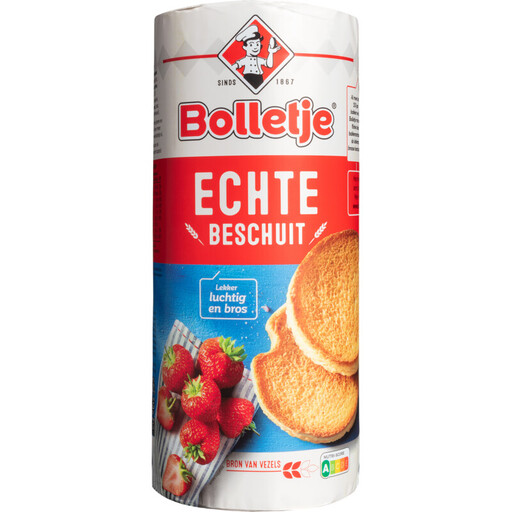 Image unavailable
A regular rusk for a simple breakfast with toppings while camping.
Pack of 13. If you have allergen restrictions, read the label and carry the pack somewhere dry and protected.
Choose plain rusks for a simple base for toppings, compare wholemeal options if fibre matters to you, and go for multigrain if you’re looking for a mix of grains, kernels or seeds. Albert Heijn lists 9 g of fibre per 100 g for AH Wholemeal Rusks, compared with 4.2 g for AH Plain Rusks. Check the allergens on the pack for every option, too.
Keep rusks dry and protect the pack from pressure during transport. Albert Heijn recommends storing them in a sealed container after opening; PLUS advises protecting rusks from moisture and heat.
Only if the allergen information for the exact product is suitable for your needs. The plain and wholemeal products included in this comparison list wheat and egg, among other allergens; Jumbo Robuust Multigrain also lists sesame and several cereals containing gluten.
No, don’t assume they do based on the type of product. The Netherlands Nutrition Centre states that baker’s salt is not compulsory in bread. Check the ingredients for the rusks you’ve chosen or ask the manufacturer which type of salt is used.