
Campers comparing pack sizes
You want to know how many rusks you’re taking, so you compare the weight and number of pieces in different packs.


Take plain rusks if you want a simple base for breakfast or lunch; choose wholemeal or a seeded variety if that particular recipe matters to you. Compare the pack contents and nutritional information for the variety you choose. Whichever you go for, keep your rusks dry and protected from breakages while travelling.
You want to know how many rusks you’re taking, so you compare the weight and number of pieces in different packs.
You’re specifically looking for wholemeal rusks to take on your trip, and check the nutritional information for the variety you choose.
You need to take certain ingredients or allergens into account, so you check the label on the exact pack you’re buying.
Decide how many rusks you want to take on your trip and how you’ll keep the packs dry and intact. Then choose the variety whose ingredients and nutritional information suit your preferences.
| What to consider | What to check when buying | Who it matters to |
|---|---|---|
| Pack contents | Check the pack’s weight and number of pieces. | If I’m packing breakfast for several days of camping, I want to work out how many rusks I’ll have with me. Around 42% of consumers prioritise this. |
| Transport and storage | Check that the pack is intact, and keep the rusks dry and protected from pressure while travelling. | When my camping box is full, I want to stop the rusks from breaking or getting damp. Around 33% of consumers prioritise careful transport and storage. |
| Ingredients | For the variety you choose, check the ingredients, allergens and nutritional information, including fibre per 100 g if that matters to your choice. | If I’m looking for wholemeal or seeded rusks, or need to avoid certain allergens, I want to know what’s in my pack. This is the main concern for around 25% of consumers. |
Packs can differ in both weight and number of rusks. Neither figure on its own tells you how many you’ll be taking on your trip.
Check both details and choose the number of packs to suit your planned meals.
Rusks are brittle. Jumbo also advises storing its plain rusks in a cool, dry and dark place.
Check the pack before you leave and put it in a sturdy, sealable container, away from damp items.
The variety name doesn’t tell you which allergens it contains. For example, PLUS lists wheat, egg and sesame in its seeded rusks.
Read the ingredients list and allergen information on the current pack of the variety you’re buying.
Bolletje offers classic, wholemeal and seeded varieties, making it easy to compare different options from one brand.
Albert Heijn sells AH rusks in plain and wholemeal varieties.
Jumbo stocks its own plain rusks as well as Bolletje varieties.
PLUS stocks plain, wholemeal and seeded rusks, alongside branded varieties.
ALDI lists Goud Gebakken rusks in plain and wholemeal varieties.
Lidl lists a 140 g wholemeal rusk product.
This selection includes seeded rusks, wholemeal rusks and a classic variety. Choose the type you want to take with you, and check the pack for the latest ingredient and allergen information.
 Image unavailable
A seeded rusk variety for campers looking for this type of recipe at breakfast.
The pack contains 10 pieces. If you have an allergy, check the current label; the product information lists wheat, oats, barley and sesame, among other ingredients.
 Image unavailable
A wholemeal variety for anyone who wants to take this type of rusk camping.
The product name states that it contains 10 pieces. Check the information on your chosen pack for ingredients, allergens and nutritional values.
 Image unavailable
A wholemeal variety for a camping breakfast where you want to know in advance how many rusks you’ll have.
The product name states that it contains 13 pieces. The product information lists wheat, gluten-containing cereals and egg; if you have an allergy, check the current pack.
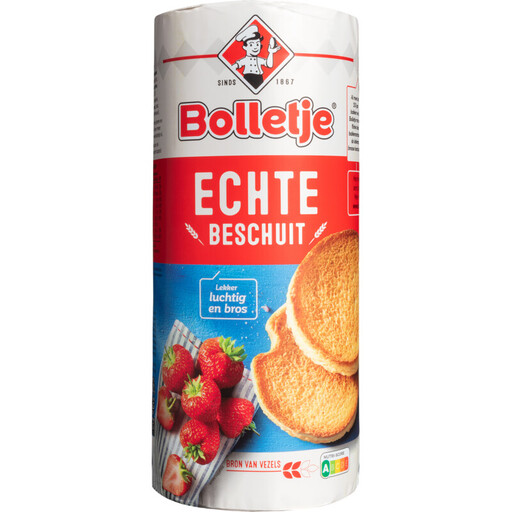 Image unavailable
A classic rusk variety for anyone who isn’t looking for a specific wholemeal or seeded option.
The product name states that it contains 13 pieces. The product information lists wheat, egg and rye, among other ingredients; if you have an allergy, check the current label.
Store rusks in a cool, dry and dark place. Jumbo recommends this for its plain rusks; a sturdy, sealable container also helps protect these brittle rusks from pressure and moisture while travelling.
No, these descriptions don’t necessarily mean the ingredients are the same. Check the ingredients and nutritional information for the variety you choose. For example, compare the fibre per 100 g if that’s important to you.
Read the allergen information on the current pack of the exact product. The Netherlands Food and Consumer Product Safety Authority explains which allergens must be listed on labels; PLUS Plain Rusks, for example, lists wheat and egg.
You can’t assume this based on the product category alone. The Netherlands Nutrition Centre notes that added iodine is found in baker’s salt, among other things; check the ingredients of your chosen rusks if the type of salt used matters to you.