If you’re looking for rusks that can hold generous toppings to enjoy with your coffee, start with varieties described as ‘extra large’ or ‘large, crisp rusks’. These terms don’t tell you how much thicker or sturdier the rusks are. If you prefer a light, classic rusk, Bolletje Bakers Rusks is another option. Check the ingredients, allergens and size on the current packaging for each variety.
Which rusks are right for you?
For generous toppings
If you want to serve cheese, fruit or other generous toppings with your coffee, look for rusks described as ‘extra large’ or ‘large, crisp rusks’. Check the actual size: these descriptions alone tell you nothing about thickness or how much topping they can hold.
For fibre and seeds
If fibre content, wholegrains or a seed mix matter to you, compare the nutritional information per 100 g. Also check the ingredients and allergens for the specific variety you want to buy.
For classic rusks
If you’re mainly after a light, crisp rusk to enjoy with a simple cup of coffee, Bolletje Bakers Rusks Original, described by Bolletje as extra crisp and light, may suit you. Check the packaging if you need to avoid wheat or egg.
What should you look for when choosing?
First decide whether topping-friendly size, ingredients or classic crispness matters most to you. Then compare the relevant varieties on the packaging: a larger surface doesn’t automatically mean a thicker rusk.
| What to consider |
What should you check? |
Who is this important for? |
| Size for toppings |
Look for a size description such as ‘extra large’, and examine the rusk itself if thickness or sturdiness matters. |
If I want to serve generous toppings with coffee, I look for enough surface area without assuming that a large rusk is also sturdier. Around 42% of consumers prioritise a size that’s suitable for toppings. |
| Fibre and ingredients |
Compare fibre per 100 g and check which grains and seeds the variety contains. |
If I’m mainly looking for a rusk with wholegrains or seeds, I choose based on the ingredients rather than the product name alone. Around 33% of consumers say this is their top priority. |
| Classic crispness |
Check how the variety is described, as well as its ingredients and allergens. |
For a simple coffee break, I’d rather have a light, crisp rusk than a seeded variety. This is the top priority for around 25% of consumers. |
Common mistakes
-
Assuming ‘extra large’ means ‘extra thick’
A larger size doesn’t confirm that a rusk is thicker or can hold more toppings.
If you want to add generous toppings, check the size on the packaging or try one pack first with the toppings you plan to serve.
-
Treating all seeded and spelt varieties as the same
Ingredients vary between rusks. According to PLUS product information, its spelt rusks with seeds and kernels contain, among other things, spelt, egg and sesame.
Check the current ingredients and allergen information for the exact variety you’re buying.
-
Choosing based on fibre content alone
A high-fibre multiseed rusk and a light, classic rusk suit different tastes and ways of enjoying them.
First decide which kind of rusk you want to serve with coffee. Then compare the nutritional values and ingredients of suitable varieties.
-
Assuming every rusk contains iodised baker’s salt
According to the Netherlands Nutrition Centre, bakers aren’t required to use baker’s salt. So, seeing ‘salt’ on a label doesn’t confirm that iodised baker’s salt has been used.
If this ingredient matters to your choice, check the ingredients list or ask the manufacturer.
Brands compared
Bolletje
Bolletje offers both classic Bakers Rusks and high-fibre multiseed rusks. These varieties suit different preferences for the coffee table.
- PLUS describes Bolletje High-Fibre Multiseed Rusks as extra large and lists 10 g of fibre per 100 g. Bolletje describes its Bakers Rusks Original as extra crisp and light.
- ‘Extra large’ doesn’t indicate thickness. Bolletje says its High-Fibre Multiseed Rusks and Dark Wholemeal Rusks are vegan, while its Bakers Rusks contain egg. Always check the current packaging for the variety you choose.
PLUS-huismerk
At PLUS, you can compare plain rusks with spelt rusks with seeds and kernels, which PLUS describes as ‘large, crisp rusks’.
- PLUS lists 5.8 g of fibre per 100 g for its spelt variety; the plain variety is sold in a 125 g pack.
- According to PLUS, the spelt variety contains, among other things, wheat or spelt, egg, sesame and barley. Check the allergen information on the packaging before serving it to others.
Albert Heijn-huismerk
Albert Heijn’s own-brand rusk range includes plain, wholemeal, multiseed and spelt varieties.
- The different varieties give you a useful way to compare ingredients and nutritional information side by side.
- If you’re specifically looking for a large or thicker rusk, check the size on the product page or packaging for the individual variety.
Rusks for different preferences
These Joybuy products include a multiseed option for anyone looking for a larger size, plus two other rusk choices for comparing ingredients or wholegrains. Check the size itself if generous toppings are your deciding factor.
 Image unavailable
Bolletje Multiseed Rusks, 10 pieces
An option to consider if you’re looking for a multiseed rusk to top and enjoy with your coffee. PLUS describes Bolletje High-Fibre Multiseed Rusks as extra large and lists 10 g of fibre per 100 g. Check the size and current ingredients if they matter to your choice.
View at Joybuy
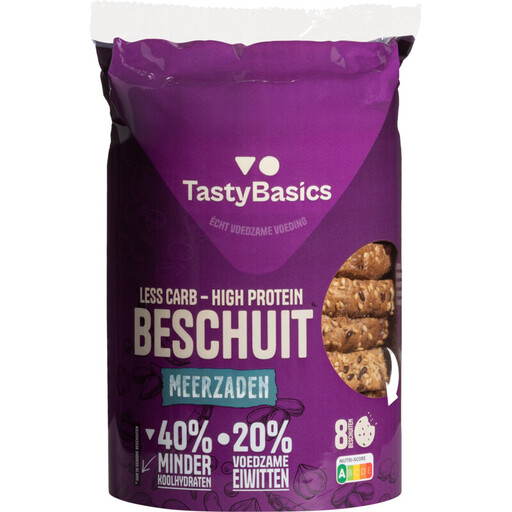 Image unavailable
TastyBasics Multiseed Rusks, 184 g
Worth considering if you’d like a multiseed rusk with your coffee. The pack contains 184 g. Check the size of the rusks before choosing them for generous toppings, and read the current label if you have any allergies.
View at Joybuy
 Image unavailable
Bolletje Wholemeal Rusks, 13 pieces
A wholemeal option for anyone who prefers to focus on the type of grain when choosing rusks to enjoy with coffee. The pack contains 13 pieces. Check the size and ingredients if suitability for toppings or allergens will influence your choice.
View at Joybuy
Frequently asked questions
Does ‘extra large’ mean extra thick or sturdy?
No. ‘Extra large’ describes the size, but doesn’t confirm any particular thickness or how much topping a rusk can hold. Examine the rusk itself or try a pack with the toppings you plan to serve with coffee.
Which allergens should I check in seeded rusks?
It varies by variety. The product information for Bolletje High-Fibre Multiseed Rusks lists wheat and sesame; the information for PLUS Spelt Rusks with Seeds and Kernels lists, among other things, spelt, egg and sesame. Always read the current allergen information on the packaging before serving.
How should I store rusks for a coffee break?
Store rusks in a dry place and seal the pack well after opening. PLUS recommends storing its plain rusks in a cool, dry place away from moisture and heat.
Do all Dutch rusks contain iodised baker’s salt?
No, you can’t assume this is the case for every rusk. The Netherlands Nutrition Centre says that bakers aren’t required to use baker’s salt. Check the ingredients list or ask the manufacturer if this matters to your choice.
Does Bolletje make vegan high-fibre rusks?
Yes. Bolletje says its High-Fibre Multiseed Rusks and High-Fibre Dark Wholemeal Rusks are vegan. Check the current packaging when you buy them; vegan doesn’t mean a product is free from allergens such as wheat or sesame.


