What should you look for when choosing?
First decide whether the rusks are mainly a light accompaniment to coffee and cake, or whether they also need to work as a base for toppings. Then compare the nutritional information and allergens for each variety.
| What to consider |
What to check when buying |
Who it matters to |
| Lightness and presentation |
Check what type of rusk it is and whether the product mentions an egg-rich baker’s recipe. |
If I’m serving rusks alongside cake, I mainly want a light, crisp accompaniment. For around 42% of consumers, presentation is the priority. |
| Grains, seeds and fibre |
Compare fibre per 100 g and check whether the variety actually contains wholemeal grains or seeds. |
If I also eat rusks for breakfast or with generous toppings, I’m more likely to want a sturdier base. Around 33% of consumers prioritise this choice of grains and fibre. |
| Allergens and storage |
Read the allergen information on the pack and check how to store the rusks after opening. |
When ingredients are important for my diet, I want to be able to check the exact label and keep the rusks well sealed. For around 25% of consumers, this reassurance comes first. |
Rusks for different coffee breaks
These products offer a choice of original Bolletje rusks, multiseed and wholemeal varieties, and g'woon plain rusks. Choose according to how you plan to serve them, and check the packaging for ingredients and allergens.
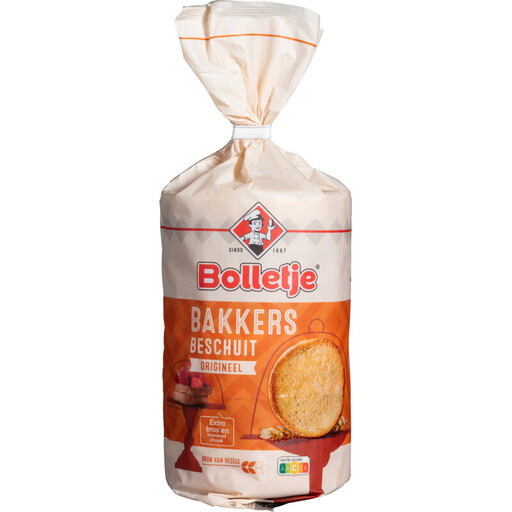 Image unavailable
Bolletje original rusks, 10 pieces
For anyone looking for light, crisp rusks to enjoy with coffee and cake. The ingredients list 2.6% free-range eggs; this variety contains wheat and egg.
View on Joybuy
 Image unavailable
Bolletje multiseed rusks, 10 pieces
For anyone who wants to serve rusks with seeds and kernels, or use them as a base for toppings. If you have allergies, check the current label for wheat and sesame, among other ingredients.
View on Joybuy
 Image unavailable
Bolletje dark wholemeal rusks, 10 pieces
For anyone who’d also like a wholemeal base for toppings at coffee time. Bolletje states that this variety contains 100% wholemeal grains; if you have allergies, check the label for the individual grains and sesame.
View on Joybuy
 Image unavailable
Bolletje wholemeal rusks, 13 pieces
A wholemeal option for anyone who also enjoys rusks at breakfast or with toppings. Compare the nutritional information on this pack with other wholemeal varieties, and check the label if wheat or egg is relevant to you.
View on Joybuy
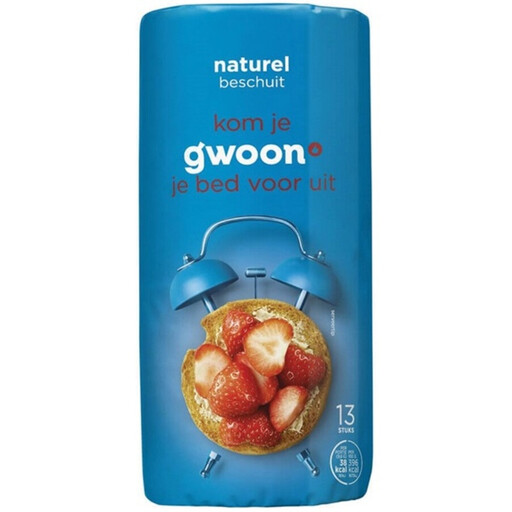 Image unavailable
g'woon plain rusks, 125 g
A plain option for a simple coffee break. Compare its nutritional information with that of seed or wholemeal rusks, and check the label if milk, egg or gluten-containing grains are relevant to you.
View on Joybuy
Frequently asked questions
Does a premium look tell you anything about the nutritional value of rusks?
No. The appearance won’t tell you how much fibre a rusk contains or which grains it’s made with. For the variety you’re considering, compare the nutritional information per 100 g, ingredients and allergens on the pack.
Do all rusks contain iodine from baker’s salt?
You can’t assume that. The Netherlands Nutrition Centre explains that bakers in the Netherlands aren’t required to use baker’s salt, so check whether the specific rusk lists iodised salt.
Which allergens should I check in rusks?
It varies by variety. Wheat and other gluten-containing grains, egg and sesame are relevant to the products discussed here. Read the ingredients and allergen information on the current pack, even if you’ve previously bought a different variety from the same brand.
Do organic, wholemeal and vegan mean the same thing for rusks?
No, these labels describe different qualities. For example, AH Biologisch Volkoren beschuit meerzaden contains egg. Check each feature that matters to you separately on the packaging.
How can I keep rusks crisp after opening?
Seal the packaging tightly after use and follow the storage instructions on the pack. The Bolletje varieties discussed here should be stored in a dry, sealed place.


