
Hosting a larger group
You want to put out enough rusks and chocolate sprinkles without being left with lots of leftovers. The pack size is a practical starting point for your shopping list.


Choose a pack size that suits the number of guests and what you plan to serve alongside the rusks. A larger pack only makes sense if you’ll use what’s left. Choose the flavour afterwards, and if you’re serving guests, always check the latest ingredient and allergen information on the label.
You want to put out enough rusks and chocolate sprinkles without being left with lots of leftovers. The pack size is a practical starting point for your shopping list.
You’d like to use chocolate sprinkles on rusks and perhaps on yoghurt or cupcakes as well. The flavour you want and the amount you’ll need for those extra uses will help you choose the right pack.
You need to be able to check what you’re serving. The De Ruijter and Venz dark chocolate varieties we looked at list milk and soya; check the latest ingredients and any ‘may contain’ warnings for the specific product you choose.
First, work out how many rusks you’ll serve and whether you’ll use the sprinkles as a topping too. Then compare the pack size and flavour, and check the information for guests with specific dietary requirements before serving.
| What to consider | What to check | Who is it important for? |
|---|---|---|
| Quantity | Check the net weight and think about how many rusks and other dishes you want to top. Jumbo lists chocolate sprinkles in packs of 600 g, among other options. | When I’m preparing rusks for a group, I want enough sprinkles without having lots left over. Getting the quantity right is the top priority for around 42% of consumers. |
| Flavour and presentation | Choose the chocolate variety you want to serve and check that the pack size suits how you’ll use it, whether as a topping or a garnish. | For a dessert, I want the sprinkles to complement the finish I’ve chosen, even if I’m only using a small amount. Flavour and presentation are the first consideration for around 25% of consumers. |
| Ingredients and allergens | Read the ingredients list and allergen information on the pack. Check for any ‘may contain’ warnings too, and consider how much you’ll serve. | If a guest needs to avoid an ingredient, I want to know exactly what’s in these sprinkles before serving them. Checking this is the main priority for around 33% of consumers. |
According to Albert Heijn, the De Ruijter and Venz dark chocolate varieties we looked at list milk and soya. So the word ‘dark’ doesn’t tell you which allergens a specific product contains.
Check the pack for the variety you’ve chosen just before serving, and have the ingredient information available for any guests who ask.
The Dutch Commodities Act Decree on the Addition of Micronutrients to Foodstuffs refers to baker’s salt in connection with bread and other baked goods. It does not specify the iodine content of chocolate sprinkles.
Base any questions about the composition of chocolate sprinkles on the information for the specific product, rather than making assumptions based on rusks or bread.
If you’re using chocolate sprinkles on both rusks and a dessert, you’ll need a different amount than if you’re only topping a few rusks.
Decide in advance which dishes you’ll serve and set aside an amount to suit. This will also help you assess the nutritional information per serving.
A brand to consider if you’re looking for chocolate sprinkles for rusks or as a finishing touch for dessert.
A brand to consider if you want to choose a particular chocolate variety for rusks.
A supermarket own-brand to consider if you’re looking for a larger pack of chocolate sprinkles for several guests.
These products come in different flavours and pack sizes for serving with rusks; some can also be used as toppings for other dishes. Choose the quantity to suit what you plan to serve, and check the pack for your chosen variety if you have dietary requirements.
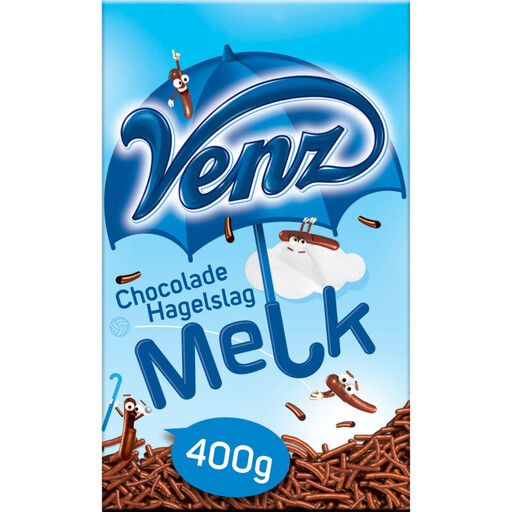 Image unavailable
A milk chocolate option for rusks, in a 400 g pack. If you’re serving guests, check the latest ingredients and allergen information, including details about milk and soya.
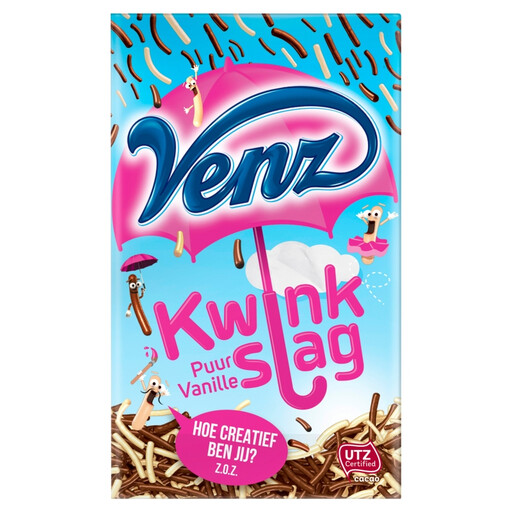 Image unavailable
For anyone who wants to serve rusks with a combination of chocolate and vanilla flavours; the pack contains 400 g. Check the latest allergen information before serving guests, especially details about milk, soya and wheat.
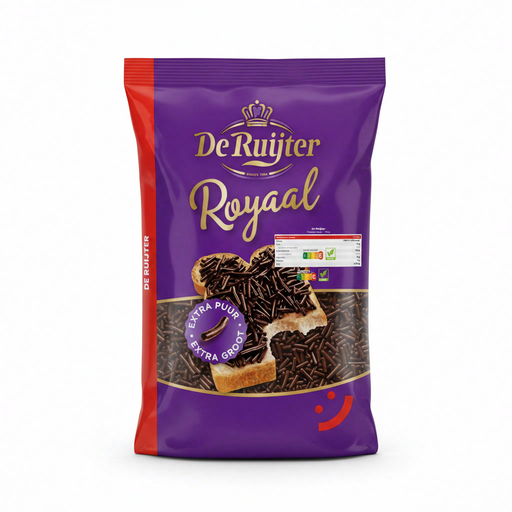 Image unavailable
A 390 g pack for anyone who wants to use chocolate pieces as a sweet topping or finishing touch. When serving, check the latest information about milk, soya and any possible traces of lactose.
 Image unavailable
A 390 g dark chocolate variety for rusks or as a finishing touch for yoghurt and cupcakes, for example. Check the label for milk, soya and any ‘may contain’ warnings before serving guests.
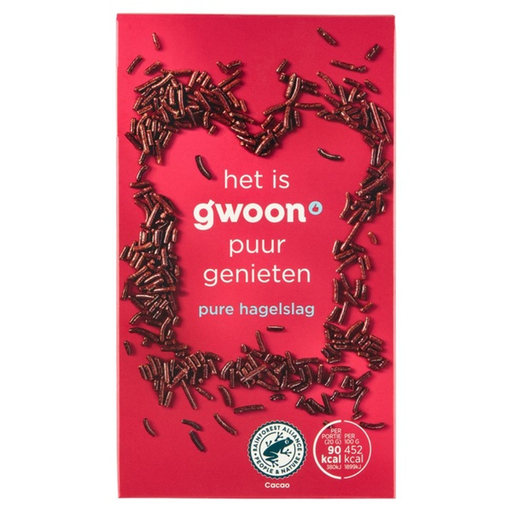 Image unavailable
A 400 g dark chocolate variety for rusks or as a topping for cakes. Check the latest packaging for milk and any ‘may contain’ warning for wheat.
No. Choose the pack size based on the number of rusks and any desserts you want to top. A 600 g pack is practical if you’ll use that amount; if you’re only adding a small finishing touch, leftovers may be more of a concern.
Check the ingredients and allergens for the exact variety you’re serving. According to Albert Heijn, the De Ruijter and Venz dark chocolate varieties we looked at list milk and soya. Check the latest packaging for any ‘may contain’ warnings too.
Check the nutritional information for the product you’ve chosen and decide how much chocolate sprinkle topping to serve per portion. The Netherlands Nutrition Centre gives 9.1 g of sugars for a 15 g portion of dark chocolate sprinkles; don’t use this as the nutritional value for every variety.
No. You can’t work out the iodine content of a particular chocolate sprinkle product from information about baker’s salt in bread or other baked goods. Check the information for the chocolate sprinkles you’ve chosen instead.