
Organisers of a small, celebratory work meeting
If flavour and presentation are your priorities, you can choose between dark, milk or speciality chocolate sprinkles. Put out a modest amount and let colleagues choose how much topping they want.


For a small, celebratory work meeting, you could choose plain or speciality chocolate sprinkles if flavour and presentation are your priorities; serve the rusks and toppings separately. If people have different preferences, offering several toppings and perhaps wholemeal rusks is more practical, as long as you check the ingredients and allergens on the products you buy.
If flavour and presentation are your priorities, you can choose between dark, milk or speciality chocolate sprinkles. Put out a modest amount and let colleagues choose how much topping they want.
A choice of different rusks and toppings is more useful than offering just a speciality chocolate sprinkle. Ask about relevant dietary preferences in advance and keep the packaging available so colleagues can check the ingredients and allergens.
Plan the amount of rusks and toppings separately, based on the expected number of attendees. Check how many rusks are in each pack and how much topping it contains; a large pack is less practical if there’s a lot left over.
First decide whether the rusk is mainly intended as a celebratory treat, an option for people with different dietary preferences or a snack for a large group. Then choose your rusks and toppings, and work out how much to put out.
| What to consider | What to check when buying | Who it matters to |
|---|---|---|
| Flavour and presentation | Compare the type of chocolate topping and its ingredients; if the product mentions cocoa, check exactly what the claim refers to. | For a small treat, I want to offer a distinctive flavour without putting out too much topping. For around 40% of consumers, flavour and presentation would be the main priority. |
| Dietary preferences and allergens | Check the ingredients, allergens and any cross-contamination warnings on the packaging you buy. You could also consider wholemeal rusks or a different topping. | If colleagues have different dietary preferences, I want them to be able to see what’s being served before they choose. A suitable option for the group would come first for around 30% of consumers. |
| Quantity and waste | Compare the expected number of attendees with the number of rusks in each pack and the amount of topping; if possible, keep extra supplies sealed until they’re needed. | For a large or recurring meeting, I want to put out enough without breaking unnecessary rusks or having topping left over. For around 30% of consumers, planning the quantity would be their main concern. |
The description doesn’t tell you which ingredients the chocolate sprinkles contain or how their flavour is made up. A speciality name also doesn’t automatically make a product suitable for colleagues with allergies.
Compare the specific flavour, ingredients and packaging information before deciding what to serve.
A different formulation may also contain sweeteners and allergens. For example, the product page for Céréal Hagelslag Puur warns that excessive consumption may have a laxative effect.
Offer this type of product as an additional option only, and let colleagues check the label for themselves.
Rusks and toppings are generally sold in separate packs. If you only plan for one of them based on attendance, the quantities may not suit the meeting.
Count the rusks in each pack in advance and put out a limited amount to start with; top it up if needed.
Unused supplies and broken rusks can lead to waste.
At a buffet, colleagues need to be able to check the information for the products actually being served. According to the Netherlands Food and Consumer Product Safety Authority, allergen information for prepacked products must be shown on the label.
Check the packaging just before serving and keep it available at the buffet.
For anyone considering a speciality option alongside standard dark or milk chocolate sprinkles.
A brand to explore if you want to compare milk and dark chocolate sprinkles.
A supermarket own-brand option if you want to compare different flavours and pack sizes.
ALDI’s own brand offers different types of chocolate sprinkles for anyone choosing based on flavour and quantity.
A Lidl own brand to consider if standard dark chocolate sprinkles will do.
These products offer different types of chocolate topping for serving with rusks: dark chocolate sprinkles, chocolate flakes, chocolate chunks and milk chocolate sprinkles. Choose the rusks separately and check the labels on both products before serving.
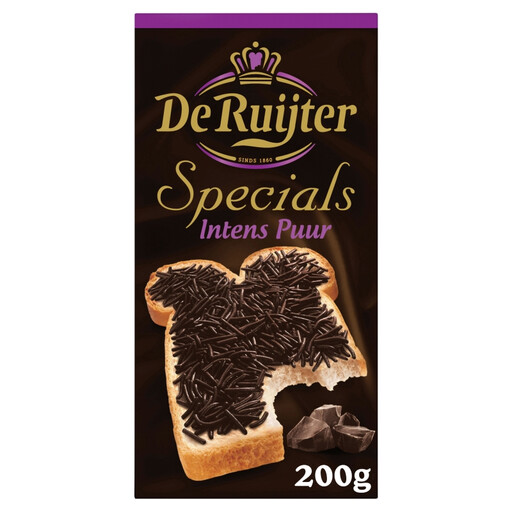 Image unavailable
A dark chocolate sprinkle option for anyone looking to serve a pronounced chocolate flavour at a small meeting.
Pack size: 200 g. Choose the rusks separately and check the allergens on the packaging you buy.
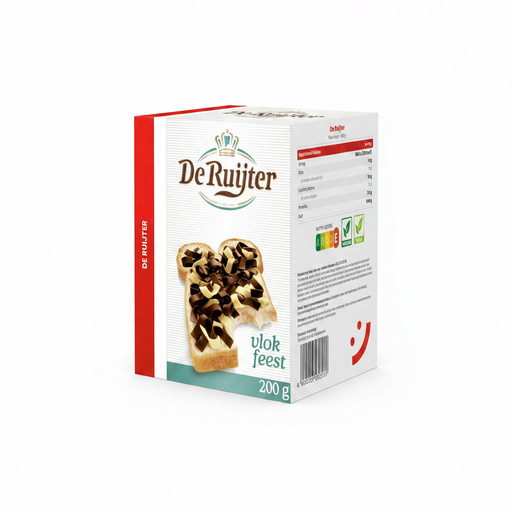 Image unavailable
A flake option to serve alongside standard chocolate sprinkles if you want to offer different types of chocolate topping.
Pack size: 200 g. This pack doesn’t include rusks; read the label before serving.
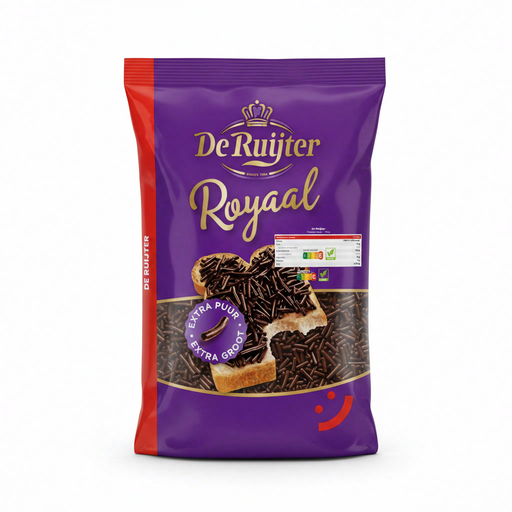 Image unavailable
Chocolate chunks to offer as an alternative topping alongside chocolate sprinkles.
Pack size: 390 g. Work out the quantity of rusks separately and check the product packaging for allergens.
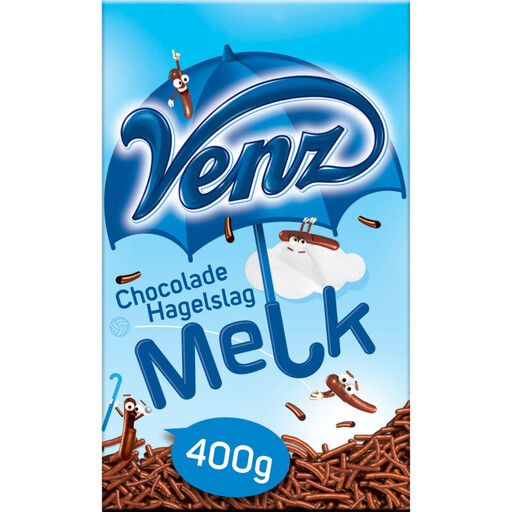 Image unavailable
Milk chocolate sprinkles for anyone looking to offer a milk chocolate option, perhaps alongside a dark variety.
Pack size: 400 g. Rusks are a separate choice; check the label for ingredients and allergens.
Rusks with chocolate sprinkles are better suited to a treat break than as the only option for a longer lunch. The Netherlands Nutrition Centre doesn’t include chocolate sprinkles in its Wheel of Five; offer other dishes or toppings at lunchtime too.
Keep the packaging for both the rusks and the topping available so colleagues can read the information for the products being served. The Netherlands Food and Consumer Product Safety Authority states that allergen information must appear on the label of prepacked products; don’t judge suitability by the product name alone.
Read any warning on the packaging of the product you’re actually serving. According to the Netherlands Food and Consumer Product Safety Authority, new Dutch rules for warnings on labels about possible cross-contamination with allergens have applied since 1 January 2026. Don’t assume a product is suitable for someone with an allergy just because a warning is absent or worded in a particular way.
No. The provision described by the Netherlands Food and Consumer Product Safety Authority concerns iodine compounds added via baker’s salt in bread, bread substitutes and other bakery products, not chocolate sprinkles. It also doesn’t tell you the iodine content of an individual rusk.