For a Mother’s Day breakfast, start by choosing the type of rusk that suits everyone at the table: wholemeal if fibre is a priority, or plain if someone prefers that variety. Then choose the chocolate sprinkles based on taste, sugars and ingredients. Serving two types of rusk gives your guests a choice, but if anyone has an allergy, check each product’s packaging individually.
Who is this choice relevant to?
Breakfast hosts catering for different tastes
If you’re serving rusks with chocolate sprinkles on Mother’s Day, you can offer plain and wholemeal rusks side by side, or let guests choose from different toppings. A mixed topping is different from offering two separate flavours.
Shoppers who are focused on the rusk base
You want to serve chocolate sprinkles, but you’re comparing the fibre content and ingredients of the rusks. In that case, the nutritional information for the variety you choose is more useful than the colour of the packaging alone.
Label-readers checking sugars or allergens
You check the sugars per 100 g, any sweeteners and the allergen information before choosing toppings for several people. If someone has a specific allergy, the details on the exact product packaging matter.
What should you look for when choosing?
Choose the rusks you want to serve first, then compare the toppings. A preference for fibre, a mixed presentation, lower sugars or clear allergen information won’t necessarily lead to the same combination.
| What to consider |
What to check when buying |
Who it matters to |
| Type of rusk and fibre |
Compare fibre per 100 g and read the ingredients of the rusk you choose. |
If the rusk under the sweet topping is the main choice for me, I want to know how much fibre it contains. For around 36% of consumers, the type of rusk would be the top priority. |
| Flavour and presentation |
Check whether a mixed topping includes the varieties you want, or serve two types of rusk or topping separately. |
When not everyone at the table wants the same combination, I’d rather give them a choice. Around 29% of consumers would prioritise flavour and presentation. |
| Sugars in the topping |
Compare sugars and any polyols per 100 g; also read any warnings on the packaging. |
If you want to serve chocolate sprinkles but compare the amount of sugars, you’ll also need to consider the sweeteners used. Lower sugars would be the top priority for around 21% of consumers. |
| Allergens and ingredients |
Check the current ‘contains’ and ‘may contain’ information for both products. |
If someone needs to avoid certain ingredients, I want to check the exact varieties before serving anything. For around 14% of consumers, this check would outweigh the other choices. |
Common mistakes
-
Judging fibre content by the colour of the rusk
The fibre content varies between the products reviewed: according to Albert Heijn, Bolletje Wholemeal Rusks contain 11 g of fibre per 100 g, AH Wholemeal Rusks contain 9 g, and AH Plain Rusks contain 4.2 g. A darker appearance is no substitute for checking the nutritional information.
Compare the fibre per 100 g, then choose a variety that the people at your table will enjoy.
-
Assuming plain chocolate sprinkles are low in sugars
According to Albert Heijn’s product information, De Ruijter Specials Intense Dark contains 43 g of sugars per 100 g; Jumbo lists 65 g per 100 g for Venz Dark. So the word ‘dark’ doesn’t tell you how much sugar a specific product contains.
Compare the nutritional information for the varieties you’re considering. If a topping contains polyols, also read the ingredients and any warning about excessive consumption.
-
Checking allergens only in the chocolate sprinkles
The rusk base can also contain relevant allergens. The varieties reviewed list wheat and egg, among other ingredients; milk and soya are also worth checking in different types of chocolate sprinkles.
Read the current packaging for both the rusks and the topping, including any information about possible cross-contamination.
Brands to consider
These brands give you a starting point for comparing rusks and chocolate sprinkles. The values listed apply to the specific products, not to a brand’s entire range.
Bolletje
Worth considering if you’re looking for a wholemeal rusk base.
- Albert Heijn lists 11 g of fibre per 100 g for Bolletje Wholemeal Rusks and 10 g per 100 g for Bolletje High-Fibre Farmer’s Wholemeal Rusks.
- Check the ingredients of the variety you choose. The high-fibre variety reviewed lists wheat, oats, barley and sesame, among other ingredients.
De Ruijter
A brand to compare if you’re looking for dark chocolate sprinkles.
- Albert Heijn lists at least 52% cocoa solids and 43 g of sugars per 100 g for De Ruijter Specials Intense Dark.
- A higher stated cocoa percentage doesn’t tell you anything about allergens or sugars on its own. Check the information for the exact variety.
Venz
Worth considering if you want to compare dark chocolate sprinkles with other toppings.
- Jumbo lists at least 32% cocoa solids for the Venz Dark variety reviewed.
- For that same variety, Jumbo lists 65 g of sugars per 100 g and information about milk and soya. Check the current label if these ingredients matter to you.
Albert Heijn
The own-brand plain and wholemeal rusks let you compare the bases.
- Albert Heijn lists 9 g of fibre per 100 g for AH Wholemeal Rusks and 4.2 g per 100 g for AH Plain Rusks.
- These figures apply to these two varieties. Check the allergen information for both types of rusk too.
Jumbo
The own brand is worth considering for a mixed chocolate sprinkles topping; its rusk range includes several varieties.
- Jumbo describes Duo Hagelslag Mix as a blend of 50% chocolate sprinkles and 50% white sprinkles.
- Jumbo lists 69.4 g of sugars per 100 g for this mix. Compare the ingredients and nutritional information of each product.
Products for rusks and toppings
These products offer a wholemeal rusk base and chocolate toppings you can choose separately for a Mother’s Day breakfast. The toppings vary in type: flakes and chunks aren’t the same as the Duo Hagelslag Mix reviewed above.
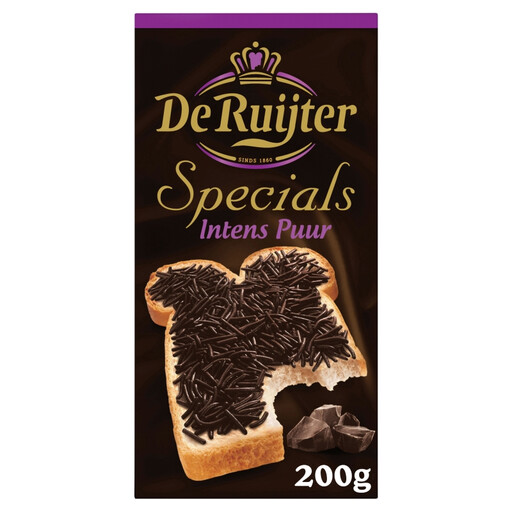 Image unavailable
De Ruijter Intense Pure Chocolate Sprinkles, 200 g
A separate option if you want to serve dark chocolate sprinkles on rusks. Choose the rusks separately and check the sprinkles packaging for sugars and allergens.
View at Joybuy
 Image unavailable
Bolletje Wholemeal Rusks, 13 pieces
A wholemeal base if you want to choose the chocolate sprinkles separately. Albert Heijn lists 11 g of fibre per 100 g for Bolletje Wholemeal Rusks; the sprinkles are sold separately. Check the packaging for allergens.
View at Joybuy
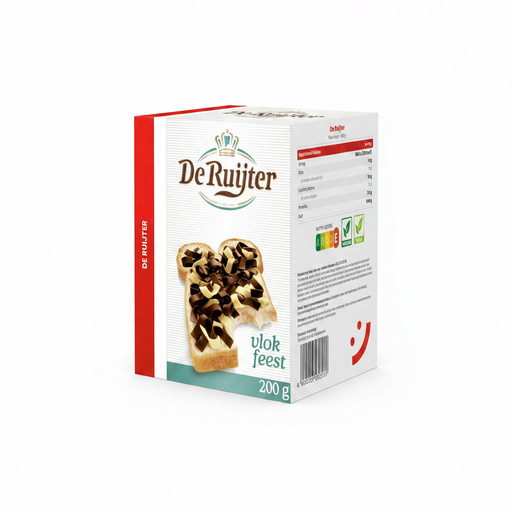 Image unavailable
De Ruijter Flake Feast, 200 g
A topping for anyone who’d like to offer flakes instead of classic chocolate sprinkles. It isn’t a substitute for a specific mix of chocolate sprinkles and white sprinkles. Choose the rusks separately and read the ingredients on the packaging.
View at Joybuy
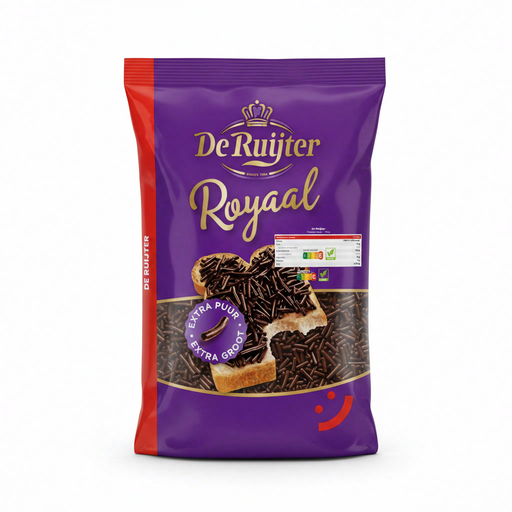 Image unavailable
De Ruijter Chocolate Chunks, 390 g
A separate chocolate topping for anyone who prefers chunks to sprinkles or flakes. Pair it with rusks chosen separately, if you like, and compare the topping’s nutritional information on the packaging.
View at Joybuy
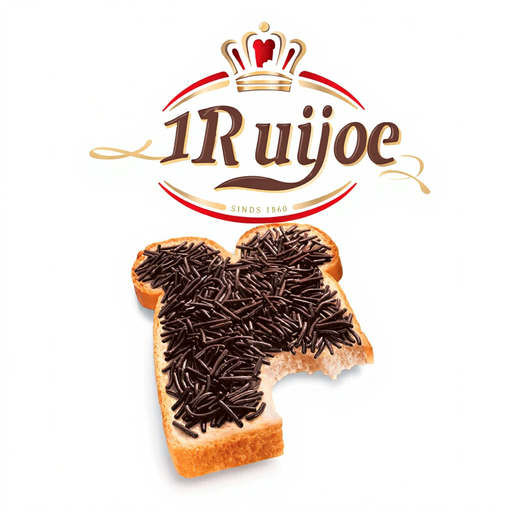 Image unavailable
De Ruijter Hail Chocolate Pure, 390 g
Dark chocolate sprinkles for anyone who wants to choose the topping separately from the rusks. If you’re comparing cocoa content, sugars or allergens, check the current packaging for this variety.
View at Joybuy
Frequently asked questions
Should I choose plain or wholemeal rusks under chocolate sprinkles?
Choose wholemeal if the fibre content of the rusks is your priority; choose plain if that variety better suits the tastes at your table. Albert Heijn lists 9 g of fibre per 100 g for AH Wholemeal Rusks and 4.2 g for AH Plain Rusks. Check the ingredients and allergens for the variety you choose too.
Are dark chocolate sprinkles automatically low in sugars?
No. ‘Dark’ doesn’t tell you how much sugar a specific type of chocolate sprinkles contains. Jumbo lists 65 g of sugars per 100 g for the Venz Dark variety reviewed; Albert Heijn lists 43 g per 100 g for De Ruijter Specials Intense Dark. Compare the labels if sugars matter to you.
How should I store rusks and chocolate sprinkles after opening?
Store rusks in a dry, airtight container and follow the storage instructions on the packaging of the chocolate sprinkles you choose. For the AH rusks reviewed, Albert Heijn recommends storing them in a closed tin after opening. Check the use-by date and any specific instructions for each product too.
Where can I check allergen information if the product page doesn’t provide enough detail?
Read the packaging for the exact rusks and chocolate sprinkles you plan to serve, including the ‘contains’ and ‘may contain’ information. If you can’t check the label, ask the seller about the ingredients of the exact variety before choosing it for someone with an allergy.


