Choose rusks with chocolate sprinkles if you want a dry, crunchy snack and can carry the rusks and topping separately, keeping them dry and protected until you’re ready to eat. Sourdough bread is a better choice if you prefer bread and want to adjust the portions to suit the length of your journey. If you add a highly perishable topping, it needs to be kept chilled. For chocolate sprinkles, also compare the sugar content, allergens and storage instructions for the variety you choose.
Which option works best for you?
Travellers who want a mess-free snack
If you want to prepare portions in advance, pack the rusks and chocolate sprinkles separately. Keep the rusks dry and protect them from breaking. If you add a highly perishable topping, you’ll need to store it differently: Voedingscentrum advises keeping it chilled.
Travellers who prefer sourdough bread
If you’d rather have bread than crisp rusks, plan your portions around the number of days you’ll be travelling. Voedingscentrum lists freezing as a way to store wholemeal sourdough bread.
Label-checkers keeping an eye on sugar or allergens
Compare the nutritional information per 100 g and check the ingredients and allergens in both the bread or rusks and the chocolate sprinkles. These can vary between product varieties.
What should you look for when choosing?
First decide whether you’d prefer crisp rusks or bread on your journey. Then work out how you’ll pack it and which chocolate sprinkles best suit your needs.
| What to consider |
What to check when buying |
Who it matters to |
| Keeping them dry and whole |
Check the storage advice for the rusks and take a sturdy, airtight container. Keep the chocolate sprinkles separate until you’re ready to eat. |
If I want to eat rusks on the road, I don’t want them to get damp or break in my bag. For around 37% of consumers, this practical side of taking them along comes first. |
| Bread texture and portions |
Check the storage advice for your chosen sourdough bread and decide whether to freeze portions before your trip. |
People who prefer bread to rusks want to take enough portions without storing the bread for too long. This is a priority for around 27% of consumers. |
| Sugar and nutritional information |
Compare the sugar per 100 g, the serving size and the exact products behind a claim such as ‘less sugar’. |
I want to choose chocolate sprinkles based on the label and the amount I actually use. Around 27% of consumers give this comparison top priority. |
| Ingredients and allergens |
Check the ingredients, allergens and any ‘may contain’ statements on both current packs. |
If an ingredient or allergen limits my choice, I first need to know whether the exact combination is suitable. This is the main concern for around 9% of consumers. |
Common mistakes on the road
-
Topping the rusks in advance and putting them loose in a bag
Moisture and pressure can make rusks go soft or break. For its wholemeal rusks, Albert Heijn advises storing them in a sealed container in a dry place after opening.
Pack the rusks securely and add the chocolate sprinkles just before eating.
-
Assuming ‘less sugar’ means ‘low in sugar’
Albert Heijn compares its Hagelslag melk minder suiker with AH Melk hagelslag: the stated 30% less sugar applies to that comparison. The variety still contains 43 g of sugars per 100 g.
Check the sugar per 100 g, what it’s being compared with and how much chocolate sprinkles you use per portion.
-
Guessing allergens from the type of product
Ingredients can vary between types of rusks and chocolate sprinkles. For example, the product information for Venz XXL hagelslag wit lists milk, lactose and soya.
Check the label every time you buy, for the exact varieties you plan to eat together.
Brands worth comparing
Bolletje
Compare the different wholemeal rusk varieties if you’re looking for a base to take with you.
- The varieties reviewed differ in size, among other things; the larger farmhouse rusk variety contains seeds, oats and sesame.
- Check the exact variety for wheat, egg and any sesame warnings before pairing it with chocolate sprinkles.
De Ruijter
A brand to compare with other chocolate sprinkles, variety by variety and pack by pack.
- The Hagelfeest variety reviewed combines chocolate sprinkles with a vanilla flavour.
- The product information lists 72 g of sugars per 100 g, as well as milk, soya and wheat. Check the label on the pack you buy.
Venz
Worth considering if you’re specifically looking for white chocolate sprinkles with large pieces.
- The XXL white chocolate sprinkles reviewed are described on the product page as having extra-large pieces.
- The product information lists milk, lactose and soya, and 78 g of sugars per 100 g.
Albert Heijn
A supermarket own brand whose rusks and chocolate sprinkles you can compare as separate products.
- For AH Volkoren beschuit, Albert Heijn advises storing the rusks in a dry place and keeping them in a sealed container after opening.
- According to Albert Heijn’s comparison, AH Hagelslag melk minder suiker contains 30% less sugar than AH Melk hagelslag. The former lists 43 g of sugars per 100 g and contains milk and lactose.
Crunchy alternatives at Joybuy
These crackers and crispbreads are options to consider as a dry base for toppings. They aren’t rusks or sourdough bread, so they’re not like-for-like alternatives if texture is what matters to you. Keep the chocolate sprinkles separate, and check the label and packaging before you set off.
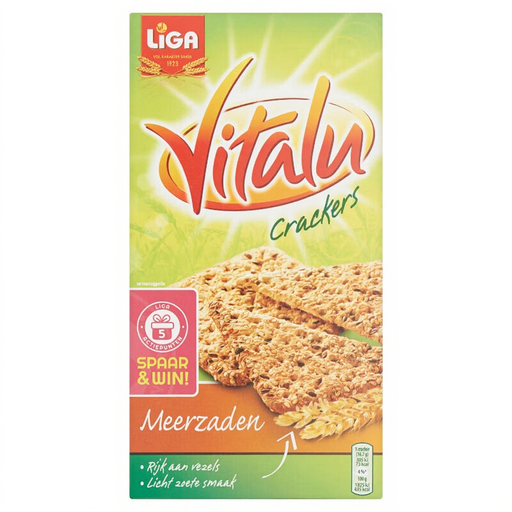 Image unavailable
Lu Vitalu Multiseed crackers, 200 g
A cracker base for adding toppings during a break. These aren’t rusks or sourdough bread; check the allergens on the label and protect the crackers from breaking during your journey.
View at Joybuy
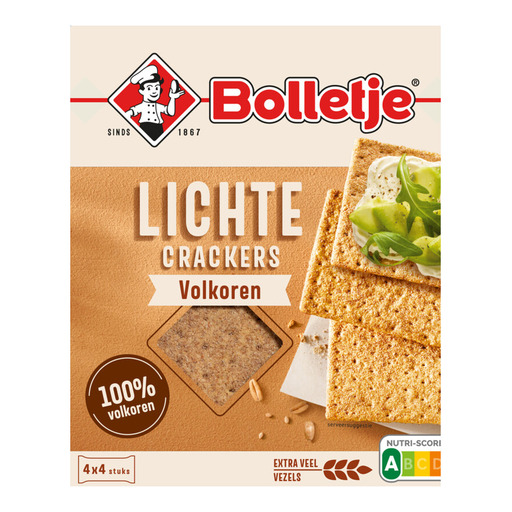 Image unavailable
Bolletje Light Whole Grain crackers, 190 g
For anyone who wants to take a crunchy cracker base for toppings instead of rusks. The pack contains 190 g; check the allergens and use a sturdy container if you’re concerned about them breaking on the way.
View at Joybuy
 Image unavailable
g'woon Wholemeal Crispbread, 375 g
Crispbread for anyone looking for a dry base for toppings, rather than rusks. This variety comes in a 375 g pack; check the ingredients and keep it dry and protected during your journey.
View at Joybuy
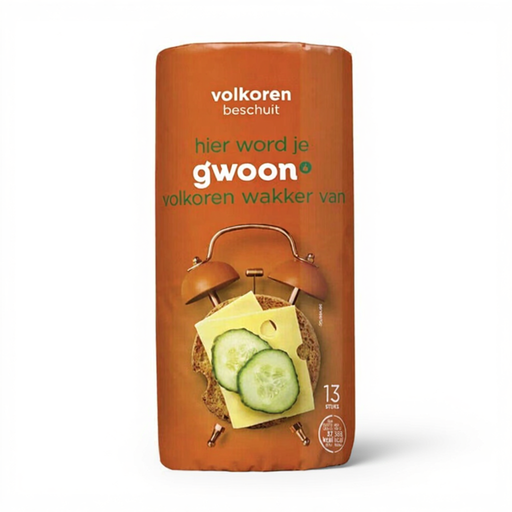 Image unavailable
g'woon Wholegrain Crispbreads, 125 g
A crunchy base for toppings if you want to take a 125 g pack with you. These are crispbreads, not rusks; check the allergen information and make sure they won’t get crushed on the way.
View at Joybuy
Frequently asked questions
How long can I store wholemeal sourdough bread for a road trip?
Voedingscentrum recommends keeping wholemeal sourdough bread in a kitchen cupboard for 2–4 days, or in the freezer for 1–3 months. If you’re preparing bread for several days of travel, freeze it in portions and follow the storage instructions for the bread you buy.
Can I leave rusks with a perishable topping in the car for hours?
Highly perishable toppings need to be kept suitably chilled, even when they’re on rusks. Voedingscentrum advises not leaving highly perishable food out of the fridge for more than two hours. Take a suitable cool bag or choose a combination without highly perishable extras.
Does Dutch sourdough bread always contain iodised baker’s salt?
No. Don’t assume that all sourdough bread is made with iodised baker’s salt. The Netherlands Food and Consumer Product Safety Authority describes the addition of iodine to bread through baker’s salt, at a maximum of 65 mg of iodine per kg of salt. This doesn’t tell you which salt was used in a particular loaf. Check the label or ask the baker.
What should I look for when taking chocolate sprinkles for several days of travel?
Check the sugar per 100 g, your portion size, the allergens and the storage advice for the exact variety of chocolate sprinkles. Voedingscentrum describes chocolate sprinkles as a sweet topping containing sugar and saturated fat; a claim such as ‘less sugar’ doesn’t replace the nutritional information on the pack.


