What should you look for when choosing?
First decide which grain base and texture your toddler will eat. Then choose the topping, and check the labels of the individual products before serving.
| What to consider |
What to check when buying |
Who it matters to |
| Wholemeal base |
Check whether the base is wholemeal and compare the fibre listed per 100 g. Assess the chocolate sprinkles separately as a topping. |
If this breakfast is a regular choice, I want the grain base to matter more than the sweet topping. This is the main concern for around 50% of consumers. |
| Texture and portion |
Choose a type of rusk and pack size that lets you try a small portion; keep another wholemeal breakfast option handy if needed. |
My toddler sometimes leaves crunchy food, so I want to see whether they like the texture first. Acceptance is the priority for around 30% of consumers. |
| Allergens and labelling |
Read the current labels on both the rusks and the chocolate sprinkles, including ingredients, allergens and any warnings about possible cross-contamination. |
Before serving this breakfast at home or packing it for nursery, I need to be able to check whether both products are suitable for the allergens we need to avoid. Checking labels is the main concern for around 20% of consumers. |
Products for a grain base and an alternative
The first two products are wholemeal rusks that you can top as you like. The third is wholemeal crispbread, not rusks; the granola is a separate breakfast alternative if bread or rusks don’t appeal. For each product, check the current nutritional information and allergens, and choose a portion that’s suitable for your toddler.
 Image unavailable
Bolletje Dark Whole Wheat Rusk, 10 stuks
A wholemeal rusk base if your toddler enjoys rusks and you want to choose the topping yourself.
The pack contains 10 pieces. Check the fibre per 100 g and allergens on the current label; if you’re unsure, try it first to see whether your toddler likes the firm texture.
View at Joybuy
 Image unavailable
Bolletje Wholegrain Rusk, 13 stuks
Another wholemeal rusk base to try in a small portion if your child likes crunchy food.
The pack contains 13 pieces. Compare fibre figures using the same basis in the nutrition table, and check the current label for allergens.
View at Joybuy
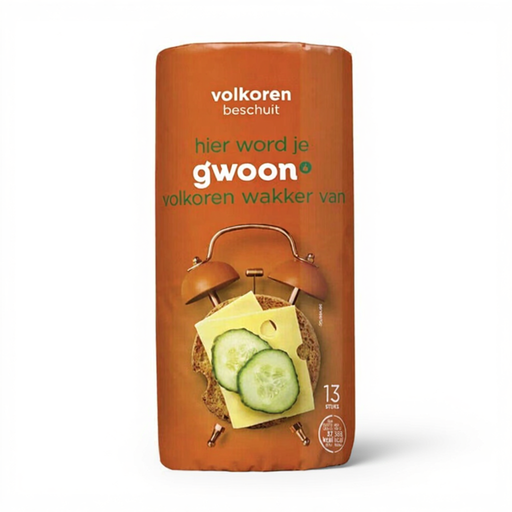 Image unavailable
g'woon Wholegrain Crispbreads, 125 g
A crunchy wholemeal base to consider if you’d like to try something different from rusks for your toppings.
This is crispbread in a 125 g pack, not rusks. Check the nutritional values per 100 g and the allergens on the packaging before serving it to your toddler.
View at Joybuy
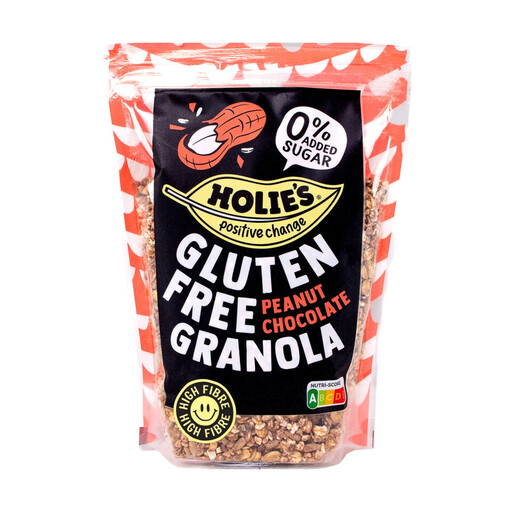 Image unavailable
Holie's Granola Glutenfree Peanut Chocolate, 330 g
A different breakfast option to consider if your toddler leaves bread or rusks; granola isn’t the same as rusks with chocolate sprinkles.
The pack contains 330 g. Before serving, check the ingredients and allergens on the current label, and make sure the texture and portion are suitable for your toddler. If you have a dietary requirement, don’t rely on the product name alone.
View at Joybuy
Frequently asked questions
Are rusks with chocolate sprinkles a suitable everyday breakfast for a toddler?
Don’t make them the regular main choice for breakfast. The Netherlands Nutrition Centre recommends wholemeal and brown bread for children aged 1 to 3, and describes chocolate sprinkles as a fun but not very nutritious topping. Choose the grain base carefully and, if you like, use chocolate sprinkles for variety.
Do rusks with chocolate sprinkles always contain gluten?
You can’t say that for every combination: rusks and chocolate sprinkles each have their own ingredients. For example, AH Wholemeal Rusks list cereals containing gluten and wheat. If you need to avoid gluten, check the current packaging of both products separately, including any warnings about possible cross-contamination.
Does every bread or rusk product provide iodine through baker’s salt?
Don’t assume this is true of every individual product. According to the Netherlands Nutrition Centre, bread made with iodised baker’s salt is an important source of iodine in the Netherlands. Check the ingredients for the specific grain base; this tells you nothing about the nutritional value of the chocolate sprinkles.
How should you store opened rusks and chocolate sprinkles?
Follow the storage instructions on each product’s packaging. Albert Heijn recommends keeping its wholemeal rusks in a cool, dry, dark place and storing them in a sealed tin after opening; the chocolate sprinkle products checked say to store in a cool, dry place.


