
Office buyer on a limited budget
Wants to buy rusks and chocolate sprinkles for a shared cupboard, and compares pack sizes by quantity and expected use.


For a shared office cupboard, a larger pack of chocolate sprinkles is practical if the team will use it up and you can keep it dry and sealed. Choose a particular brand or flavour if that’s what your colleagues prefer. Whenever you pair chocolate sprinkles with rusks, check both labels, especially when the food is shared.
Wants to buy rusks and chocolate sprinkles for a shared cupboard, and compares pack sizes by quantity and expected use.
Prefers a particular milk or dark chocolate variety, or specifically asks for De Ruijter or Venz.
Wants to make the labels for the rusks and chocolate sprinkles available to colleagues and needs to store both products appropriately.
First, work out which chocolate sprinkles the team will actually use and what pack size suits your supplies. Then check the information on both the chocolate sprinkles and rusk packaging.
| What to consider | What to check when buying | Who it matters to |
|---|---|---|
| Budget and pack size | Compare the same type of chocolate sprinkles in equal quantities; also check the weight of the rusks and chocolate sprinkles separately. | If I regularly buy supplies for the whole office, I want to be able to compare packs on a like-for-like basis. For around 36% of consumers, budget is the top priority. |
| Supplies and storage | Choose a size the team will use up and follow the storage advice on both packs. | A large pack is only useful to me if its contents will stay usable between shopping trips; around 29% of consumers prioritise this convenience when stocking up. |
| Labels and nutritional information | Read the ingredients and allergen information for both products; also check the nutritional information if you offer the combination regularly. | With shared supplies, I want colleagues to be able to check what’s in their rusks and topping. For around 21% of consumers, this is the main reason to choose carefully. |
| Brand and flavour | Ask which milk or dark chocolate variety people prefer, then compare the labels for those exact varieties. | If my team asks for a particular flavour or a familiar brand, I don’t want to put out a different variety. For around 14% of consumers, this preference matters most. |
The chocolate sprinkle packs mentioned range from 390 g to 600 g. Pack size alone doesn’t show how different varieties compare on a like-for-like basis.
Compare the exact flavours in equal quantities, and remember to treat rusks as a separate part of your supplies.
According to the Voedingscentrum, chocolate sprinkles should be sealed well and stored in a dry place after opening.
Choose a pack the team can use up, seal it well after use and store it somewhere dry.
Ingredients and allergens can vary from one product to another. The Netherlands Food and Consumer Product Safety Authority explains how allergens are listed on the labels of prepacked foods.
Check the current packaging for both the rusks and chocolate sprinkles, and keep it available when the food is shared.
The Voedingscentrum does not include chocolate sprinkles in the Wheel of Five and highlights their sugar and saturated fat content.
Give colleagues other topping or snack options too, without judging a specific product based on a single nutritional value.
Jumbo lists its own milk and dark chocolate sprinkles in 600 g packs. This size could suit an office that uses chocolate sprinkles regularly.
ALDI lists Kiekeboe chocolate sprinkles in milk and dark chocolate varieties, both in 600 g packs.
Albert Heijn lists AH dark chocolate sprinkles in a 400 g pack.
De Ruijter is worth considering if colleagues specifically want this brand’s milk or dark chocolate variety.
Venz is an option if the team asks for a particular milk, dark chocolate, XXL or Rimboe variety.
Lidl lists Mister Choc dark chocolate sprinkles in a 600 g pack as a Lidl product.
These Joybuy products are milk and dark chocolate varieties of sprinkles to serve with rusks. Choose a pack size and flavour to suit the team; buy rusks separately and check the labels on both products.
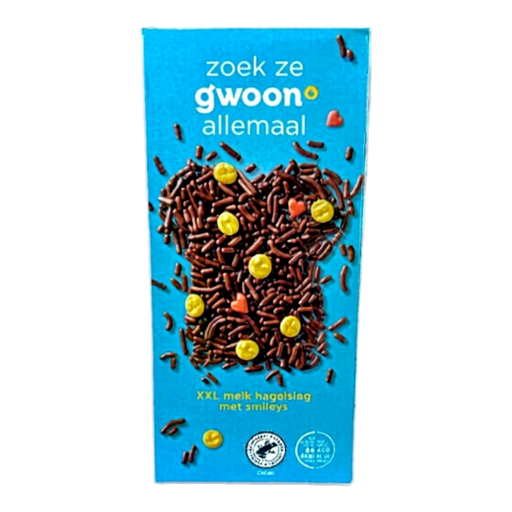 Image unavailable
For an office that wants to serve milk chocolate sprinkles with smiley faces on rusks.
550 g pack. If sharing, check the allergens on the pack and seal the sprinkles well after opening.
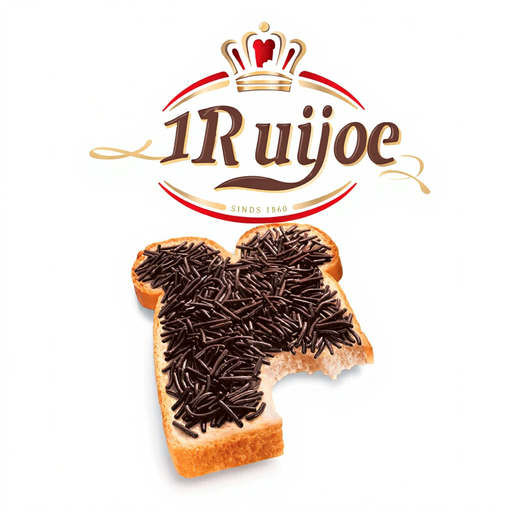 Image unavailable
For a team that specifically wants De Ruijter dark chocolate sprinkles on its rusks.
390 g pack. Check the allergens for this variety and store the contents in a dry, sealed place after opening.
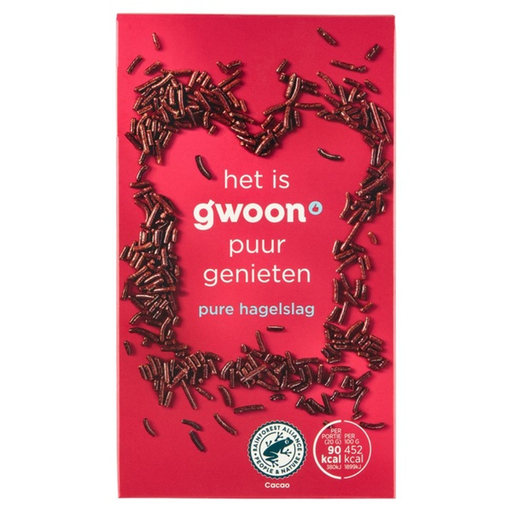 Image unavailable
For an office cupboard where dark chocolate sprinkles are preferred.
400 g pack. Check the label for this variety before putting it out for everyone to share.
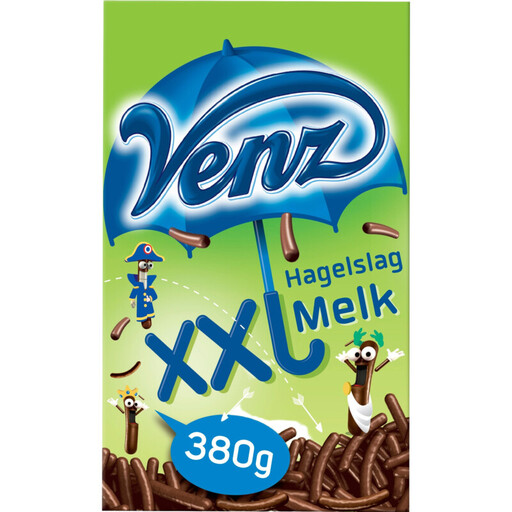 Image unavailable
For colleagues who want Venz milk chocolate sprinkles as a topping for their rusks.
380 g pack. Check the allergens on the packaging and consider how much the team will use when choosing a pack size.
Compare the same type of chocolate sprinkles in equal quantities, then choose a size the team is likely to use up. Rusks are a separate product, so factor in how much you’ll use and check their label when choosing supplies for the office.
Seal the pack well and store it somewhere dry. The Voedingscentrum recommends keeping opened chocolate sprinkles in a kitchen cupboard for up to one year; also follow the use-by date and instructions on the packaging.
Keep the current packaging for both the rusks and chocolate sprinkles available so colleagues can read the ingredients and allergen information. The Netherlands Food and Consumer Product Safety Authority explains the mandatory allergen labelling for prepacked foods; the product name alone is no substitute.
Don’t automatically make chocolate sprinkles the only standard option. The Voedingscentrum does not include them in the Wheel of Five and highlights their sugar and saturated fat content; you could also offer other toppings or snacks.
Don’t assume they do. The Voedingscentrum says that using baker’s salt in bread is not compulsory. Check the ingredients of the specific rusk product rather than assuming it contains baker’s salt based on the product category.