
Families looking for seeded rusks
If you want a crunchy rusk base with seeds for the autumn half-term, you can compare multiseed varieties by ingredients and fibre content. Also check whether sesame and gluten are a concern for anyone eating them.


For rusks with chocolate sprinkles that include seeds and fibre, start by choosing a wholemeal or multiseed rusk and comparing the nutritional information per 100 g. Then choose your chocolate sprinkles based on taste and ingredients. Check the labels on both products: seeds can add allergens such as sesame, and the rusk base tells you nothing about the ingredients in the topping.
If you want a crunchy rusk base with seeds for the autumn half-term, you can compare multiseed varieties by ingredients and fibre content. Also check whether sesame and gluten are a concern for anyone eating them.
Rusks and chocolate sprinkles each have their own ingredients list. Check both packs, including for sesame, gluten, egg, milk and soya if any of these ingredients are relevant to your choice.
If the topping is what gives the snack its flavour, it helps to compare chocolate sprinkle varieties by ingredients, cocoa percentage, sugars per 100 g and the stated serving size.
For rusks with chocolate sprinkles, start with a base that suits your preferences for seeds and fibre, and check the ingredients in both products. Then compare the toppings for taste and nutritional information.
| What to consider | What to check when buying | Who it matters to |
|---|---|---|
| Seeds and fibre in the base | Check which seeds the rusks contain and compare the fibre content per 100 g. | If I want a crunchy seeded rusk, I’ll choose the base based on its ingredients and fibre content; around 33% of consumers prioritise this. |
| Allergens in both products | Check the ingredients and allergen information on the current packaging of both products, including any may-contain warnings. | If someone with an allergy is sharing the snack, I want to know what both the rusks and the chocolate sprinkles contain. Around 27% of consumers prioritise this check. |
| Taste and sugars in the topping | Compare milk and dark chocolate sprinkles by ingredients and sugars per 100 g; also check the stated serving size. | I want to choose between milk and dark without overlooking the nutritional information; the topping is the main consideration for around 20% of consumers. |
| Mix and match | Check whether the rusks and chocolate sprinkles you want are available separately. | For an autumn half-term snack, I don’t want to be limited to a ready-made combination; around 20% of consumers prioritise putting it together themselves. |
Albert Heijn says its multiseed rusks contain, among other things, sesame, gluten and egg. The ingredients can vary between other varieties.
If you’re serving a group, check the current allergen information for both the rusks and the chocolate sprinkles before choosing a combination.
The fibre and seeds in the rusks don’t change the nutritional value of the chocolate sprinkles. Check the topping separately for its ingredients and sugar content.
Compare the nutritional information per 100 g for different types of rusks, and do the same separately for the chocolate sprinkles.
According to the Netherlands Nutrition Centre, baker’s salt contains iodine, but bakers aren’t required to use it. So the product category alone doesn’t tell you whether a product contains iodine.
If baker’s salt matters to your choice, check the label or ask the baker which salt was used.
A range that lets you choose multiseed rusks and chocolate sprinkles separately.
A rusk brand with a dark wholemeal variety sprinkled with seeds.
A brand to consider if you want dark chocolate sprinkles on a rusk of your choice.
A brand of milk chocolate sprinkles for anyone who wants to factor in the flavour of the topping.
A range where you can compare rusks and chocolate sprinkles as separate products.
These products let you put together an autumn half-term snack from two separate parts: a multiseed rusk base and chocolate sprinkles for the topping. Choose one product from each category to create your preferred combination, and check the labels on both.
 No image available
A seeded rusk base for anyone who wants to add their own chocolate sprinkles. The pack contains 10 rusks; choose your topping separately and check the current label if you have any allergies.
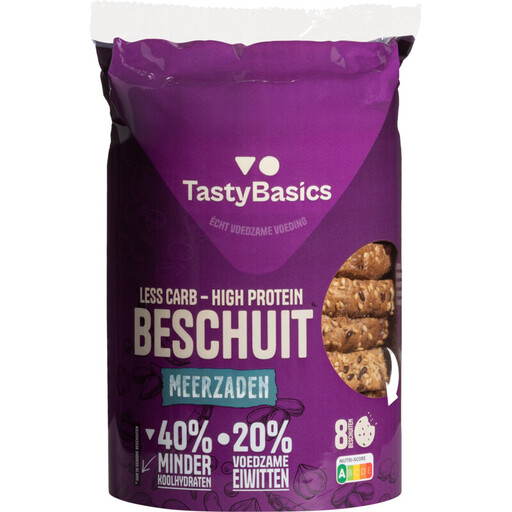 No image available
Multiseed rusks to pair with a topping of your choice. The pack contains 184 g; compare the nutritional information and check the label if ingredients or allergens are important to your decision.
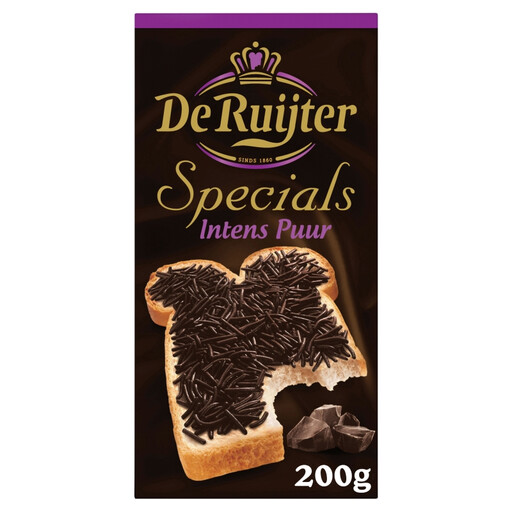 No image available
Dark chocolate sprinkles for anyone who wants to pair a rusk base of their choice with a chocolate topping. The pack contains 200 g; choose your rusks separately.
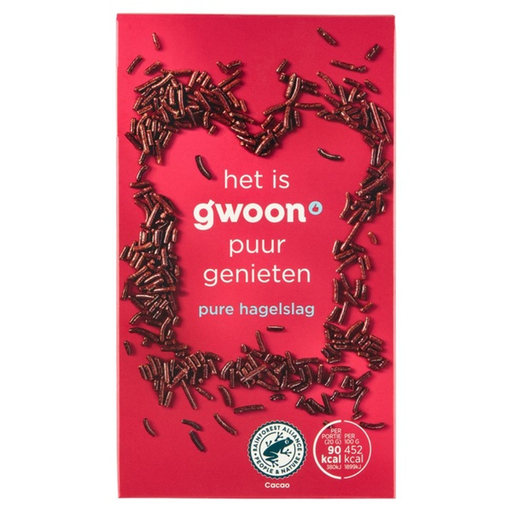 No image available
Dark chocolate sprinkles to pair with rusks of your choice. The pack contains 400 g; when choosing a topping, compare the ingredients and nutritional information per 100 g.
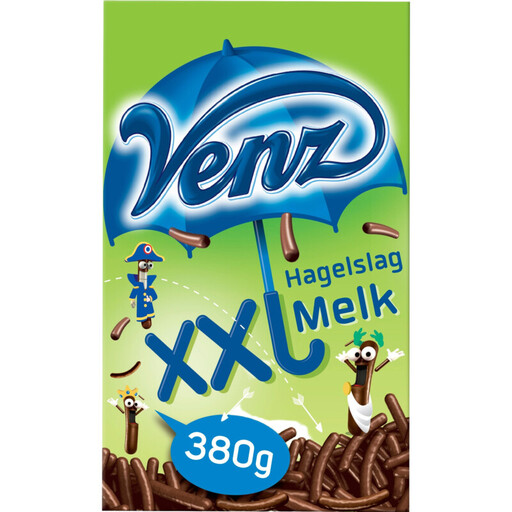 No image available
Milk chocolate sprinkles to pair with rusks chosen separately. The pack contains 380 g; check the label on the rusk base too when putting your combination together.
No. To compare them, check the fibre content per 100 g on the packs of the rusk varieties you’re considering. Jumbo states that Bolletje Vezelrijk Donker Volkoren rusks contain 10 g of fibre per 100 g; the words “multiseed” alone don’t tell you how much fibre another variety contains.
Check the current packaging for both the rusks and the chocolate sprinkles. The rusk varieties described list, among other things, cereals containing gluten, sesame or egg; the chocolate sprinkle varieties described include milk and soya. The relevant allergen information for your combination depends on the products you choose.
You can’t assume that all rusks are made with baker’s salt. The Netherlands Nutrition Centre explains that baker’s salt contains iodine, but bakers aren’t required to use it. Check the label or ask the baker if this matters to your choice of product.
Follow the storage instructions and use-by or best-before date on the packaging for each product. The product information described recommends storing them in a cool, dry, dark place; reseal opened packs as directed on the label.