
Brunch planners on a tight budget
You’re shopping for several guests and want to know how many rusks and how much chocolate sprinkles you’ll need, without ending up with lots left over.


For a budget-conscious Easter brunch, choose your rusks and chocolate sprinkles based on the number of guests and how much you’ll actually use from each pack. A larger pack makes sense if you’ll use the rest later, too. Also check the allergens and nutritional information for each product you choose.
You’re shopping for several guests and want to know how many rusks and how much chocolate sprinkles you’ll need, without ending up with lots left over.
You’re setting a small table and would rather choose a pack you can still use after Easter than buy more than you need.
You want to know the allergens and nutritional values of both the rusks and the topping, perhaps because of your guests’ needs or a preference for wholemeal rusks.
First work out how much you’ll serve and what pack size suits your plans. Then compare the labels on the specific rusk and chocolate sprinkle varieties you’re considering.
| What to consider | What to check when buying | Who it matters to |
|---|---|---|
| Amount per guest | Count the rusks in each pack and decide how much chocolate sprinkles you want to serve on each one. | If I’m setting the table for several guests, I want to buy enough without getting far too much. For around 33% of consumers, the amount per guest is the top priority. |
| Leftovers | Compare the net weight, best-before date and storage instructions on both packs. | For a small brunch, I’d rather choose an amount I can still use after Easter. Around 20% of consumers prioritise a suitable pack size. |
| Allergens and ingredients | Check the allergen information on both packs, including any warnings about possible cross-contamination. | If a guest has a food allergy, I need to check the exact products before serving them. For around 20% of consumers, this is their main concern. |
| Sugars and fibre | Compare the nutritional information per 100 g and per serving, and look at the rusks and topping separately. | I want to know how much chocolate sprinkles I’m serving and whether my choice of rusks suits my preference for fibre. For around 27% of consumers, this nutritional consideration matters most. |
A 600 g pack of chocolate sprinkles may be more than you’ll use for a small Easter brunch. The same goes for rusks if you have a lot left afterwards.
Choose amounts to suit your guests, and consider whether you’ll use the rest after Easter. Also check the best-before date and storage instructions.
The word ‘dark’ doesn’t tell you how much sugar a particular variety contains per serving. The Netherlands Nutrition Centre gives an average of 9.4 g of sugars per 15 g of chocolate sprinkles.
Compare the nutritional information on the packs themselves and decide how much you want to serve.
Rusks and chocolate sprinkles each have their own ingredients. For example, Jumbo’s plain rusks list wheat and egg, while the product information for De Ruijter Dark Chocolate Sprinkles 390 g lists milk and soya.
Before serving, read the current label on both packs, including any warnings about possible cross-contamination.
The own-label range includes plain rusks in packs of 13 and chocolate sprinkles in 600 g packs.
De Ruijter offers chocolate sprinkles in milk and dark varieties, among others, and in different pack sizes.
Venz offers 400 g packs of milk and dark chocolate sprinkles, as well as other flavours.
Bolletje wholemeal rusks are worth considering if you want to compare the fibre content of your rusk base.
Kiekeboe Fruit Sprinkles from ALDI are a colourful topping option in a 400 g pack.
These products let you choose your rusks and topping separately. Work out how much of each you need, and check the labels on both packs if you’re serving them together.
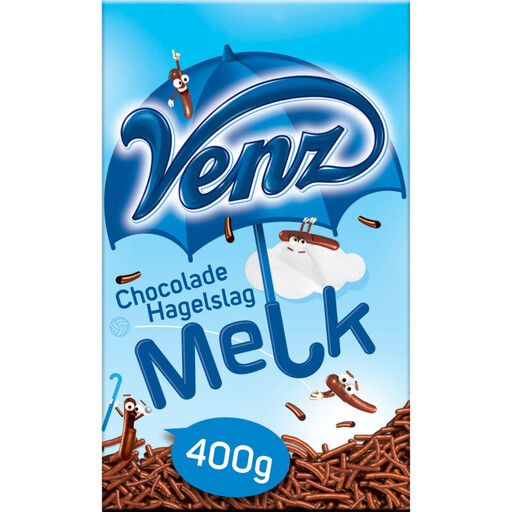 No image available
A milk chocolate option for serving with rusks. The pack contains 400 g, so choose it to suit how much you’re planning to use.
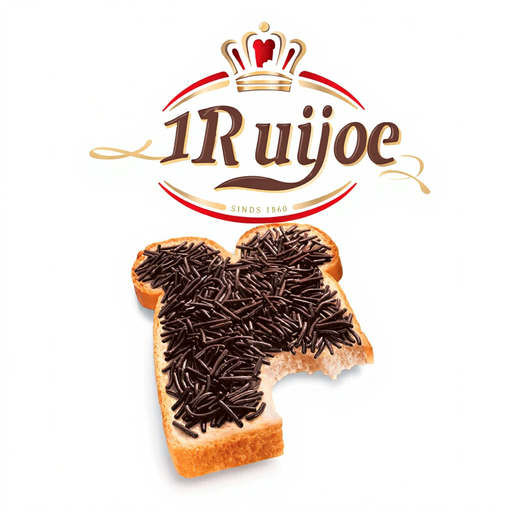 No image available
A dark chocolate option if you’d like to serve this flavour with your rusks. The pack contains 390 g; the product information lists milk and soya as allergens.
 No image available
A wholemeal option if you’re considering fibre when choosing your rusks. The pack contains 13 pieces, and the product information lists 11 g of fibre per 100 g, as well as wheat, egg and sesame as allergens.
 No image available
A dark chocolate option in a 200 g pack, which you can weigh up against the number of servings you’re planning. Check the ingredients and allergens on the pack before serving.
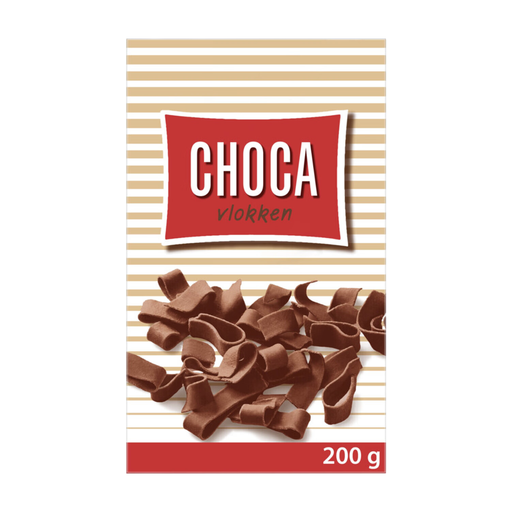 No image available
A 200 g pack for anyone who’d like to use flakes as a topping. Choca Flakes aren’t traditional chocolate sprinkles, so check that they’re the kind of topping you’re looking for at brunch.
The Netherlands Nutrition Centre gives an average of 9.4 g of sugars per 15 g of chocolate sprinkles. The amount on your rusk depends on the variety you choose and how much you use, so compare the nutritional information per serving.
You can only assess this for each combination: check the current allergen information for both the rusks and the chocolate sprinkles. For example, Jumbo plain rusks list wheat and egg, while the product information for De Ruijter Dark Chocolate Sprinkles 390 g lists milk and soya. Also check for warnings about possible cross-contamination.
Follow the storage instructions on both packs and seal them well after use. The product information for Jumbo plain rusks recommends a cool, dry and dark place; for De Ruijter Dark Chocolate Sprinkles, Joybuy recommends a cool, dry place away from direct sunlight.
No, you shouldn’t assume this is the case for every type of rusk. Check the ingredients of the variety you choose, or ask the manufacturer which salt was used if you’d like to know.