What should you look for when choosing?
When choosing rusks with chocolate sprinkles for a tea-time treat with children, first decide what matters most to you: ease of handling, allergens, ingredients or a simple plain variety. Whatever you choose, check the chocolate sprinkles’ label too.
| What to consider |
What to check when buying |
Who is this important to? |
| How easy it is to handle with a topping |
Check that the rusks in the packet are whole. At home, try one with the amount of butter and chocolate sprinkles you plan to use. |
If my child holds the rusk themselves, I want to know whether it stays whole with the topping on. Ease of handling would be the first consideration for around 36% of these consumers. |
| Allergens and policies |
Read the ingredients and allergen information on both packets, including any ‘may contain’ information. Ask the school or childcare setting about its policy. |
When packing food for school, I want to check first that the rusk and chocolate sprinkles meet the requirements for my child. Around 29% of consumers would prioritise checking for allergens. |
| Wholemeal, fibre and ingredients |
Check whether the rusk you’ve chosen contains whole grains and, if needed, compare the stated amount of fibre per 100 g or per portion. |
I want to choose between recipes deliberately rather than relying on ‘multigrain’ in the name. Wholemeal or fibre would be the main consideration for around 21% of consumers. |
| A simple plain variety |
Compare the ingredients in the plain variety you’ve chosen and check the allergens too. |
For this tea-time treat, I’m looking for a simple rusk base, without seeds or a wholemeal recipe influencing my choice. A simple plain variety would be the priority for around 14% of consumers. |
Rusks for chocolate sprinkles at Joybuy
These products include two wholemeal varieties from Bolletje and plain rusks from g'woon to consider as a base for chocolate sprinkles. Their names or pack sizes don’t confirm how well they hold together with a topping.
 Image unavailable
Bolletje Dark Whole Wheat Rusk, 10 pieces
A wholemeal rusk to consider if the recipe matters to you; the pack contains 10 pieces. Check the current label for allergens before use. If sturdiness is a deciding factor, try it with the amount of chocolate sprinkles you’d like to use.
View at Joybuy
 Image unavailable
Bolletje Wholegrain Rusk, 13 pieces
A wholemeal rusk to compare if you’re looking for this type of product; the pack contains 13 pieces. Check the current label for allergens and, if needed, test how easy the rusk is to handle with your chosen topping.
View at Joybuy
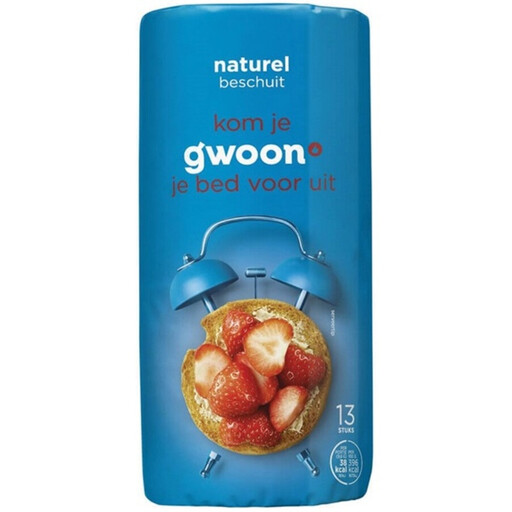 Image unavailable
g'woon plain rusks, 125 g
A plain option to compare with the wholemeal varieties; the pack contains 125 g. Check the allergens on the packet. If the rusk needs to hold a layer of butter and chocolate sprinkles, don’t rely on ‘plain’ alone to tell you how sturdy it is.
View at Joybuy
Frequently asked questions
Are rusks with chocolate sprinkles automatically suitable for a child who needs to avoid gluten?
No. The product information from Albert Heijn and Jumbo lists gluten-containing grains in the rusks discussed here. Check the current labels on both the rusk and the chocolate sprinkles against the requirements for your child. The Netherlands Food and Consumer Product Safety Authority explains how allergens must be listed on prepacked products.
Should I ask the school or childcare setting whether my child can take rusks with chocolate sprinkles?
Yes. Ask the school or childcare setting about its policy before packing anything. This helps you follow its rules on bringing in and sharing food, as well as any allergen requirements, alongside the information on both packets.
How should I store rusks after opening?
Follow the storage instructions on the packet you’ve chosen. For AH plain rusks, Albert Heijn recommends storing them in a cool, dry place away from light and putting them in a sealed tin after opening. Jumbo recommends storing the rusks discussed here in a cool, dry, dark place.
Does salt in rusks mean they contain iodine?
No. You can’t tell from the word ‘salt’. The Netherlands Nutrition Centre says that using baker’s salt is not compulsory. For the ingredients in a particular rusk, check the current label or ask the manufacturer. Don’t assume that it contains iodine, or make assumptions about the amount, based on the type of product.


