
Buffet planners catering for fussy eaters
For hosts who want guests to choose between wholemeal and plain rusks, and between dark and milk chocolate flavours, rather than preparing one combination for everyone.


For a buffet catering for different tastes, serve wholemeal and plain rusks side by side, with dark and milk chocolate sprinkles in separate bowls. Guests can then make their own combinations. Check the ingredients and allergen information on each pack, as wholemeal doesn’t automatically make a product suitable for someone with an allergy, and dark chocolate sprinkles aren’t necessarily dairy-free.
For hosts who want guests to choose between wholemeal and plain rusks, and between dark and milk chocolate flavours, rather than preparing one combination for everyone.
Compare wholemeal rusks by checking the ingredients and the stated fibre content per 100 g. Even then, egg, gluten and sesame may need to be considered when choosing a product.
Current packaging is essential so you can check each type of rusk and topping separately. The products discussed here may contain gluten, egg, milk, soya or sesame, among other allergens.
First decide which rusks and chocolate flavours you’d like to serve separately. Then compare the nutritional information and check the packaging of every item for guests with allergies or dietary requirements.
| What to consider | What to check when buying | Who is this important for? |
|---|---|---|
| Choice of base and flavour | Choose the types of rusk you want and serve dark and milk chocolate sprinkles separately. | If my guests enjoy different flavours and textures, I want them to be able to top their own rusks. For around 37% of consumers, having that choice matters most. |
| Wholemeal and fibre | Check the wholemeal flour in the ingredients list and the fibre content per 100 g. | Those looking for a wholemeal base with a clearly stated fibre content at the buffet can choose their rusks accordingly. This is the main priority for around 27% of consumers. |
| Chocolate flavour | Compare the type of topping and, for chocolate sprinkles, the stated cocoa content and sugars per 100 g. | I want to be able to tell dark and milk chocolate flavours apart before choosing a topping. This flavour preference is the deciding factor for around 18% of consumers. |
| Allergens and dietary requirements | Read the current allergen information for both the rusks and the topping; check whether each product is labelled vegan. | If a guest has an allergy or a specific dietary requirement, I need to be able to check the full combination. This is the main concern for around 18% of consumers. |
The De Ruijter and Venz dark varieties reviewed list milk ingredients and soya, or carry warnings about milk protein or lactose. So the flavour name alone won’t tell you whether a product is suitable for someone with a milk allergy or following a vegan diet.
Check the ingredients and allergen information on the pack you’re actually using.
The wholemeal rusks discussed contain wheat or other gluten-containing cereals; some varieties also contain egg and sesame.
Keep the packaging beside the bowl or put an ingredients card next to each type of rusk, so guests can identify the right option.
According to the Voedingscentrum, the Dutch Nutrition Centre, using baker’s salt when baking bread isn’t compulsory. Product information will show whether a particular rusk contains it.
Check the label before making any claims about added iodine in the rusks you’re serving.
A product page may remain visible when a variety is temporarily out of stock. This can be particularly inconvenient if you’ve planned your buffet around that specific type of rusk.
Check current availability before finalising your selection, and have an alternative rusk base in mind.
For a wholemeal rusk base, both a standard and a darker, high-fibre variety are worth considering.
The product range discussed offers separate dark and milk chocolate sprinkle options.
Another dark chocolate sprinkle option for guests who like to choose between chocolate flavours.
AH Wholemeal Rusks are a supermarket own-brand option for comparing the ingredients and nutritional value of a wholemeal base.
Jumbo provides product information for wholemeal rusks and dark and milk chocolate sprinkles.
These products give you wholemeal rusks, dark chocolate sprinkles and milk chocolate flakes to serve separately at the buffet. If you’d also like to offer plain rusks or milk chocolate sprinkles, choose these as separate additions; flakes are not the same as sprinkles.
 Image unavailable
A separate dark wholemeal option for guests who prefer this texture. The variety reviewed contains 10 g of fibre per 100 g and is vegan according to Bolletje, but contains wheat, oats, barley and sesame. Sprinkles are not included; if you want to offer a vegan combination, check their ingredients too.
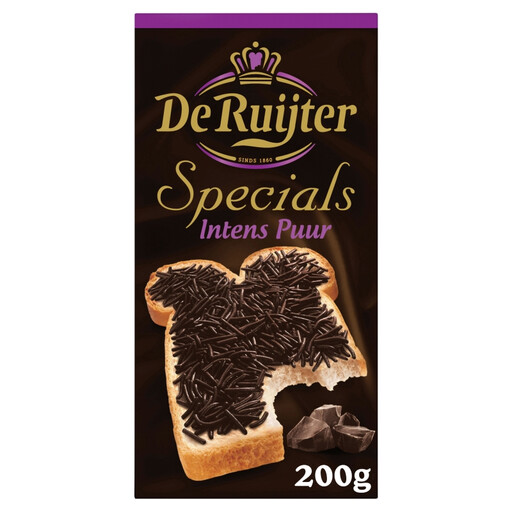 Image unavailable
Dark chocolate sprinkles to serve alongside a milk chocolate option. This is the topping only, so choose rusks separately. If you’re catering for someone with a milk allergy or following a vegan diet, check the ingredients and allergens for this specific variety.
 Image unavailable
A wholemeal rusk base for guests to top as they like. Albert Heijn lists 11 g of fibre per 100 g for Bolletje Wholemeal Rusks; this variety contains wheat and egg. If you’re catering for allergies, check the current packaging and serve the toppings separately.
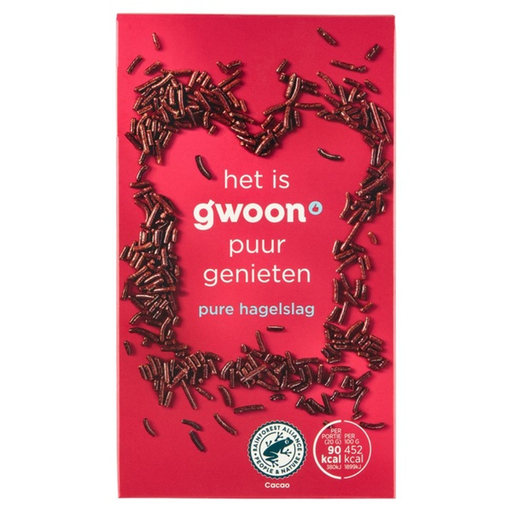 Image unavailable
Another dark chocolate sprinkle option to serve separately from the rusks. ‘Dark’ doesn’t mean this pack is dairy-free or vegan, so check the label before serving it to guests with dietary requirements.
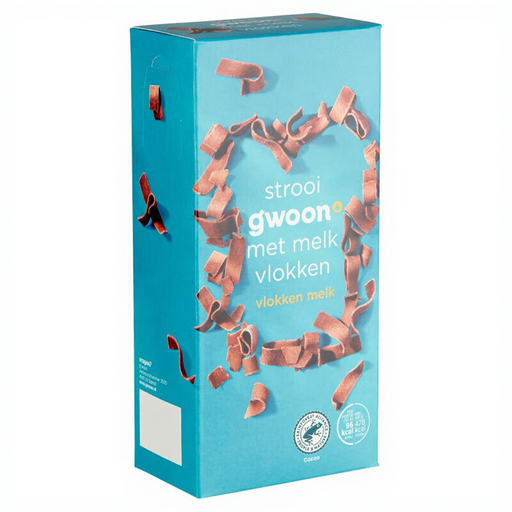 Image unavailable
A milk chocolate topping for guests who prefer flakes; these are not milk chocolate sprinkles. Serve them separately from the dark chocolate sprinkles and rusks, and check the packaging of each item if you’re catering for allergies.
Don’t assume so based on the word ‘dark’. The varieties reviewed list milk ingredients and soya, or carry warnings about milk protein or lactose. Check the current ingredients and allergen information on the pack you choose.
Keep the packaging beside each type of rusk and topping, or put a clear ingredients card next to it. This lets guests check each item for ingredients such as wheat, egg, milk, soya and sesame, without having to guess what’s in an open bowl.
No, you can’t assume that without checking the product information. The Voedingscentrum, the Dutch Nutrition Centre, says that using baker’s salt when baking bread isn’t compulsory. Check the label for the specific rusks before making any claims about added iodine.
Store the rusks somewhere dry and reseal the pack securely after opening. Serve the rusks and chocolate toppings separately so guests can top their rusks just before eating.