
Weekday breakfast eaters keeping an eye on fibre
You want a quick breakfast of rusks and chocolate sprinkles, but would rather compare wholegrain or high-fibre options for the base than simply go for plain rusks.


Choose wholegrain or high-fibre rusks if fibre in the base is your main priority for this quick breakfast; plain rusks are a good fit if you prefer the familiar combination. Then choose your chocolate sprinkles based on flavour, portion size and allergens. According to the Netherlands Nutrition Centre, chocolate sprinkles are not included in the Dutch Wheel of Five; choosing a different type of rusk does not change that.
You want a quick breakfast of rusks and chocolate sprinkles, but would rather compare wholegrain or high-fibre options for the base than simply go for plain rusks.
You want to choose between milk, dark or another type of chocolate sprinkles. The portion size and allergens also need to suit everyone sharing breakfast.
You compare pack sizes and check whether everyone will actually eat the rusks and chocolate sprinkles you choose. A larger pack, on its own, tells you nothing about the ingredients or allergens.
For a weekday breakfast, choose your rusk base first, then your chocolate sprinkles. Compare the fibre per 100 g on the rusk packaging, and check the topping’s nutritional information per 100 g alongside the portion you use.
| What to consider | What should you check? | Who is this most important for? |
|---|---|---|
| Fibre in the base | Compare the type of rusk and the fibre per 100 g shown on the label. | If I want to keep eating chocolate sprinkles, I mainly want to make a considered choice about the rusk underneath. Around 42% of consumers give the base top priority. |
| A familiar, quick combination | Choose plain rusks or another type you like, and check the ingredients and allergens in the chocolate sprinkles. | On busy mornings, I want to enjoy my usual combination without any preparation. For around 33% of consumers, convenience and a familiar flavour come first. |
| Stock and pack size | Check how many rusks are in the pack and the weight of the chocolate sprinkles; also look at the best-before information. | If we eat this combination more often, I want to choose pack sizes that suit how much we use. Stocking up is the main concern for around 25% of consumers. |
‘Medium sliced’ is not a useful way to find ordinary rusks. Jumbo describes rusks as a product made by cutting a baked roll in half and baking the two halves again.
Look for the type of rusk you want, such as plain, wholegrain or multigrain, then compare the information on the packaging.
Changing the rusk base does not change the topping’s ingredients. The Netherlands Nutrition Centre does not include chocolate sprinkles in the Dutch Wheel of Five.
Consider the combination and how much chocolate sprinkles you use. Compare nutritional information per 100 g and per portion, without treating the two products as a single food.
The chocolate sprinkle varieties reviewed include ingredients such as milk, lactose and soya. Allergens vary between products and varieties.
If you have allergies, check the current label on both the rusks and the chocolate sprinkles every time.
A brand to consider if you’re looking for milk or dark chocolate sprinkles.
An option to compare if you’re looking for milk chocolate sprinkles in a 400 g pack.
A supermarket own-brand range where you can compare rusks and chocolate sprinkles side by side.
An own-brand range with different types of rusks and chocolate sprinkles to browse.
A supermarket option to consider if you’re looking for a larger pack of milk chocolate sprinkles.
An own-brand option if you want to compare 600 g packs of chocolate sprinkles.
These products are separate components for weekday breakfasts of rusks with chocolate sprinkles: two types of wholegrain rusk and three types of chocolate sprinkles. Choose one rusk and one topping for your combination.
 Image unavailable
A wholegrain base if you want to make a considered choice about your breakfast rusks. The pack contains 13 rusks; choose your chocolate sprinkles separately.
If you have allergies, check the ingredients on the current packaging.
 Image unavailable
Another wholegrain rusk option to use as a base for chocolate sprinkles. The pack contains 10 rusks; choose your topping separately.
Compare the nutritional information and, if you have allergies, check the current label.
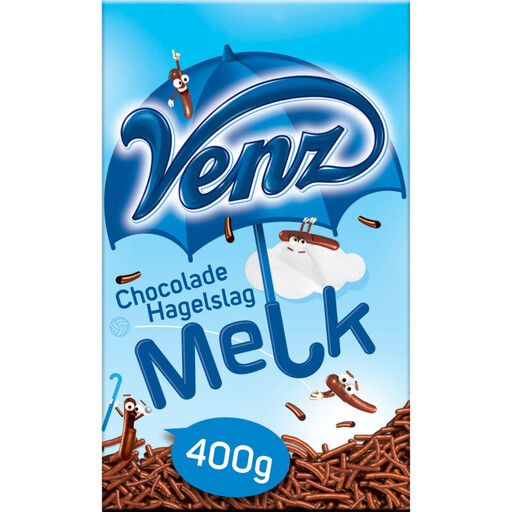 Image unavailable
Milk chocolate sprinkles for topping rusks if this is the flavour you like; choose your rusks separately. Albert Heijn lists at least 20% cocoa solids for Venz milk chocolate sprinkles.
The variety reviewed contains milk, lactose and soya. Check the label and nutritional information on the pack you use.
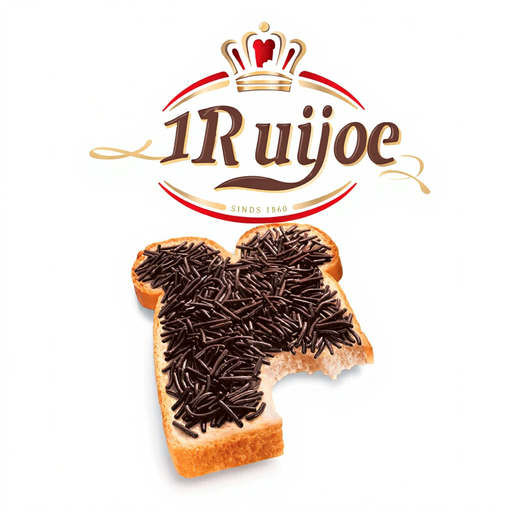 Image unavailable
Dark chocolate sprinkles if you’d like this variety on your rusks. This pack contains 390 g; choose your rusks separately.
Check the ingredients, allergens and nutritional information for this dark variety on the current label.
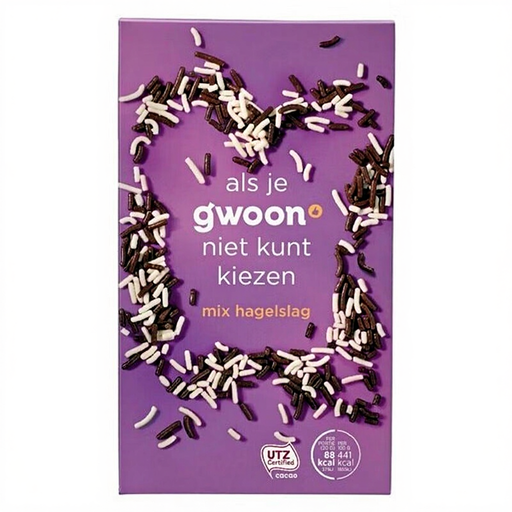 Image unavailable
Milk chocolate sprinkles in smiley shapes if you’d like to try a different topping on your rusks. Rusks are not included.
Check the pack size, ingredients and allergens on the label before choosing this variety.
It can be part of your breakfast, but consider what else you eat and how much you use. According to the Netherlands Nutrition Centre, chocolate sprinkles are not included in the Dutch Wheel of Five. Choosing a wholegrain or high-fibre rusk base does not change the nutritional value of the chocolate sprinkles.
No, that is not a useful description for ordinary rusks. Jumbo explains that after baking, the rusk roll is cut in half and the two halves are baked again. It’s better to look for a type of rusk, such as plain or wholegrain.
Read the current label on both the rusks and the chocolate sprinkles. For the Venz milk chocolate sprinkles reviewed, Albert Heijn lists milk, lactose and soya; a rusk variety may contain different allergens. So don’t rely on the flavour or variety name alone.
The Dutch rules on baker’s salt do not mean that they do. The Netherlands Food and Consumer Product Safety Authority explains that iodine compounds may be present in bread, bread substitutes and other baked goods through baker’s salt; this does not confirm that a particular rusk contains it. Check the packaging or ask the manufacturer if the type of salt used matters to you.