
Fussy eaters who want a familiar option
If you’re serving rusks with a range of toppings, plain rusks may suit guests who prefer a simple option. Even with plain rusks, check the packaging to see which allergens the product contains.


Choose wholemeal rusks if you specifically want a wholemeal product and want to compare fibre content; choose plain rusks if a simple, familiar option for your guests matters more. Rusks don’t have a specific role at an Asian-themed evening, so let your toppings and serving plans help you decide. For either option, check the nutritional information, ingredients and allergens on the packaging.
If you’re serving rusks with a range of toppings, plain rusks may suit guests who prefer a simple option. Even with plain rusks, check the packaging to see which allergens the product contains.
If you specifically want wholemeal rusks, look for the ‘wholemeal’ label and compare fibre and salt per 100 g. This lets you compare packs on the same basis, even if the rusks differ in size.
If someone needs to avoid wheat, gluten, egg or sesame, check the current packaging of the product you’ve chosen. The wholemeal products from Bolletje, Albert Heijn and Jumbo reviewed here list wheat or gluten and egg; this doesn’t apply to every other type of rusk.
Before your Asian-themed evening, decide whether you’re mainly looking for wholemeal rusks or a plain option. Then compare the specific packs, especially if you’re buying for several people or need to take allergens into account.
| What to consider | What to check when buying | Who it matters to |
|---|---|---|
| Wholemeal and fibre | Look for the ‘wholemeal’ label and compare fibre and salt per 100 g. | If fibre is my main reason for choosing rusks, I want to be able to check what the pack says. Around 50% of consumers prioritise this wholemeal and fibre choice. |
| A familiar option | Choose between plain rusks and varieties with grains or seeds; check the number of rusks in the pack too. | For guests who prefer a simple rusk with their toppings, this matters more than a wholemeal label. Around 30% of consumers prioritise a familiar option. |
| Allergens and labelling | Read the current ingredients and allergen information for the product you’re serving. | If someone needs to avoid certain ingredients, I want to know what the chosen rusks contain or may contain before serving them. Checking the label comes first for around 20% of consumers. |
These labels don’t mean the same thing. According to the Netherlands Nutrition Centre, a product can only be called ‘wholemeal’ if it is made entirely from wholemeal flour.
If you specifically want wholemeal rusks, look for that label on the pack first, then compare the nutritional information per 100 g.
Wholemeal varieties can also contain ingredients that someone needs to avoid. The wholemeal products from Bolletje, Albert Heijn and Jumbo described here list wheat or gluten and egg.
Before serving, check the ingredients and allergen information on the pack you’re actually using. Look separately for ‘contains’ and ‘may contain’ statements.
Nutritional values per rusk can only be compared directly if the rusks weigh the same. This can vary between products.
Use the values per 100 g when comparing, for example, fibre or salt between two packs.
The Netherlands Food and Consumer Product Safety Authority explains the conditions under which iodine compounds may be present in bakery products through bakers’ salt. This doesn’t mean that every rusk product contains iodine.
If iodine is relevant to your choice, check the information on the specific product’s packaging or ask the manufacturer.
These examples show what product information you can compare across different types of rusks. The values and allergens listed apply to the products named, not to every product from each brand.
Bolletje offers, among other products, plain and wholemeal rusks. If you’re comparing fibre content, the information for Bolletje Wholemeal Rusks is relevant.
AH Wholemeal Rusks are an own-brand product you can compare with other wholemeal varieties.
Jumbo’s range includes plain and wholemeal rusks. Compare the nutritional information for each variety separately.
Here you’ll find two wholemeal varieties and one plain option. First choose the type that best suits your serving plans, then read the label on the pack you’ve picked, especially if allergens are a concern.
 Image unavailable
A good choice if you specifically want to serve wholemeal rusks at your Asian-themed evening. The pack contains 13 rusks; if you have dietary restrictions, check the current ingredients and allergen information.
 Image unavailable
Another wholemeal option if you’re not looking for a plain variety. The pack contains 10 rusks; check this product’s ingredients and allergen information before serving it to others.
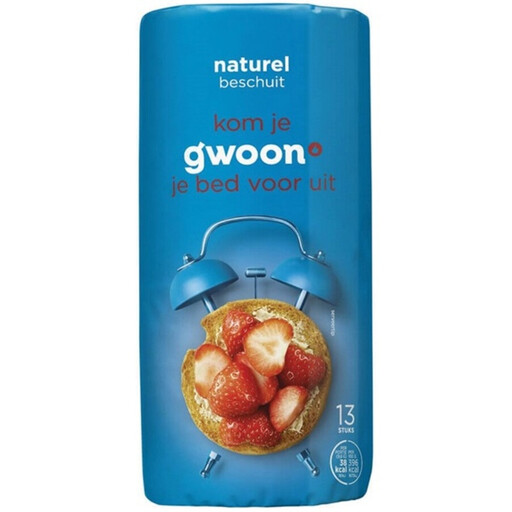 Image unavailable
A plain option if you’re not specifically looking for wholemeal rusks for your guests. The pack contains 125 g; check this product’s ingredients, allergens and nutritional information on the label.
According to the Netherlands Nutrition Centre, a product can only be called ‘wholemeal’ if it is made entirely from wholemeal flour. If you also want to check the fibre content, look at the nutritional information per 100 g.
No. The wholemeal products from Bolletje, Albert Heijn and Jumbo described here list wheat or gluten and egg. Always check the allergens on the specific pack before serving rusks to someone with a relevant dietary restriction.
Compare fibre, salt and other nutritional values per 100 g, rather than simply comparing them per rusk. To work out how much you’re serving, also check the weight of each rusk, as portion sizes can vary between products.
Keep them dry in a sealed container and follow the instructions on the packaging. Albert Heijn recommends storing AH Wholemeal Rusks in a sealed tin after opening; storage instructions may vary between products.
No, this isn’t guaranteed by the Dutch rule on bakers’ salt. The Netherlands Food and Consumer Product Safety Authority states that iodine compounds may only be present in bread, bread substitutes and other bakery products through bakers’ salt, up to a maximum of 65 mg of iodine per kg of salt. Check the label or ask the manufacturer if you want to know what applies to a specific rusk product.