What should you look for when choosing?
First decide whether the familiar shape of rusk or clearly labelled sourdough matters most. Then check the packaging for allergens, ingredients and nutritional information.
| What to consider |
What to check when buying |
Who it matters most to |
| Allergens and school rules |
Read the ingredients and allergen information, as well as any warnings about possible cross-contamination. Also check the rules at your child’s school or childcare setting. |
If my child is taking something to school, I want to know whether it suits their allergies and complies with the school’s rules. This is the main concern for around 31% of consumers. |
| Sourdough and product type |
Look for sourdough in the ingredients list and check whether you’re buying rusk or firmer crispbread. |
I’m looking for the flavour of rye sourdough and don’t mind a firmer cracker. This preference is the deciding factor for around 25% of consumers. |
| Wholegrain and fibre |
Compare the ingredients and fibre per 100 g. If portion sizes vary, check the weight per piece too. |
For a regular snack, I want to consider wholegrain ingredients and fibre, as long as my child likes the texture. Around 25% of consumers put this first. |
| Availability and pack size |
Check current availability and pack size before settling on a regular choice. |
I want to be able to keep packing a familiar product without having to switch varieties each time. This practical reassurance matters most to around 19% of consumers. |
Products to suit different preferences
This selection includes sourdough crispbread, rusk and other crunchy grain products. Choose based on the product type you want, and check the packaging before packing anything for school or childcare.
 Image unavailable
Wasa Sourdough Rye Crackers, 235 g
For anyone looking for rye sourdough who would prefer crispbread to round rusk. The product information lists wholegrain rye and rye sourdough. Check the latest packaging for allergens and any warnings about possible cross-contamination.
View at Joybuy
 Image unavailable
Bolletje Dark Whole Wheat Rusk, 10 pieces
For anyone looking for rusk in a wholegrain variety. The pack contains 10 pieces. Before packing it, check the ingredients, allergens and any warnings on the latest packaging.
View at Joybuy
 Image unavailable
Wasa High-Fiber Crackers, 300 g
For anyone wanting to compare a crunchy grain product with rusk or sourdough crispbread. This is a 300 g pack; check the nutritional information and allergens on the label. The product name doesn’t confirm that it’s a sourdough product.
View at Joybuy
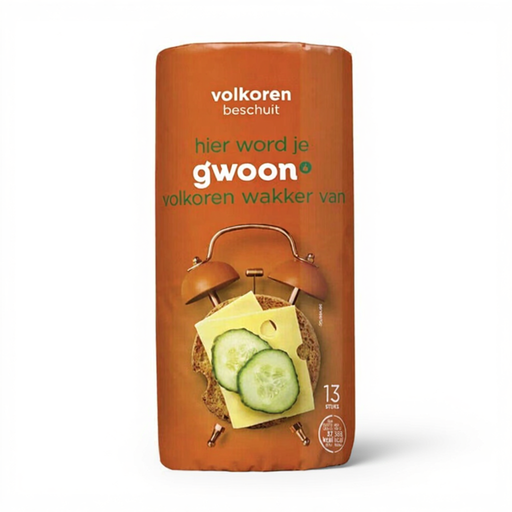 Image unavailable
g'woon Wholegrain Crispbreads, 125 g
For anyone considering a different crunchy wholegrain product. The pack contains 125 g; this isn’t traditional round rusk. Read the label for ingredients and allergens before packing it.
View at Joybuy
Frequently asked questions
Is sourdough crispbread gluten-free?
No, sourdough doesn’t automatically make a product gluten-free. The rye sourdough options discussed here contain gluten-containing cereals. If you have coeliac disease or a relevant allergy, check the latest packaging and follow your individual dietary requirements.
What should I check before packing rusk for school?
Read the ingredients and allergen information on the latest packaging, and look for any warnings about possible cross-contamination. The Netherlands Food and Consumer Product Safety Authority explains the mandatory allergen labelling for prepacked foods; you should also check the rules at your child’s school or childcare setting.
Can wholegrain rusk replace wholemeal bread every day?
Don’t automatically consider wholegrain rusk an equivalent everyday replacement for wholemeal bread. The Netherlands Nutrition Centre recommends wholemeal and brown bread for children aged 4 to 12, and lists wholegrain crispbread as a snack option. Consider your child’s overall diet and what you put on the rusk.
Does ‘sourdough’ mean a product is made with baker’s salt?
No, you can’t tell from the word sourdough whether baker’s salt has been used. Check the ingredients for the specific product, or ask if it’s an unpackaged bakery product. Don’t draw conclusions about its iodine content from the product name.


