
Everyday work-from-home luncher
You’re looking for rusk as a simple base for lunches while working from home. Check how many pieces come in a pack and whether the variety goes with the toppings you like to switch between.


Choose plain rusk if you’re looking for a simple base for your work-from-home lunch. Opt for a wholegrain variety if the type of grain and fibre matter more to you; choose a branded pack if you have a particular variety in mind. Whatever you choose, check the ingredients, allergens and pack contents.
You’re looking for rusk as a simple base for lunches while working from home. Check how many pieces come in a pack and whether the variety goes with the toppings you like to switch between.
You want to make a considered choice of wholegrain rusk, so you compare the wording on the pack with the nutritional information. The Netherlands Nutrition Centre explains that wholegrain cereal products contain more fibre than white cereal products.
You check whether a particular pack suits your ingredient preferences. PLUS’s product information for PLUS Plain Rusk and Bolletje Real Rusk lists wheat and egg, among other ingredients; check the current packaging before making your choice.
First decide whether you want a simple plain pack, rusk labelled specifically as wholegrain, or a particular branded variety. Then check the contents and label of the pack you’re actually choosing.
| What to consider | What should you check? | Who is this most important to? |
|---|---|---|
| Simple lunch base | Check whether you’re looking for plain rusk and compare the weight or number of pieces per pack. | If I often have lunch at home, I want a simple pack with contents that suit how I use it. Around 50% of consumers give this everyday convenience top priority. |
| Wholegrain and fibre | Check for the word ‘wholegrain’ and compare the fibre per 100 g in the nutritional information. | I want to choose wholegrain rusk deliberately, rather than judging by its darker colour alone. For around 30% of consumers, choosing wholegrain comes first. |
| Ingredients and storage | Read the ingredients, allergen information and storage instructions on the pack you’ve chosen. | If certain ingredients are important to me, I want to be able to assess the pack before using it. For around 20% of consumers, checking the label is their top priority. |
The appearance of rusk alone doesn’t tell you which type of grain has been used.
Look for the word ‘wholegrain’ on the pack you’ve chosen and read the ingredients if the type of grain is important to your choice.
The rusk category doesn’t tell you which ingredients are in a particular variety.
If you want to know whether iodised salt has been used, check the ingredients list on that pack for wording such as ‘baker’s salt’ or ‘iodised table salt’.
Even a plain variety may contain ingredients that matter to your choice. Once opened, a pack should also be stored according to the instructions on the packaging.
Read the current label, including the allergen information, and follow the storage instructions after opening.
Bolletje offers varieties including Real Rusk and Wholegrain Rusk. The right option depends on the type of grain you want and the ingredients in that pack.
Albert Heijn lists both AH Plain Rusk and AH Wholegrain Rusk, alongside varieties from Bolletje.
Jumbo lists several Bolletje rusks, including Real Rusk and Wholegrain Rusk.
PLUS lists its own-brand plain variety as well as Bolletje Real Rusk.
ALDI lists Goud Gebakken rusk in plain and wholegrain varieties, both in packs of 13 pieces.
Lidl is another shop to consider when choosing rusk for your work-from-home lunch in store.
These packs include plain, seeded and Bolletje varieties, giving you options to compare with your own preferences for wholegrain and pack size. Always check the label on the specific pack before choosing.
 Image unavailable
A seeded variety for anyone who doesn’t want plain rusk with their work-from-home lunch.
Check the ingredients and allergens on the packaging, particularly if seeds or sesame are relevant to your choice.
 Image unavailable
A Bolletje variety for anyone specifically looking for a pack labelled as wholegrain.
The product name states that it contains 10 pieces. Check the grains and allergens on the current packaging.
 Image unavailable
A Bolletje variety labelled as wholegrain for anyone looking for that type of grain for lunch.
The product name states that it contains 13 pieces. Read the ingredients and allergens on the packaging for this variety.
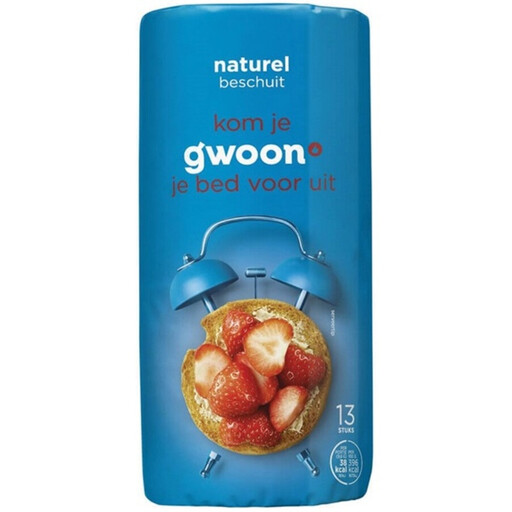 Image unavailable
A plain pack for anyone looking for a simple rusk base for their work-from-home lunch.
The product name states that it weighs 125 g. Check the ingredients, allergens and storage instructions on the packaging.
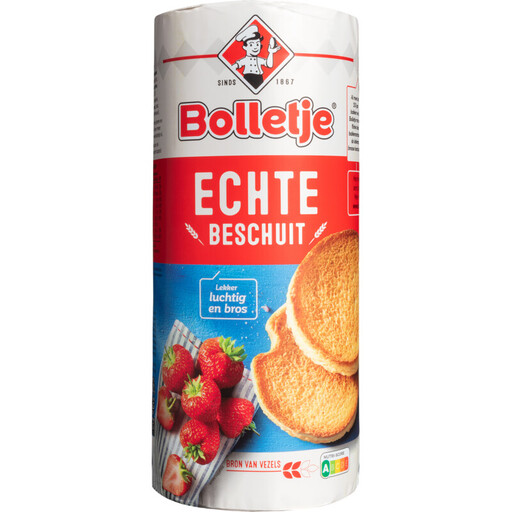 Image unavailable
A classic Bolletje variety for anyone who wants this particular branded pack for lunch.
The product name states that it contains 13 pieces. Check the ingredients and allergens on the current packaging.
Choose based on the type of grain you’re looking for and check the nutritional information for the individual pack. According to the Netherlands Nutrition Centre, wholegrain cereal products contain more fibre than white cereal products; you’ll find the values for a specific rusk on its packaging.
Read the allergen information on the current packaging for the variety you choose. PLUS lists wheat and egg for both PLUS Plain Rusk and Bolletje Real Rusk; rye is also listed for the Bolletje variety. Don’t use these examples as the ingredients list for other packs.
Check the ingredients list for the specific pack for wording such as ‘baker’s salt’, ‘iodised table salt’ or ‘table salt enriched with iodine’. Don’t rely on the rusk category alone to tell you which type of salt has been used.