
If you’re serving plenty of toppings
You’re looking for a neutral base for your Easter lunch. Before choosing a different variety, check how many rusks are in a pack and how many packs you’ll need for your guests.


For a budget-conscious Easter lunch, own-brand plain rusk is an obvious choice if the toppings are the star of the show. Choose a wholemeal or seeded variety if guests specifically want that kind, but compare the number of pieces and the weight per pack. If anyone has allergies, check the label, and don’t count on a shop being open on Easter Sunday without checking first.
You’re looking for a neutral base for your Easter lunch. Before choosing a different variety, check how many rusks are in a pack and how many packs you’ll need for your guests.
You want to have the rusk at home before lunch begins. According to the Government of the Netherlands, shops may have different opening arrangements on Sundays depending on the municipality. So, if you plan to shop on Easter Sunday, check the specific store you intend to visit.
You might be looking for wholemeal rusk, or need to take allergens into account. Read the ingredients and allergen information on the exact pack, rather than relying on the front of the packaging.
First decide which type of rusk you need and how many pieces. Then check the ingredients for your guests and plan when to do your shopping.
| What to consider | What to check when buying | Who is this most important for? |
|---|---|---|
| How much you need for lunch | For plain rusk, compare the number of pieces and the weight per pack; choose enough packs for your guests. | If the toppings are the main event, I want to serve enough plain rusk without buying more packs than I need. Around 40% of consumers say having the right quantity is their top priority. |
| Shopping in good time | Check the opening hours of the store you plan to visit and, if you prefer, buy the rusk in advance. | When I’m organising Easter lunch, I don’t want to depend on a shop being open on the day. Around 30% of consumers give having products available in good time their highest priority. |
| Ingredients and allergens | Read the ingredients and allergen information on the exact pack you’re buying. | If a guest has a food allergy, I need to know which rusk I can serve; the word ‘plain’ doesn’t tell me that. For around 20% of consumers, checking ingredients is their main concern. |
| Wholemeal and fibre | Compare the types of grain and the fibre listed per 100 g; if you’re choosing seeded rusk, check the ingredients too. | If I specifically want to serve wholemeal or seeded rusk, I look beyond the usual plain variety. For around 10% of consumers, this kind of composition matters most. |
A pack of plain rusk and a larger pack of wholemeal or seeded rusk won’t necessarily contain the same amount. The front of the pack doesn’t always tell you how many pieces you’ll have for lunch, either.
Check the type, weight and number of pieces before deciding how many packs you need.
The Albert Heijn and Jumbo plain rusks described here list ingredients including wheat and egg. Other ingredients and potential allergens vary by product.
If someone has a food allergy, check the label on the exact variety before serving it to your guests.
According to the Government of the Netherlands, rules for shop openings on Sundays and public holidays vary between municipalities. So, don’t assume a particular store will be open without checking locally.
Buy your rusk in advance, or check the store’s current opening hours before you set off.
A brand to consider if you’re specifically looking for Echte Beschuit or another type of rusk.
An own-brand option with plain rusk if you’re looking for a simple base for toppings.
An own-brand option for plain rusk to serve with lunch toppings.
A shopping option if you’re looking for Goud Gebakken Naturel rusk.
A range where you can find both plain rusk and a seeded wholemeal variety.
A shopping option if you’re already going there for your Easter lunch groceries.
This selection includes plain rusk as well as wholemeal and seeded varieties. First choose the type that suits your lunch, then compare pack sizes and check the label if anyone has allergies.
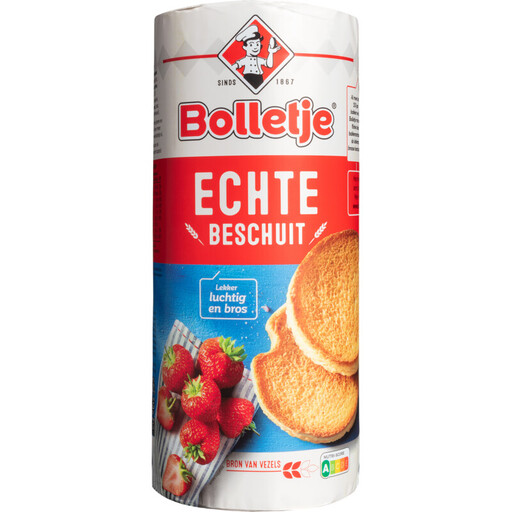 Image unavailable
An option if you’d like to serve Bolletje rusk at your Easter lunch. The pack contains 13 pieces; if anyone has allergies, check the ingredients on the packaging.
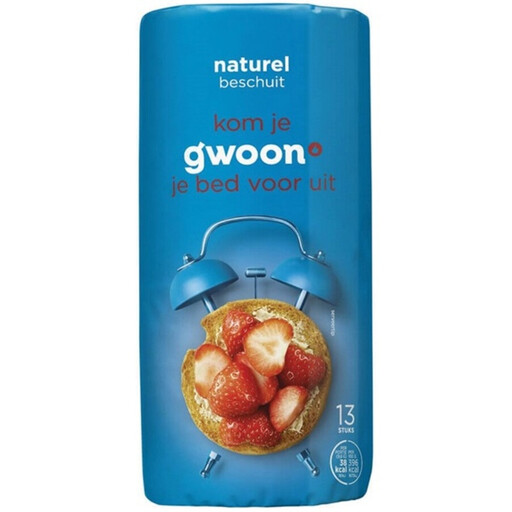 Image unavailable
A plain variety for anyone looking for a simple base to serve with toppings. The pack is listed as 125 g; if anyone has a food allergy, check the latest ingredients and allergen information on the packaging.
 Image unavailable
This wholemeal variety is worth considering if you’re looking for something other than plain rusk. The pack contains 10 pieces; check the ingredients on the pack you choose before serving it to your guests.
 Image unavailable
A wholemeal rusk for guests who prefer it to plain. The pack contains 13 pieces; if anyone has allergies, check the label on the exact pack.
 Image unavailable
A seeded variety if you’d like to serve something different alongside plain rusk. The pack contains 10 pieces; check the ingredients and allergens before serving it to your guests.
That depends on the store and the municipality. According to the Government of the Netherlands, local arrangements for shop openings on Sundays and public holidays can vary. Check the current opening hours before relying on being able to shop that day.
Read the allergen information for every type of rusk you plan to serve. Albert Heijn and Jumbo list ingredients including wheat and egg in their plain rusk; other varieties may list additional ingredients or potential allergens.
Keep the rusk dry and seal the pack well after opening. Albert Heijn recommends storing its rusk in a sealed tin once opened; also follow the storage instructions on the pack you buy.
Don’t assume that it does. The Netherlands Food and Consumer Product Safety Authority explains that iodine compounds may be present in bakery products through the use of baker’s salt. Check the packaging to find out which ingredients a specific rusk contains.