What should you look for when choosing?
First decide whether the rusk base or the chocolate sprinkles should define the look and taste. Then compare the labels on both products.
| What to consider |
What should you check? |
Who is this important to? |
| Rusk base |
Check the description of the rusk and the number of pieces in the pack. Don’t take ‘large’ or ‘robust’ to mean a measured thickness or load-bearing capacity. |
If I want to serve a larger rusk, I want to know exactly which version I’m buying. Around 36% of consumers give this factor top priority. |
| Fibre and ingredients |
Compare fibre per 100 g, the ingredients and the allergen information for the rusk you choose. |
If I want a rusk made with whole grains or seeds, I look beyond the name on the front, especially if certain ingredients need to be avoided. Around 29% of consumers prioritise this ingredient profile. |
| Taste and appearance |
Compare the type of chocolate and the description of the sprinkles. A different topping won’t change the thickness of the rusk. |
I mainly want the sprinkles to define the taste or presentation, so I choose my topping accordingly. This is the top priority for around 21% of consumers. |
| Nutritional information |
Compare the sugar and salt per 100 g, as well as the amount you use. If you have questions about iodine, check the ingredients in the rusk. |
If the nutritional value of the portion I serve is the deciding factor, I include the amount of chocolate sprinkles in my comparison. Around 14% of consumers prioritise this label check. |
Chocolate sprinkles on Joybuy
These products are toppings for rusk with chocolate sprinkles at an Italian night. Choose the rusk base separately: the chocolate sprinkles don’t determine whether it’s large, thick or sturdy.
 Image unavailable
De Ruijter dark chocolate sprinkles 390 g
A topping for anyone who likes dark chocolate. Albert Heijn’s ingredients list for this version includes milk fat and soya; if you have an allergy, check the latest packaging.
View on Joybuy
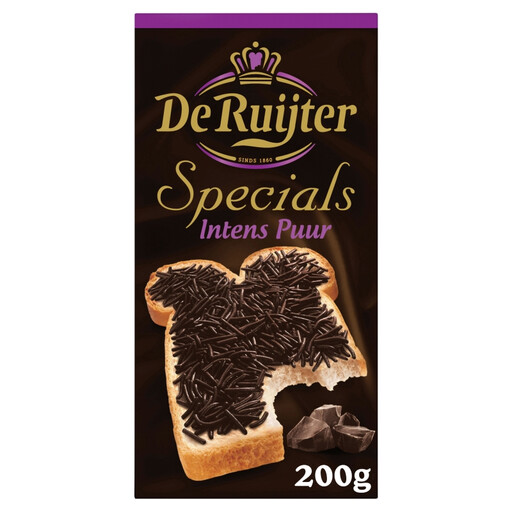 Image unavailable
De Ruijter Intense Dark Chocolate Sprinkles
A dark chocolate sprinkles option for anyone who wants the chocolate topping to take centre stage. Check the net weight on the packaging before deciding how much you’ll need for your guests.
View on Joybuy
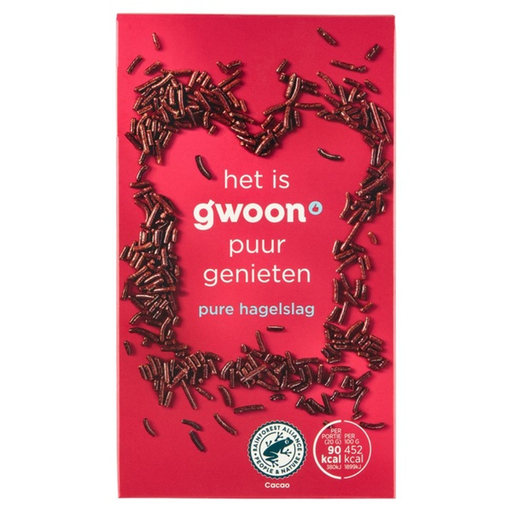 Image unavailable
g'woon dark chocolate sprinkles 400 g
Another dark chocolate topping to serve with your chosen rusk. If they matter to your choice, compare the nutritional information per 100 g and the allergen details on the packaging.
View on Joybuy
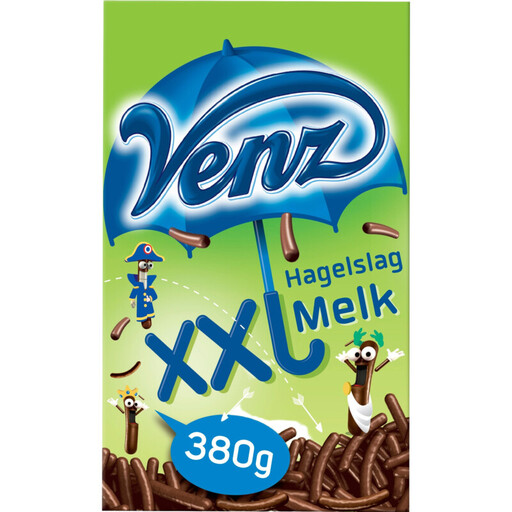 Image unavailable
Venz milk chocolate sprinkles 380 g
For anyone who wants to serve milk chocolate sprinkles as a topping. If you have an allergy, check the ingredients and allergen information on the latest packaging.
View on Joybuy
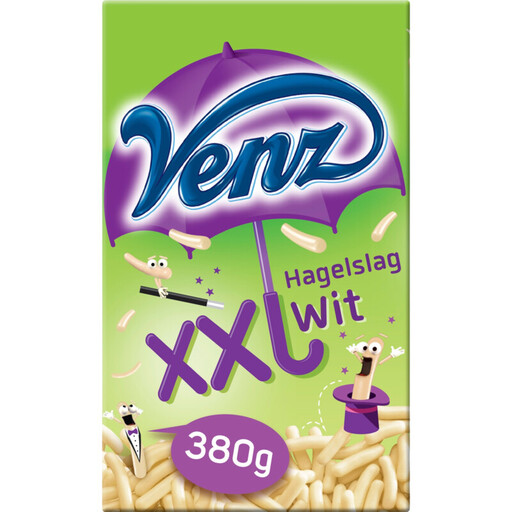 Image unavailable
Venz XXL White Chocolate Sprinkles 380 g
For anyone looking for white chocolate sprinkles with more prominent pieces: Joybuy describes the sprinkles in this XXL version as extra large. The online ingredients list and allergen information contradict each other. If you have an allergy, check the packaging or ask the manufacturer for clarification.
View on Joybuy
Frequently asked questions
Does ‘thick cut’ mean a specific thickness for rusk?
No. Don’t treat ‘thick cut’ as a fixed measurement for the rusk you’re buying. A description such as PLUS’s ‘large, crisp rusk’ helps you identify a type of product, but doesn’t give you a measurement in millimetres or a measured load-bearing capacity. So compare the packaging of the specific version.
Is robust multigrain rusk gluten-free?
Don’t assume it is. Jumbo lists wheat, spelt, rye and barley among the ingredients in its Robust Multigrain Rusk, as well as egg and sesame. If you have an allergy or intolerance, always check the label on the exact rusk you’re buying.
How do I include chocolate sprinkles in the nutritional value of a rusk?
Include the amount of chocolate sprinkles you use alongside the rusk itself. The Netherlands Nutrition Centre gives 9.4 g of sugar for 15 g of chocolate sprinkles on one slice of bread. For the product you’ve chosen, compare the nutritional information with the amount you’ll actually serve.
Does every Dutch rusk contain iodine from baker’s salt?
No. Don’t assume that every rusk contains baker’s salt. The Netherlands Food and Consumer Product Safety Authority describes the permitted addition of iodine via baker’s salt to bread, bread substitutes and other bakery products, up to a maximum of 65 mg of iodine per kg of salt. The Netherlands Nutrition Centre says that bakers are not required to use baker’s salt. For a specific product, check the ingredients list or ask the manufacturer.


