What should you look for when choosing?
First decide whether you mean rusk or sliced bread as the base, and whether the eater likes that texture. Then compare the topping and the ingredients in the complete combination, rather than relying on the flavour name on the packaging.
| What to consider |
What to check |
Who it matters to |
| Flavour and texture |
Check whether the eater likes dry, crunchy rusk and the flavour of chocolate sprinkles you’ve chosen. If the flavour is unfamiliar, try a small amount first. |
A familiar flavour helps me choose, but the crunchy base needs to be right too; around 40% of consumers give flavour and texture the highest priority. |
| Part of the meal |
Compare sugars, saturated fat and fibre per 100 g and per portion used. Decide separately whether rusk or bread is the intended base. |
If this is going to be a regular meal, I want to know what the base, topping and rest of the meal contribute; around 30% of consumers put this consideration first. |
| Ingredients and allergens |
Read the current labels on both the base and the chocolate sprinkles, including any ‘may contain’ statements. |
If certain ingredients need to be avoided, I can’t rely on the product name alone; around 20% of consumers put this check first. |
| Packaging and use |
Compare pack sizes and storage instructions, particularly for a flavour the eater hasn’t tried before. |
I don’t want to be left with lots of unused topping if a new flavour isn’t liked; for around 10% of consumers, practical considerations come first. |
Chocolate sprinkles and toppings at Joybuy
These products are chocolate sprinkles or related toppings for anyone choosing a topping for rusk or bread. Choose the base separately: a topping isn’t rusk and won’t tell you whether medium-sliced bread is suitable.
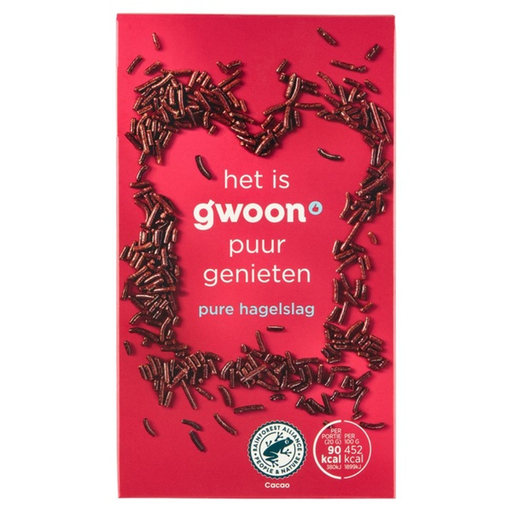 Image unavailable
g'woon dark chocolate sprinkles, 400 g
An option if the eater likes a dark chocolate flavour. The pack contains 400 g; if you’re unsure about trying a new flavour, start with a small amount.
View at Joybuy
 Image unavailable
De Ruijter Dark chocolate sprinkles
A dark chocolate variety to consider if this is already a familiar flavour. Before buying, check the pack weight and, if you have specific ingredient requirements, the current label.
View at Joybuy
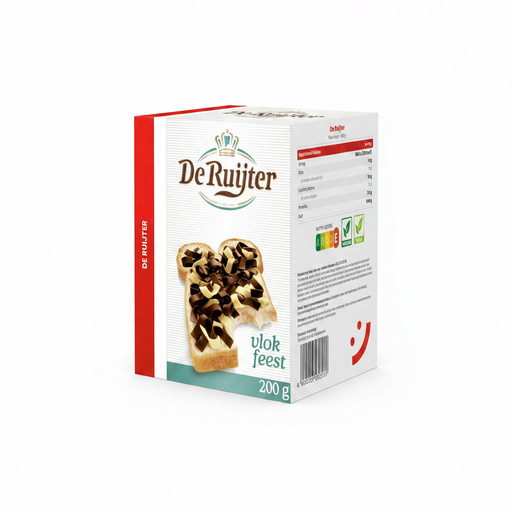 Image unavailable
De Ruijter Flake Feast chocolate and vanilla flakes, 200 g
This topping combines chocolate and vanilla flakes; it isn’t regular chocolate sprinkles. The 200 g pack may be worth considering if you want to try a different flavour and texture in small amounts first.
View at Joybuy
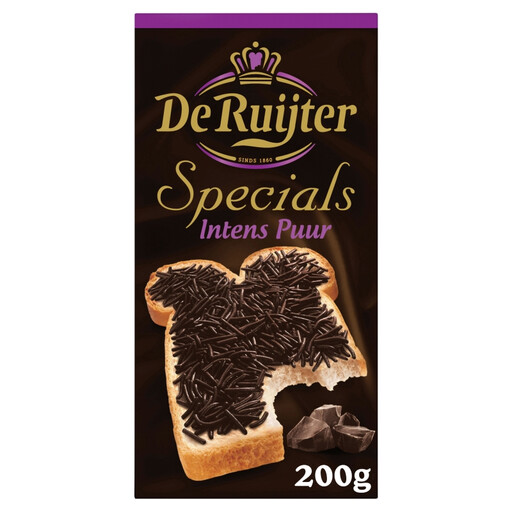 Image unavailable
De Ruijter Intense Dark chocolate sprinkles
This variety is intended for comparing a more intense dark chocolate flavour, not for assuming the eater will like it. Check the pack weight and current label before choosing this variety.
View at Joybuy
Frequently asked questions
Is rusk with chocolate sprinkles a suitable everyday meal on its own?
Don’t consider rusk with chocolate sprinkles a complete meal in its own right. According to the Netherlands Nutrition Centre, chocolate sprinkles aren’t included in the Dutch Wheel of Five and are high in sugar and saturated fat. So consider the base you’ve chosen, the amount of topping and what else is eaten with the meal.
Should I check both labels for allergens when serving rusk with chocolate sprinkles?
Yes, check the rusk and chocolate sprinkles separately. Albert Heijn lists egg and cereals containing gluten among the ingredients in AH Plain Rusk; product information for some varieties of chocolate sprinkles lists milk or soya. Always read the current label for the exact products you’re using, including any statements about possible traces.
Does all bread in the Netherlands contain iodine because of bakers’ salt?
No, don’t assume that. The Netherlands Nutrition Centre says that bakers aren’t required to use bakers’ salt. If you choose sliced bread instead of rusk, check the label or ask the baker which salt was used.
Are chocolate sprinkles with less sugar always the right choice?
No, compare more than just the sugars. According to the nutritional information listed by Jumbo, Céréal Dark Chocolate Sprinkles contain 7,7 g of sugars per 100 g, compared with 68,0 g per 100 g for Jumbo Milk Chocolate Sprinkles. The Céréal variety also lists polyols and carries a warning about a possible laxative effect if consumed in excess; check the ingredients, allergens and portion size too.


