
Barbecue shoppers keeping an eye on their budget
You’re looking for rusk to serve with a range of toppings and want to know how much you’ll get in each pack. So compare both the pack weight and the number of pieces.


Choose plain or standard wholemeal rusk if you mainly want a simple base for a range of toppings at your barbecue. Only opt for a version with seeds if its ingredients or appearance matter for how you plan to serve it. Compare the pack weight and number of pieces, and check the ingredients and allergen information for your chosen variety; the type of rusk alone doesn’t guarantee better value.
You’re looking for rusk to serve with a range of toppings and want to know how much you’ll get in each pack. So compare both the pack weight and the number of pieces.
You want wholemeal rusk, but don’t necessarily need a variety with seeds. Compare the ingredients of those varieties and read the allergen information on the pack you choose.
You’re also choosing rusk for its size, texture or visible mix of seeds to serve with a more elaborate selection of barbecue toppings. In that case, it’s worth weighing up those features against a simple plain or wholemeal variety.
First decide whether you mainly want a simple stock-up option, a wholemeal variety or rusk with seeds to serve with a wider range of toppings. Then compare the packaging and read the product information for the specific variety you’re considering.
| What to consider | What to check | Who it matters most to |
|---|---|---|
| Stock and packaging | Compare the pack weight and number of pieces; they don’t tell you the same thing. | If I’m putting out several types of topping, I want to know how many pieces of rusk I can serve. Around 50% of consumers give this stock-up consideration top priority. |
| Wholemeal and ingredients | Check the exact variety and read the ingredients and allergen information on the packaging. | Anyone choosing wholemeal as a considered choice, or needing to avoid certain ingredients, shouldn’t rely on the product name alone. For around 30% of consumers, the ingredients come first. |
| Rusk for more elaborate toppings | Check the size, description and any seeds; also look at the allergen information. | When serving a wider selection of toppings, I want the rusk itself to suit the presentation. This takes priority for around 20% of consumers. |
Pack weights vary too. A pack of 13 pieces doesn’t tell you by itself how much rusk is in the pack compared with one labelled only by weight.
Compare the number of pieces and the pack weight side by side when both are shown.
The standard wholemeal rusk listed by PLUS contains wheat, barley and egg, among other ingredients; the product information for its seeded variety also lists sesame. So the variety name alone doesn’t tell you which allergens are in the pack you’re buying.
Before buying, read the ingredients and allergen information on the packaging for the exact variety.
Seeds, grains and a different size can work well with a more elaborate selection of toppings, but they don’t necessarily add anything if you just want a simple stock-up option.
First decide what role the rusk will play at your barbecue, and choose a seeded variety if those are the ingredients you want.
Moisture and heat can make rusk you’re saving for later lose its crunch.
Seal the pack carefully after opening and follow the storage instructions for your chosen variety.
These brands and own-label options give you an idea of the types of rusk you can compare. Assess the variety you choose based on its own packaging and ingredients, not just its brand name.
A branded rusk range that includes standard and wholemeal varieties.
An own-label range that includes plain and wholemeal rusk online.
A supermarket that lists products including Bolletje Echte Beschuit.
ALDI’s own-label range of plain and wholemeal rusk.
An own-label range with standard wholemeal rusk and a separate wholemeal variety with seeds.
A supermarket listing a 140 g pack of wholemeal rusk.
This selection includes standard, plain and wholemeal rusk, as well as seeded varieties. First choose the ingredients that suit your barbecue toppings, then check the amount stated on the packaging.
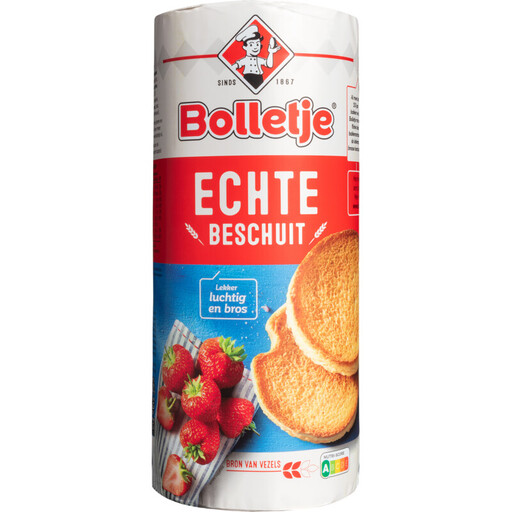 Image unavailable
A standard rusk option if you’re looking for a simple base for a range of barbecue toppings.
The pack contains 13 pieces. Check the ingredients and allergens on the pack before serving.
 Image unavailable
For anyone who specifically wants to serve wholemeal rusk at their barbecue.
The pack contains 13 pieces. Check the latest ingredients and allergen information for this variety.
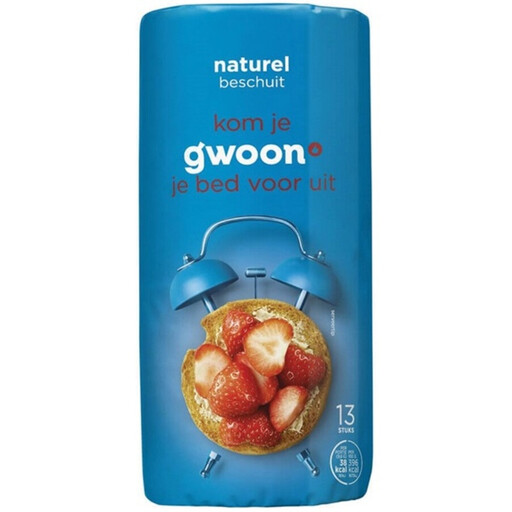 Image unavailable
A plain variety if you’re looking for a simple rusk to serve with your barbecue toppings.
The pack weighs 125 g. Check the packaging if the number of pieces or the allergens are also important to your choice.
 Image unavailable
A seeded variety to consider if you want the ingredients in your rusk to complement your barbecue toppings.
The pack contains 10 pieces. Check the label to see which seeds and allergens are listed for this variety.
 Image unavailable
A wholemeal variety to consider if you want something different from standard rusk to serve with your toppings.
The pack contains 10 pieces. Check the latest ingredients and allergen information if you’re comparing this variety with other wholemeal rusks.
Use the number of pieces to estimate how much you’ll have to serve with your toppings, and the pack weight to compare the amount in different packs. One measure doesn’t replace the other: ALDI, for example, lists 13 pieces for Goud Gebakken plain rusk, while Albert Heijn gives a pack weight of 125 g for AH Beschuit naturel.
Seal an opened pack carefully and store the rusk in a dry place, following the instructions on the packaging. PLUS recommends protecting its standard wholemeal rusk from moisture and heat, and storing it below 25 °C; follow the instructions on the pack for other varieties.
No. The name wholemeal doesn’t mean that rusk is free from gluten-containing cereals or egg. PLUS lists wheat, barley and egg, among other ingredients, in its standard wholemeal rusk. Check the ingredients and allergens on the pack of the exact variety you’re buying.