
Vandaag of morgen in huis

Kwaliteit gegarandeerd

Welkomstaanbiedingen ontgrendelen: GRATIS bezorging | Tot 80% korting | Gratis 30 dagen JoyPlus-proefperiode
Download de app
A pair of running shoes can look comfortable yet disappoint after just a few runs. Online in particular, it is difficult to assess cushioning, fit and grip properly in advance. Marketing terms such as “extra rebound” or “maximum stability” only mean something when it is clear what materials, sole and sizing lie behind them.
The most common pitfalls are:
The shoe should hold your heel securely without pinching. There should be some space at the front for your toes, especially when running longer distances. Your feet can swell slightly during a long training session. A roomy toe box can be more comfortable in these circumstances, but a shoe that is too loose may move around and cause blisters.
When choosing men’s running shoes, women’s running shoes or unisex running shoes, pay attention to:
According to the product description, the LI-NING Yueying 6 comes with more room around the toes. For a wider foot or if you prefer extra space, going up half a size is recommended. Always check the specific size chart for the version you choose.
Cushioned running shoes often use EVA foam or a proprietary foam construction in the midsole. EVA can provide a soft landing and springy feel, but the firmness and thickness vary from model to model.
For everyday use on tarmac, a smooth transition and sufficient comfort are often more important than an extremely soft sole. If you mainly run short distances, a simpler model may be perfectly adequate. For long-distance running shoes, it is worth paying extra attention to:
According to the product description, the adidas Runfalcon 5 uses a Cloudfoam midsole and an Ortholite insole. The PELLIOT models use an elastic EVA midsole, according to their descriptions. These are verifiable product specifications; they do not guarantee that every runner will have the same experience.
Breathable running shoes usually have a mesh upper that allows air to circulate. This can be comfortable during warm training sessions or for everyday use. However, mesh is not automatically waterproof. In rainy Dutch conditions, an open upper may absorb moisture more quickly.
The outsole largely determines the type of terrain for which a shoe is suitable:
The adidas Runfalcon 5 is described in the product information as suitable for road use and distances of 0 to 10 kilometres. According to the description, the PELLIOT models are designed for the transition from road to trail and for a range of terrains. Check which sole version you will receive for each product; the specification may vary between versions on some models.
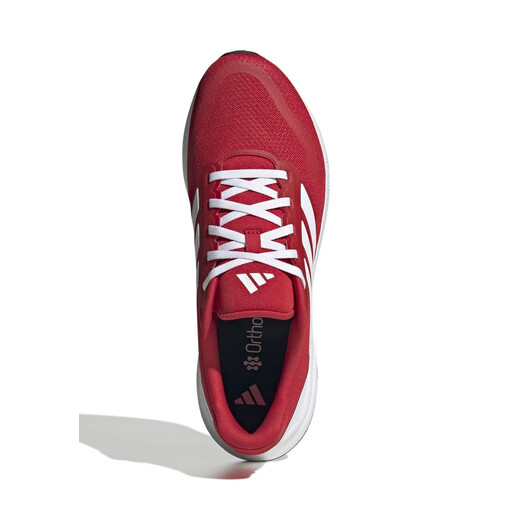
Why it suits this profile: A practical choice for beginners who mainly train on tarmac or paved paths and run short distances.
The product information specifically mentions mesh, Cloudfoam, Ortholite and Adiwear. Its stated use is road running and 0–10 km, making expectations clearer.
Mesh upper, Cloudfoam midsole, Ortholite insole and lace fastening. Available in various size options.
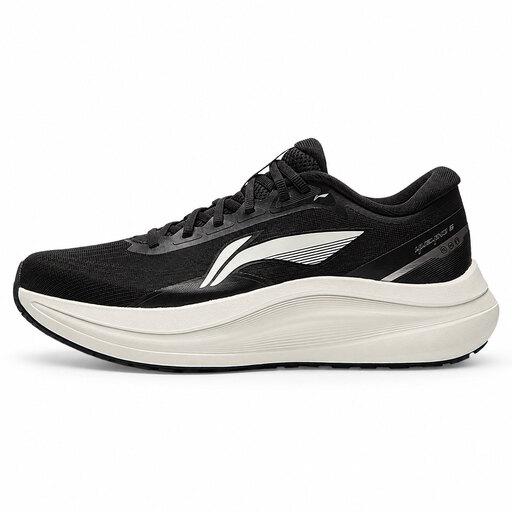
Why it suits this profile: Designed for runners looking for a wider forefoot, secure heel lockdown and consistently supportive feel during training and outdoor sports.
The fit information mentions the roomier toe area and recommends going up half a size if you have a wide foot. This helps prevent you from ordering based solely on the standard EU size.
Full-length Tempo Bounce midsole, rubber outsole with grip zones and HEEL LOC+TUFF RB for heel lockdown, according to the product description.
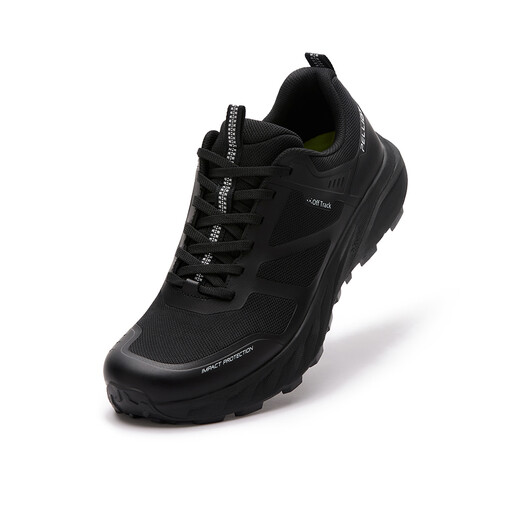
Why it suits this profile: Suitable for runners who combine tarmac with woodland paths, sand or uneven terrain and want one pair for a variety of routes.
The description explicitly mentions a ROCKYTEC rubber outsole, sandwich mesh and use from road to trail. This means the choice is not based solely on the word “lightweight”.
Breathable sandwich mesh, EVA midsole, rubber trail outsole and a choice of standard or slim fit, according to the product information.
We have compiled a complete, up-to-date list of products that fully meet these strict selection criteria and the applicable European safety regulations.
Where possible, order at the end of the day, when your feet are at their normal daily size. Wear socks similar to those you use for running and measure both feet. Use the larger measurement as your guide.
Also check:
There is no fixed lifespan that applies to every pair. Wear and tear depends on running frequency, body weight, surface, running style and care. Look out for a tread that is becoming smooth, permanent deformation of the foam and an upper that no longer fits securely. When the comfort noticeably changes, comparing the shoes with a new pair is wiser than considering their age alone.
For tarmac, models with a relatively even outsole tread, dependable grip and comfortable cushioning are generally practical. According to the product description, the adidas Runfalcon 5 is intended for road use and short distances. For longer tarmac training sessions, fit is particularly important: a good shoe should remain comfortable even when your feet become tired.
They can be, but low weight alone is not a selection criterion. Also check the cushioning, heel stability, toe room and comfort during longer training sessions. For unpaved routes, grip and protection are often more important than a difference of a few grams. The right choice therefore depends on distance, pace, surface and personal fit.
