
Vandaag of morgen in huis

Kwaliteit gegarandeerd

Welkomstaanbiedingen ontgrendelen: GRATIS bezorging | Tot 80% korting | Gratis 30 dagen JoyPlus-proefperiode
Download de app
A pair of running shoes may look appealing on paper, yet disappoint during your first longer run. For example, a soft sole may feel comfortable in the shop, while the shoe offers too little stability on tarmac. Likewise, a breathable upper can be pleasant in warm weather but provide insufficient protection on off-road paths.
The main pitfalls when buying women’s running shoes, men’s running shoes and unisex running shoes are:
A good fit starts with enough room around the toes, without the heel lifting as you run. Measure your foot at the end of the day, wearing the socks you use for running. Then compare the measurement with the product table.
Pay attention to these points:
For example, the PELLIOT models list a standard version for most feet, alongside a slim-fit version for narrower feet. The table uses foot lengths in millimetres. This is more practical than relying solely on EU size 39, 42 or 44.
The midsole largely determines how the shoe feels. Cushioned running shoes often use EVA, Cloudfoam, Bounce or Lightstrike foam. These materials can vary in firmness, energy return and stability.
These names are not universal quality standards. Focus mainly on how you intend to use the shoes. For everyday easy miles, smooth and comfortable cushioning can be ideal. For speed sessions, a more direct and responsive model may be a better match, if you are used to that feel.
A breathable running shoe usually has a mesh or textile upper. This can improve airflow, but a thin upper does not always provide the same protection against branches, rain or splashing dirt.
The outsole is just as important:
According to the product information, the PELLIOT Running Shoes Unisex use a ROCKYTEC rubber outsole. Some versions list Vibram Megagrip. Check the product page to confirm whether this applies to your chosen variant; the stated features do not automatically apply to every version.
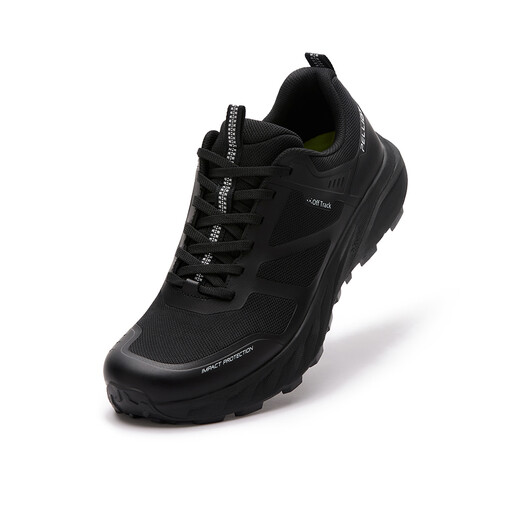
Why it suits this profile: The unisex design is intended for versatile use, from urban routes to off-road paths. The model is available in several fits and sizes.
The product information lists both a breathable mesh and woven upper and an EVA midsole. This means you do not have to rely solely on general marketing terms.
Lightweight upper, EVA foam and ROCKYTEC rubber according to the product specifications.
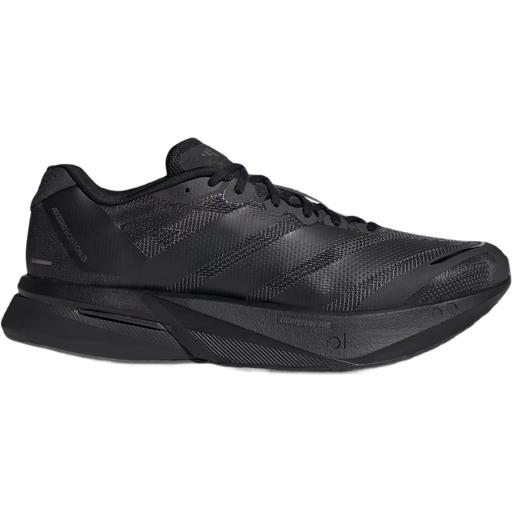
Why it suits this profile: According to the product description, this model is designed for intensive training, tempo runs and race preparation. The fit wraps around the midfoot.
The product information specifies a Lightstrike Pro midsole, ENERGYRODS and a Lighttraxion outsole with Continental Rubber, rather than simply promising “fast cushioning”.
Textile upper, specified midsole technology and Continental Rubber at the forefoot.
Why it suits this profile: This model is designed for runners who combine different routes: tarmac, park paths and trail-like terrain. According to the product information, the outsole is designed to provide grip on wet and loose surfaces.
The description explicitly mentions the rubber compound, durability and standard and slim-fit options. However, check which version you are ordering.
Mesh and woven fabric, high-elasticity EVA foam and ROCKYTEC rubber according to the product details.
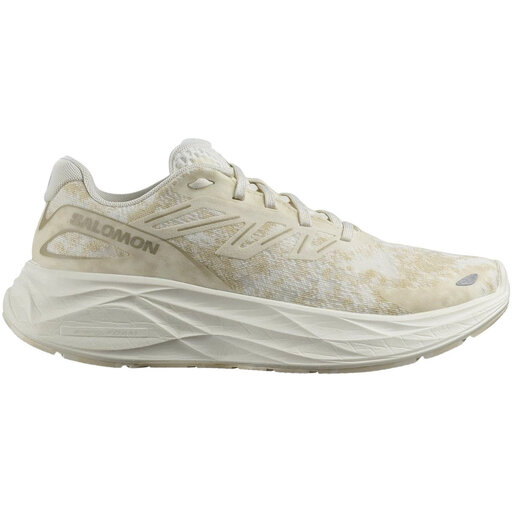
Why it suits this profile: According to the product information, these women’s running shoes are intended for hard surfaces such as tarmac and for urban training routes.
Its suitability for hard surfaces is clearly stated. This makes the choice clearer than with a model described only as a versatile trainer.
Textile and synthetic upper, lace-up fastening and a rubber sole according to the product details.
We have put together a complete, up-to-date list of products that fully meet these strict selection criteria and the applicable European safety regulations.
Their lifespan depends on your weight, running style, training frequency, running surface and maintenance. Do not focus solely on mileage. Replace your shoes when the sole shows visible uneven wear, the cushioning feels noticeably different or the upper loses its structure. If you alternate between tarmac and trails, using a separate shoe for each surface can help reduce wear.
They can be, but weight is only one criterion. Also check the fit, cushioning and stability. A lightweight shoe with a narrow or firm construction will not suit every beginner. Start with short training sessions and watch for pressure points, heel slip and sufficient room around the toes.
Many models can also be worn as everyday trainers, especially those with a flexible sole and breathable upper. For intensive running, it is still sensible to use the shoe on the appropriate surface. Trail running shoes can be worn on tarmac, but an aggressive tread may wear more quickly there and feel less flexible.
