
Vandaag of morgen in huis

Kwaliteit gegarandeerd

Welkomstaanbiedingen ontgrendelen: GRATIS bezorging | Tot 80% korting | Gratis 30 dagen JoyPlus-proefperiode
Download de app
Choosing a new pair of running shoes may seem straightforward at first. However, an attractive price, a well-known brand name or terms such as “extra cushioning” can create the wrong impression. The right shoe mainly depends on how you use it, your foot shape, the surface you run on and your size.
Lightweight running shoes feel comfortable when you try them on, but a low weight does not automatically indicate good cushioning, stability or grip. A flexible model may be suitable for tarmac, while woodland paths require deeper tread and more protection.
A brand may place a strong emphasis on ventilation, but always check the construction. Mesh or sandwich mesh generally allows more air through than a largely closed synthetic outer layer. That does not make a shoe waterproof. In rainy Dutch conditions, an open upper may actually let moisture in more quickly.
A size 43 from one brand may fit differently from a size 43 from another. That is why you should check your foot length in millimetres or centimetres and confirm whether the model has a regular, narrow or wide fit. Especially when buying running shoes in sizes 41 to 47, it is wise to follow the size chart for the specific product.
The midsole largely determines how the shoe feels. EVA foam is often used to combine responsiveness with shock absorption. According to the product description, Adidas uses Dreamstrike foam in the Supernova Ease; the Ultrarun 5 is described as featuring Bounce 2.0. These are product specifications, but how they feel personally still depends on your running style, build and the surface you run on.
Look out for:
A mesh upper can be suitable for warm days, indoor training and everyday use. According to the product information, the Adidas Supernova Ease has a breathable mesh upper. The Skechers Summits features a knitted mesh upper and a slip-on construction with elastic laces.
When choosing breathable sports shoes, you should also pay attention to reinforcements. A thin upper often offers good ventilation, but may provide less protection against branches, stones or sharp edges. For trail running, a more abrasion-resistant outer layer is usually more practical.
For tarmac and paving, a rubber sole with a flatter tread is often sufficient. On mud, wet leaves and loose ground, a deeper tread is more useful. Trail running shoes should also provide sufficient grip and torsional stability.
PELLIOT specifies a ROCKYTEC rubber outsole. According to the product description, it is designed to provide grip on surfaces including wet rocks, mud and sand. Some versions mention Vibram Megagrip; check the variant on the product page before taking this feature into account.
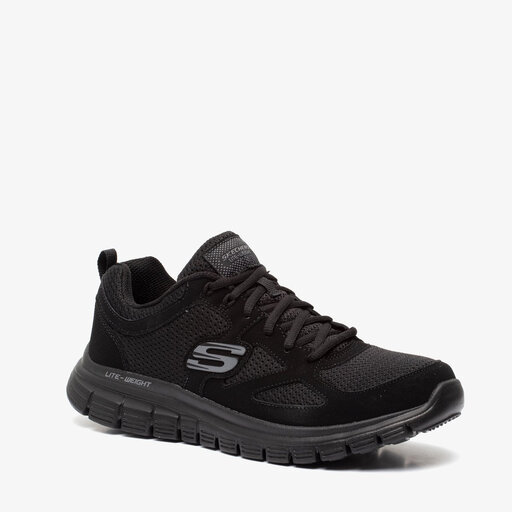
Why it suits this profile: This model is designed for everyday use and light training. Its regular fit, lace-up fastening and mesh panels make it a straightforward choice for anyone looking for a versatile sports shoe.
The product information lists a rubber outsole, mesh panels and a fixed Memory Foam insole. This makes its intended use clearer than a general claim about comfort.
Regular fit in EU 42, synthetic leather upper with mesh, and a rubber sole with tread.
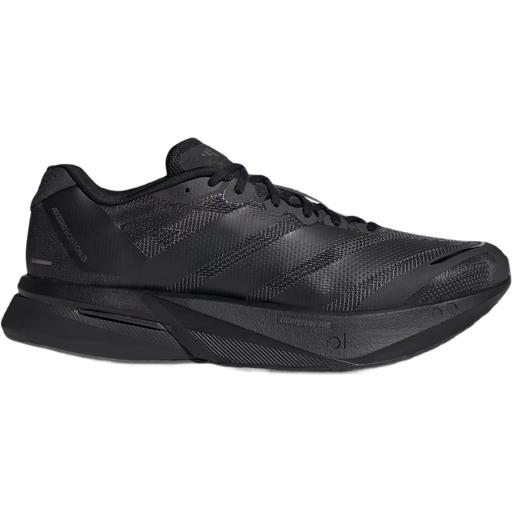
Why it suits this profile: The product description positions this model for intensive training and race preparation. It is therefore suited to runners looking for a performance-focused shoe rather than a purely casual model.
Rather than simply describing the shoe as “lightweight”, Adidas specifies a Lightstrike Pro midsole, ENERGYRODS and a Lighttraxion outsole with Continental Rubber. According to Adidas, these components are designed to provide responsiveness and grip; check whether they suit the way you run.
Textile upper, the specified ENERGYRODS construction and EU size 39 1/3 with a stated foot length of 246 mm.

Why it suits this profile: This model is designed for routes that move from tarmac to off-road paths. The combination of mesh, EVA and a rubber outsole suits users looking for one pair that works across multiple surfaces.
The description mentions more than ventilation, including a high-elastic EVA midsole, ROCKYTEC rubber and an abrasion-resistant upper. According to PELLIOT, the sole is designed to provide grip on wet rocks, mud and sand; check your chosen version, as features may vary between variants.
Sandwich mesh and woven textile, EVA midsole, ROCKYTEC rubber outsole, and a choice of regular or narrow fit.
We have put together a complete, up-to-date list of products that fully meet these strict selection criteria and the applicable European safety regulations.
Measure both feet at the end of the day, when they are usually slightly larger. Compare the longer foot with the size chart and take your running socks into account. For example, PELLIOT’s stated chart ranges from EU 39 to EU 45, with foot lengths from 245 to 275 mm. A narrow version is not automatically suitable for every narrow foot; fit is always personal.
Proper care extends the useful life of your shoes:
It is not possible to give a fixed lifespan for every pair. Training frequency, body weight, running surface, technique and storage all affect wear. Replace your shoes when the cushioning feels noticeably different, the sole wears unevenly or the upper no longer holds your foot securely.
The price depends on the materials, construction, brand and intended use. A shoe for everyday use does not need the same technical components as a model for intensive training. So compare the midsole, outsole, fit and available sizes first. This helps you avoid paying solely for a brand name.
Yes, many models are suitable for walking or everyday use, particularly when they have a comfortable midsole, flexible construction and rubber outsole. Trail running shoes can be worn on roads, but a deeper tread may wear more quickly on tarmac and feel less flexible.
The heel should remain stable without creating pressure points. There should be some room around the toes so they do not touch the front of the shoe while running. Tighten the laces while wearing your usual socks and test both shoes. A regular fit is not the same as a wide fit, so always check the stated width and foot length.
