
Vandaag of morgen in huis

Kwaliteit gegarandeerd

Welkomstaanbiedingen ontgrendelen: GRATIS bezorging | Tot 80% korting | Gratis 30 dagen JoyPlus-proefperiode
Download de app
Buying a pair of running shoes seems simple, until you realise after a few runs that the shoe is too narrow, does not provide enough grip or is really intended as a comfortable trainer. Marketing terms such as “extra cushioning”, “lightweight” and “breathable” do not tell you much on their own. The construction, intended use and size determine whether a shoe suits your feet and your route.
In this guide from the Joybuy Product Recommendation Officer, you’ll discover what to look for in women’s running shoes, men’s running shoes and trail running shoes. We’ll also discuss several models suited to different situations.
Some Skechers running shoes are also described in product copy as trainers for everyday use. That can be useful for walking, commuting or light exercise, but it does not automatically mean the shoe is suitable for regular running training. Check whether the sole, midsole and upper are described as being designed for running or primarily for everyday comfort.
Cushioned running shoes often feel pleasant when you try them on. However, a soft sole is not suitable for every runner or surface. On tarmac, you mainly need a predictable transition and sufficient durability. On muddy woodland paths, deep tread grooves and a rubber outsole are more important. A highly cushioned shoe without sufficient stability may also feel less comfortable on bends or uneven ground.
A regular fit is not the same as a roomy fit. If you have wide feet, running shoes with a wide toe box may be more suitable. Your toes should be able to spread as you run without pressing against the front. Measure both feet at the end of the day and compare the foot length with the brand’s size chart. A size 37 running shoe may fit differently depending on the model.
The midsole largely determines how the shoe feels. EVA foam is widely used in lightweight running shoes because it combines low weight with springiness. Don’t just look for the term “cushioning”; also consider:
According to the product description, the PELLIOT Running Shoes range features an EVA midsole with cushioning and rebound. This is a product specification provided by the seller; exactly how it feels will vary from runner to runner and depending on the surface.
For outdoor running shoes, the outsole is at least as important as the cushioning. A flatter tread is usually better suited to tarmac and paved paths. Trail running shoes often have deeper lugs for mud, sand and loose ground.
The Salomon Speedcross 5 GTX W lists a Contagrip TA outsole with deep grooves. According to the product description, this tread is intended for soft and mixed terrain. For wet Dutch woodland routes, this type of design may be more practical than a smooth road outsole, although a coarse tread may feel less fluid on tarmac.
Breathable running shoes often use mesh or woven fabric in the upper. This can help with ventilation during longer activities. However, completely open mesh offers less protection against rain and branches. For changeable weather, a membrane such as GORE-TEX may be worth considering. According to the product information, the Salomon mentioned above features a GORE-TEX membrane that combines water resistance with breathability. This is a brand specification and does not guarantee that your feet will stay dry in all conditions.
For trail running, a hard-wearing upper is useful. For everyday use, a softer textile model may be more comfortable. Choose based on your route and activity, not just on appearance.
The selection below is based on stated features such as material, fit, sole type and intended use. Always check current stock, size availability and the full product information before ordering.
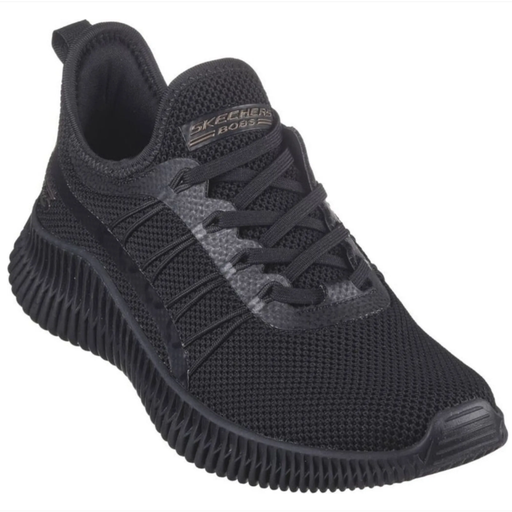
Why it suits this profile: This women’s model is designed for everyday use, walking and light activities. The regular fit, lace-up fastening and textile upper make it a practical choice for anyone looking for one pair for everyday occasions.
The product information clearly states that this is a low-profile trainer with a regular fit and rubber sole. This makes it clear that it is primarily an everyday model, rather than automatically assuming it is a technical running shoe.
Textile upper, rubber sole, lace-up fastening and size 37 with a regular fit.

Why it suits this profile: This women’s model is intended for trail running on muddy or mixed terrain. The combination of GORE-TEX, a deep-groove tread and Quicklace is relevant for runners who often train outdoors.
The product description mentions the specific trail use and sole construction. You therefore do not have to rely solely on the word “sporty” or on the appearance.
GORE-TEX membrane, Contagrip TA tread, Quicklace system and EnergyCell+ midsole according to the product information.

Why it suits this profile: This unisex model is designed for use on everything from urban roads to unpaved paths. It suits runners looking for a lightweight shoe with a breathable upper, EVA cushioning and a versatile tread.
The product information states both the intended use and the available foot shapes: standard and narrow versions are available. However, check which version you select before ordering.
Sandwich mesh and woven textile, EVA midsole, ROCKYTEC rubber and a size chart based on foot length.
We’ve put together a complete, up-to-date list of products that fully meet these strict selection criteria and the applicable European safety regulations.
Try on running shoes with the socks you wear when running. Leave approximately a finger’s width of space in front of your longest toe and check that your heel does not lift. If you have wider feet, you do not necessarily need a larger size; a wider last or toe box may be more suitable.
Let shoes dry at room temperature after a wet training session. Do not use a radiator or tumble dryer, as heat can damage the glue and foam. Washing instructions vary by model. The PELLIOT product information recommends hand-washing with mild soapy water and drying away from direct heat. Some Skechers models are listed as suitable for careful washing. Always follow the instructions on the product page and label.
Durability depends on body weight, running frequency, surface, care and wear. Look out for a smooth tread, unevenly worn soles, lasting creases in the midsole or reduced support. Do not replace a pair solely based on a fixed number of kilometres.
For beginners who mainly run on tarmac, lightweight running shoes with a regular fit and moderate cushioning are often a practical starting point. If you mainly walk or prioritise everyday use, you could also consider a comfortable trainer, as long as your expectations are clear.
There is no fixed timeframe. Check the tread, sole and fit regularly. If the outsole is badly worn or the shoe no longer feels stable, replacing it is wiser than looking only at the purchase date.
They can be used for short stretches, but a coarse trail tread is designed for loose or soft ground. If you mainly run on tarmac, road models generally make more sense. Choose trail running shoes when grip and protection on woodland ground, sand or mud matter more to you than a smooth transition on the road.
