
Vandaag of morgen in huis

Kwaliteit gegarandeerd

Welkomstaanbiedingen ontgrendelen: GRATIS bezorging | Tot 80% korting | Gratis 30 dagen JoyPlus-proefperiode
Download de app
A pair of running shoes may look lightweight, breathable and durable on paper, but that doesn’t automatically mean they’re right for the way you run. A road shoe behaves differently from a trail running shoe on muddy paths. And a waterproof design isn’t always practical for everyday runs in dry weather.
So the most important question isn’t which brand is best known, but which features suit your terrain, running distance and foot shape.
Plenty of cushioning can feel comfortable when you try a shoe on, but a soft midsole tells you little about stability, weight or grip. For short runs on the road, a soft EVA or Cloudfoam midsole can feel comfortable. On uneven woodland paths, you’ll also need a tread pattern and construction that provide enough grip.
So look at the combination of:
Mesh is comfortable in warm weather and during intense use, as it allows air and moisture to escape more easily. However, it isn’t the same as a waterproof membrane. For rainy walks or wet trails, a model with GORE-TEX may be more practical.
A waterproof running shoe, on the other hand, may feel warmer and be less breathable. So don’t automatically choose waterproofing if you mainly run on dry cycle paths or at the gym.
European sizes vary by brand and model. A size 43 in one pair may fit differently from a size 43 1/3 in another model. Measure both feet at the end of the day and compare your foot length in millimetres or centimetres with the product’s size chart.
Also check:
Cushioned running shoes are particularly useful if you often run on the road or cover longer distances. EVA foam is widely used and can create a lightweight, flexible construction. For example, the adidas Runfalcon 5 has a Cloudfoam midsole and an Ortholite insole, according to the product description. The model is listed for road use and distances of 0 to 10 kilometres.
Some brands use other foam technologies to create a more responsive feel. According to the Salomon Pulsar Trail product description, this model uses Energy Foam and Energy Blade. These features are designed for trail running on relatively smooth terrain. Treat such brand claims as product specifications and focus on whether the shoe suits your running style.
A flatter rubber tread is often enough for roads and paved paths. For trail running, deeper lugs, a more durable outsole and a sturdier toe cap are more important. According to the product specifications, the Salomon Speedcross 6 has an aggressive Contagrip outsole, while the Pulsar Trail is listed with a 3.5 mm lug pattern.
For running shoes for road and trail, you need a compromise: not too rugged for paved roads, but with enough tread for sand, woodland paths and loose stones. According to the product description, PELLIOT models use a ROCKYTEC rubber outsole. Vibram Megagrip is listed on selected versions. Check which version you’re choosing, as this feature may not apply to every variant.
For wide feet, extra room in the forefoot is often more important than simply choosing a larger shoe size. A shoe that’s too long may slip at the heel. The Salomon X Ultra 4 Mid Wide GTX is specifically described as a wide-fit version and is designed for walking and trekking. According to the product description, the LI-NING YUEYING 6 has a wider toe box; for wider feet, going up half a size is suggested as an option.
According to the product information, PELLIOT offers standard and slim-fit versions. The standard version is designed for normal to wider feet, while the slim version is narrower. Always check the current size chart and version before ordering.
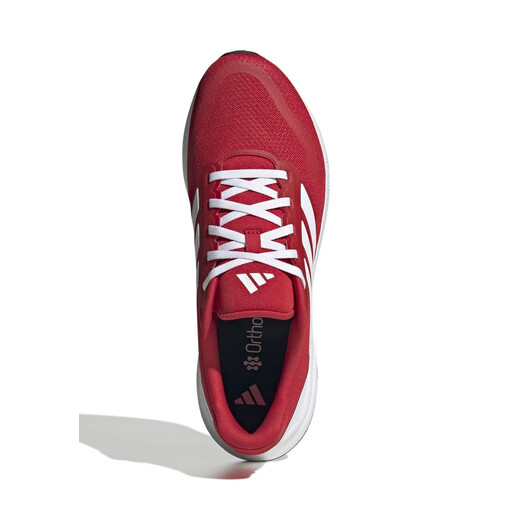
Why it suits this profile: An accessible option for short road runs, everyday wear and beginners who don’t need a trail tread pattern.
The product description clearly specifies road use and short distances, so you won’t end up buying this model unnecessarily for technical terrain.
Cloudfoam midsole, breathable mesh and Adiwear rubber outsole, according to the product specifications.

Why it suits this profile: For anyone looking for one pair of shoes for trail running, walking and rougher outdoor terrain in changeable British weather.
The GORE-TEX membrane, 3D Advanced Chassis and Contagrip outsole are specific features, rather than just general claims about comfort.
Waterproof GORE-TEX construction, Quicklace system and stability features, according to the product information.
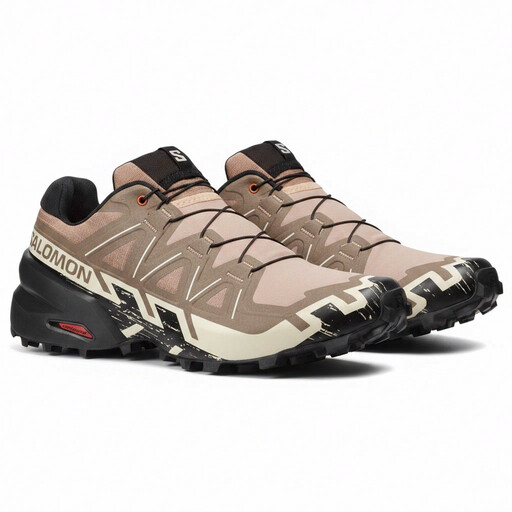
Why it suits this profile: Designed for trail runners who regularly tackle muddy, loose or technical paths and value grip over road comfort.
Its distinctive trail tread makes it clear that this isn’t a flat-soled road shoe for muddy terrain.
Aggressive Contagrip outsole, EnergyCell cushioning and SensiFit system, according to the product specifications.
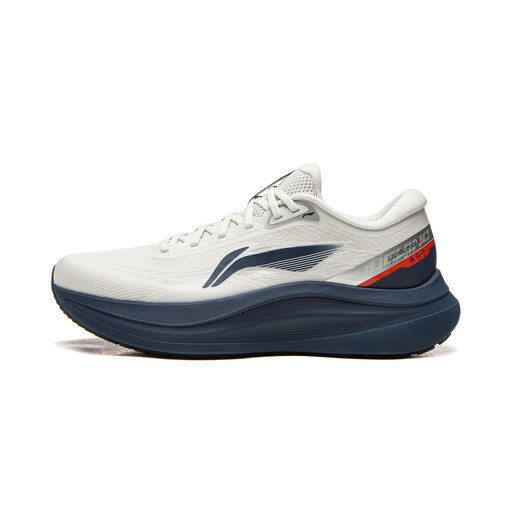
Why it suits this profile: An option for runners looking for extra room around the toes and a stable feel during outdoor sports.
The product description specifies a wide toe box and gives a clear sizing option for wider feet.
Full-length Tempo Bounce midsole, rubber outsole and wider fit, according to the product information.
We’ve put together a complete, up-to-date list of products that meet these strict selection criteria and the applicable European safety regulations.
How long running shoes last depends on your body weight, how often you run, the terrain and how you care for them. A lightweight mesh shoe may show signs of wear sooner if you often run in it on stony paths. Check regularly:
Clean your shoes with a soft brush or damp cloth, depending on the care instructions. Many models shouldn’t be put in the washing machine or tumble dryer. Leave them to air-dry, away from direct heat. This helps prevent damage to the glue, foam and synthetic materials.
There’s no set lifespan. Don’t just consider how long you’ve had them; look at wear on the sole, deformation of the midsole and reduced comfort. If you run mainly on roads, you may notice wear sooner than someone who alternates between walking and light training in their shoes.
They can be, especially in the rain, on wet grass and on muddy routes. A membrane such as GORE-TEX helps keep moisture out, according to the product specifications. In warm, dry conditions, breathable mesh running shoes may feel more comfortable.
They can work for short walks and everyday use, provided the fit and grip are suitable. For long walks, trekking or technical terrain, walking or trekking shoes are often a better choice thanks to their specific soles, support and protection. Always check the model’s intended use before ordering.
