
Vandaag of morgen in huis

Kwaliteit gegarandeerd

Welkomstaanbiedingen ontgrendelen: GRATIS bezorging | Tot 80% korting | Gratis 30 dagen JoyPlus-proefperiode
Download de app
New running shoes may seem easy to choose at first. But small differences in fit, cushioning and sole can have a big impact on comfort. A shoe that feels good on a short walk may not be right for longer runs, muddy paths or everyday wear.
Joybuy Product Recommendation Officer filters the most important product information, helping you turn marketing terms into practical buying criteria.
Lightweight running shoes can feel comfortable, but a low weight says nothing about fit, stability or grip. A thin sole isn’t automatically suitable for roads, and a sturdy trail sole may feel less comfortable on smooth shop floors.
So consider the combination of weight, midsole and running surface. For recreational road running, an elastic EVA midsole is often worth looking for. On trails, grip, durability and how securely the shoe holds your foot are especially important.
Product descriptions often use terms such as rebound, shock absorption and maximum cushioning. According to the brands’ own product information, these features can contribute to comfort, but they don’t guarantee a particular running experience or prevent discomfort.
A soft sole won’t feel right for everyone. Also consider heel stability, forefoot width and how the shoe bends. If you’re looking for a firmer base, consider stable running shoes with a well-secured heel.
Sizing varies between brands and models, so “true to size” is only a guide. Measure both feet at the end of the day, wear the socks you’ll run in and compare your measurements with the product’s size chart.
Some room around the toes is useful for running. Your toes shouldn’t touch the front of the shoe when running downhill, but your foot shouldn’t slide around either. If you’re looking for shoes with a wide toe box, check the last and available width as well as the length.
An upper made from sandwich mesh, woven textile or another mesh fabric can help release heat and allow air to circulate. This is especially relevant for breathable sports shoes and longer training sessions in warmer weather. Check whether the fabric is reinforced in vulnerable areas, though. Fully open mesh may be less suitable for twigs, stones and wet conditions.
For rainy routes, a water-repellent or waterproof layer may be worth considering. This can affect ventilation. According to Salomon’s product description, the GORE-TEX layer is designed to keep water out while remaining breathable. This is a brand claim about the design, not a guarantee that your feet will stay dry in all conditions.
The midsole plays a major part in how the shoe rolls through your stride. EVA foam is widely used for its combination of low weight and responsiveness. Check:
Cushioned running shoes aren’t just for long distances. An elastic midsole can also be comfortable for walking, fitness and everyday wear. Choose your level of cushioning mainly according to the surface you run on and your personal preference.
For roads, a rubber sole with a relatively flat tread is often enough. For woodland paths, sand and mud, grippy running shoes with deeper lugs and rubber zones are more useful. A trail tread can provide better grip on wet rocks and loose surfaces, but may feel less flexible on hard, flat floors.
Check the durability, too. According to PELLIOT’s product description, the ROCKYTEC outsole is designed to provide grip on surfaces including wet rocks, mud and loose sand. This is a stated product specification; actual grip also depends on your speed, the surface and wear.

Why it suits this type of runner: This unisex model is designed for everything from city roads to light trails. Its lightweight upper, EVA midsole and rubber outsole make it a good fit for beginners looking for one pair of shoes for a range of outdoor activities.
The product information lists both the midsole and outsole types. This means you can assess the shoe based on specific materials rather than general comfort claims alone.
Sandwich mesh and woven textile; elastic EVA midsole; ROCKYTEC rubber outsole; available in standard and narrow fits.

Why it suits this type of runner: This women’s model is specifically designed for trail running and mixed, softer surfaces. Its GORE-TEX membrane, deep tread and Quicklace system make it a good match for runners who often train outdoors.
The outsole isn’t simply described as “grippy”: the product description specifies Contagrip TA with deep lugs for loose and mixed terrain. This makes it clearer which surfaces the shoe is designed for.
GORE-TEX membrane according to the product description; EnergyCell+ midsole; deep tread; Quicklace fastening and SensiFit construction.
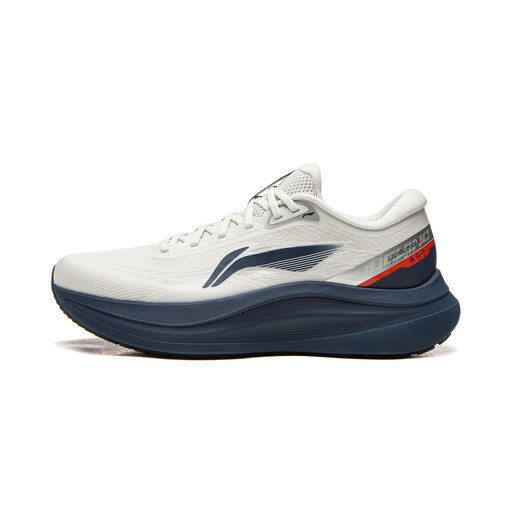
Why it suits this type of runner: This men’s model is designed for runners who value extra room in the forefoot and a stable fit. The product information mentions a wider toe area, an expanded heel and support for outdoor use.
The sizing advice takes wider feet and a preference for more room around the toes into account. Still, check your foot length and try the shoes on with your usual running socks.
Full-length Tempo Bounce EVA midsole; wider toe box according to the product description; rubber outsole with traction zones; PROBAR LOC support.
Whenever possible, try running shoes on indoors and compare both feet. Check that your heel doesn’t lift and that your toes can move freely. Men’s and women’s running shoes can fit differently even in the same size, due to differences in the last and shape.
Good care helps your shoes last longer:
There’s no set lifespan for every model. Distance, body weight, surface, running style and care all play a part. Check regularly for cracks, smooth patches on the outsole and a midsole that has permanently compressed.
We’ve put together a complete, up-to-date list of products that meet these strict selection criteria and the applicable European safety regulations.
There’s no universal mileage figure. Check the condition of the outsole, midsole and upper. If the cushioning starts to feel noticeably uneven or the sole is smooth in places, it may be time for a new pair.
Yes, as long as the model is comfortable and suitable for the surfaces you walk on. Trail running shoes with deep lugs are practical on unpaved paths, but aren’t always comfortable for extended walking on hard floors.
No. Price may reflect the materials, construction or brand positioning, but comfort still depends on fit, foot width, cushioning and how you use the shoes. So compare the specific features and size chart first.
