
Vandaag of morgen in huis

Kwaliteit gegarandeerd

Welkomstaanbiedingen ontgrendelen: GRATIS bezorging | Tot 80% korting | Gratis 30 dagen JoyPlus-proefperiode
Download de app
Buying new running shoes seems simple until you have to choose between cushioning, stability, grip, weight and fit. A model that feels comfortable during a short walk may be less suitable during a longer training session. Marketing terms such as “maximum cushioning” or “all-terrain” only mean something once you understand the materials and construction behind them.
The following points will help you compare more effectively. They apply to men’s running shoes, women’s running shoes, trail models and sporty trainers for everyday wear.
A soft midsole feels comfortable when you try the shoe on, but that does not automatically mean it suits your running style or terrain. Pay attention to the material and construction. EVA, Cloudfoam, Dreamstrike and Bounce are different foam constructions, each with its own feel. According to the relevant brands’ product descriptions, these materials are designed to provide cushioning or responsiveness; the experience may vary from person to person.
For short training sessions on tarmac, cushioned running shoes are often practical. For a stable feel during everyday use, a slightly firmer model may be more comfortable.
Lightweight running shoes can feel pleasant, but a low weight says little about the fit, heel hold or torsional stiffness. Over longer distances or on uneven terrain, a well-fitting heel and sufficient support are more important than a difference of a few grams.
So check whether the shoe has a standard or wide last, how the lacing system works and whether the heel and toe areas are reinforced.
Trail running shoes generally have a deeper tread for mud, loose stones and off-road terrain. On smooth tarmac, this type of outsole may feel less fluid and wear out more quickly. Conversely, a flat road outsole provides less grip on wet woodland paths or loose surfaces.
When choosing running shoes for outdoor use, base your decision on the route you use most often: tarmac, park paths, woodland tracks or technical trail terrain.
A running shoe should fit securely around the midfoot without pinching. There should usually be a little extra room for the toes, as feet can expand during movement. Do not look only at the EU size; also check the stated foot length, width and size advice.
Watch out for unusual sizing recommendations. For example, the Skechers Arch Fit-Big Appeal is listed as having a standard fit, but the product advice states that it comes up large and recommends ordering one size smaller. With adidas models, the product name and technical size information may differ, so always check the current size guide on the product page before ordering.
The midsole largely determines how the shoe feels. Commonly used materials include EVA foam and brand-specific foam constructions. A higher or softer midsole can provide greater comfort, while a lower or firmer design offers more direct contact with the ground.
For cushioned running shoes intended for everyday training, the adidas Galaxy 7 and Runfalcon 5 are examples featuring Cloudfoam and Cloudfoam with an Adiwear outsole respectively. According to adidas, these models are designed for comfort during road training and short to medium distances. Check whether that matches how and how fast you run.
For wet Dutch cycle paths and tarmac, a rubber outsole with sufficient tread is practical. For trail running, tread shape, rubber compound and reinforcement around the toes are more important. A waterproof membrane keeps rain out more effectively, but may feel less breathable than open mesh.
According to its product description, the Salomon XA Pro 3D v9 GTX uses a GORE-TEX membrane, a Contagrip outsole and a 3D Advanced Chassis. These are verifiable product specifications, but they do not automatically make the shoe suitable for every foot or route.
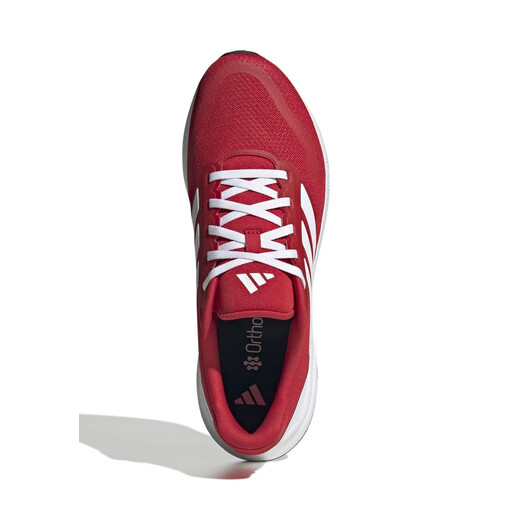
Why it suits this profile: A practical choice for short road runs, walking and everyday use. The mesh upper is designed to promote ventilation, while the Cloudfoam midsole provides soft underfoot comfort.
The product description specifically mentions mesh, Cloudfoam, Ortholite and Adiwear, so you do not have to rely solely on the term “lightweight”.
Mesh upper, Cloudfoam midsole and Adiwear rubber outsole; designed for road training over 0–10 km according to the product information.
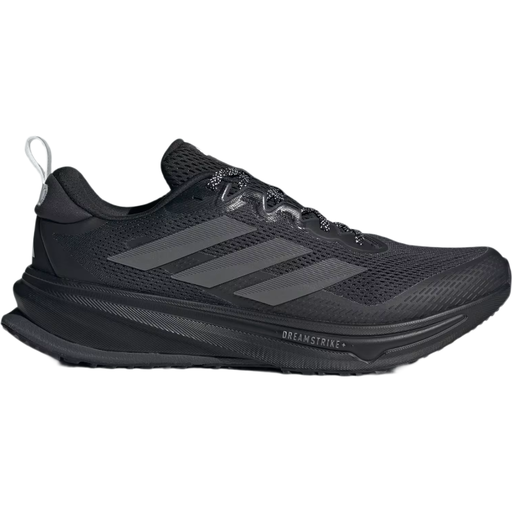
Why it suits this profile: Suitable for anyone looking for a sporty shoe with adjustable laces, a cushioned insole and materials designed for regular use.
The choice is based on the materials and fastening system listed, rather than general performance claims.
Textile and synthetic upper, cushioned insole and synthetic rubber outsole.
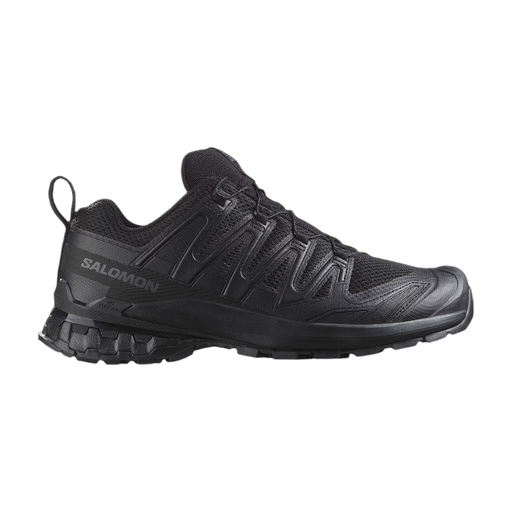
Why it suits this profile: Designed for trail running, walking and wet or rugged routes where grip, protection and water resistance are important.
The shoe uses a trail-specific outsole and reinforced zones, so the choice is not based solely on cushioning or appearance.
GORE-TEX membrane according to the product description, Quicklace fastening, Contagrip rubber and 3D Advanced Chassis.
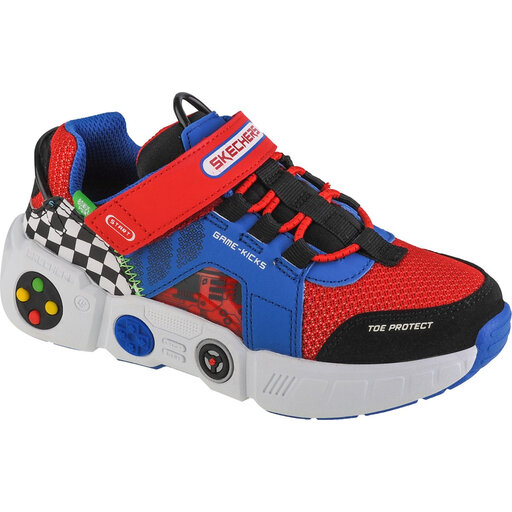
Why it suits this profile: These low-top Skechers trainers are designed for boys and combine a hook-and-loop fastening with a standard fit for school, sports and play.
The specifications state the fastening system, width, fit and material, allowing parents to check whether the shoe is suitable.
Hook-and-loop fastening, synthetic leather upper, rubber sole and standard fit; order according to the stated usual size.
We have compiled a complete, up-to-date list of products that fully meet these strict selection criteria and the applicable European safety regulations.
Lifespan depends on body weight, running frequency, terrain and care. A pair used on tarmac every day will wear differently from shoes worn indoors only. Regularly check the tread, cracks in the midsole and wear around the heel.
Only wash shoes according to the product label. Many models in this overview must not be put in the washing machine. A damp cloth, mild soap and allowing them to air-dry naturally are often the recommended methods. Avoid radiators and direct heat, as these can cause materials to warp.
There is no fixed timeframe. Look for visible wear and changes in cushioning rather than considering only the purchase date. With frequent use, alternating between two pairs can help both pairs air out and recover between wears.
Yes, many models can also be used as walking shoes, particularly those with a standard fit, breathable upper and rubber outsole. Trail models may feel heavier or stiffer on everyday tarmac. For walking on woodland tracks, however, their tread can be particularly practical.
The main difference is usually in sizing, the last and available widths, rather than just the colour. Always check the foot length, shoe width and individual size advice. A women’s model can be suitable for any wearer if the fit is right, and the same applies to men’s running shoes.
