
Vandaag of morgen in huis

Kwaliteit gegarandeerd

Welkomstaanbiedingen ontgrendelen: GRATIS bezorging | Tot 80% korting | Gratis 30 dagen JoyPlus-proefperiode
Download de app
A pair of running shoes may look lightweight, breathable and comfortable in photos, but that tells you little about how they’ll perform on a run through town, along wet woodland paths or at the gym. Many disappointing purchases happen because people focus only on the brand, colour or discount.
The main pitfalls:
The midsole largely determines how a shoe feels when you run. Many models use EVA foam or a brand-specific version of it. Look out for:
Cushioning alone doesn’t guarantee quality. A very soft sole may feel comfortable on easy runs, while a firmer model can give you a more direct feel for the ground. Choose according to your pace, distance and running surface.
For summer days in the Netherlands, indoor training and longer walks, breathable running shoes are often more practical than fully enclosed models. Mesh generally lets more air through than dense synthetic materials. Check the lining and insole, too.
According to the product description, the adidas Runfalcon 5 has a mesh upper and an Ortholite insole. PELLIOT’s description mentions a sandwich mesh and woven upper. These specifications give you a clearer picture than the word “breathable” alone.
Bear in mind the trade-off: a very open upper allows airflow, but may offer less protection from rain, branches or splashing dirt.
If you’re looking for running shoes with good grip, check the outsole material and tread. For tarmac, cycle paths and park paths, a rubber sole with a shallower tread is often enough. For trail running, deeper lugs and a more hard-wearing sole are more relevant.
Look out for the difference between:
Always consider the surface mentioned alongside any claim about grip. “Good grip” on dry tarmac doesn’t automatically mean the same performance on wet clay.
Men’s running shoes, women’s running shoes and unisex running shoes don’t always differ greatly in their construction. The stated size, last and available widths are often more important than the label. Measure both feet at the end of the day and compare the longer foot with the size chart.
Leave about a little-finger’s width of space in front of your longest toe. Your foot moves forwards as you run, especially downhill. A shoe that fits snugly when you’re standing still may feel too tight on the move.
For everyday wear, comfortable sports shoes or trainers may be enough. For regular running sessions, cushioning, heel lockdown and tread are more important than a fashionable look. New Balance trainers, Skechers trainers and Lacoste lifestyle models may be suitable for walking or everyday wear, but check whether the product description actually lists running as an intended use.
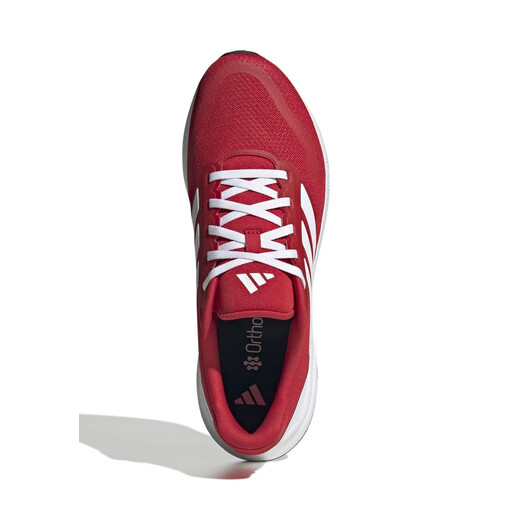
Why it suits this profile: A practical choice if you’re easing into road running and want one pair for short distances and everyday exercise.
The product description specifically mentions a mesh upper, Cloudfoam midsole and Adiwear outsole. That means you can check the features instead of relying on the brand name alone.
Mesh upper, Cloudfoam midsole, Ortholite insole and lace-up fastening. This model is listed for road use and distances of 0–10 km.
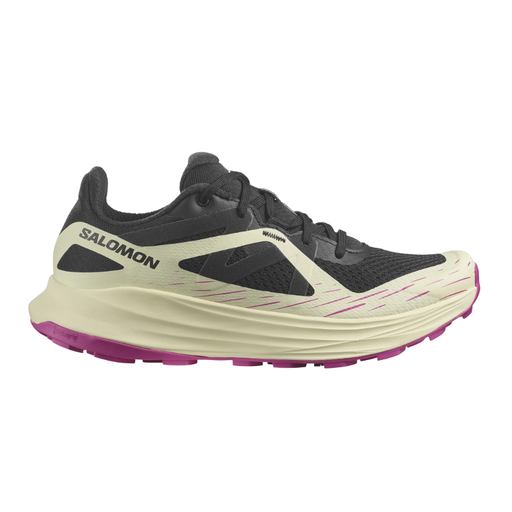
Why it suits this profile: For runners who regularly switch between tarmac, park paths and light trails, and don’t want to buy two different pairs of shoes.
The description specifies a sole for mixed terrain. That’s clearer than a general all-terrain claim that gives no details about the surfaces it’s designed for.
EVA midsole, soft synthetic upper and rubber outsole with lugs for mixed terrain. The product information lists the shoes for both road and trail use.

Why it suits this profile: An option if you combine running with trail running and value a lightweight upper and a sole suited to changing surfaces.
The specifications mention standard and slim fits, a sandwich mesh upper and ROCKYTEC rubber. Check that the version you choose actually has the specified sole variant.
Lightweight, breathable upper, EVA midsole and a treaded rubber outsole for mud, sand and rocky paths, according to the product description.
After a wet training session, let your shoes dry at room temperature. Don’t put them on a radiator or in a tumble dryer: heat can damage the glue, foam and synthetic materials. Once the mud has dried, brush it off gently with a soft brush, then follow the manufacturer’s cleaning advice.
Most running shoes won’t keep their original feel indefinitely. How long they last depends on your body weight, running style, running surface, training frequency and how well you look after them. Regularly check whether the tread is visibly worn smooth, the midsole has become permanently misshapen or the heel no longer feels secure. These are practical signs that it’s time to compare your options again.
We’ve put together a complete, up-to-date list of products that meet these strict selection criteria and the applicable European safety regulations.
There’s no fixed timeframe. Check for wear on the tread, tears in the upper and a loss of cushioning. If you often run on tarmac, your shoes may wear out faster than if you use them for a mix of walking and light training.
It depends on the fit and how they feel underfoot. A lighter shoe can feel comfortable, but check the cushioning, stability and support as well. Build up to longer distances gradually rather than choosing the lightest model straight away.
Yes, many models are suitable. Look for grip, comfort and durability. Regular running shoes aren’t always right for indoor sports or indoor football. Choose a model with a suitable non-marking sole, such as indoor football shoes.
