
Vandaag of morgen in huis

Kwaliteit gegarandeerd

Welkomstaanbiedingen ontgrendelen: GRATIS bezorging | Tot 80% korting | Gratis 30 dagen JoyPlus-proefperiode
Download de app
Buying running shoes seems straightforward, until you have to choose between soft cushioning, stability, a lightweight feel and grip. A pair that feels comfortable on a short training run won’t necessarily suit a long run, a marathon or an unpaved route. Popular sports shoes aren’t always suitable for running either.
The biggest pitfalls are often not about looks, but about details such as fit, the sole and what you’ll use the shoes for.
Words such as “energy return”, “race-ready” and “maximum support” only tell you so much unless you know what features are behind them. So check the midsole, the type of foam and the sole construction. A soft sole can feel comfortable, but not everyone finds it stable. A stiff plate may suit racing, but be less suitable for easy everyday training runs.
Road running shoes are designed for tarmac, cycle paths and other paved surfaces. For mud, loose stones or wet woodland trails, trail running shoes with a deeper tread and extra protection are a better choice. Conversely, trail shoes can feel heavier and less flexible on tarmac.
EU sizes can vary between brands and models. Check the stated foot length, the width of the shoe’s last and the room around your toes. Your feet may swell slightly during a longer run. A cramped toe box or a heel that slips can quickly cause irritation and make running uncomfortable.
Cushioned running shoes usually use EVA, a brand-specific foam or a combination of materials. The right choice depends on your preferences and the distance you run:
According to the product description, the adidas Supernova Ease M has a full-length Dreamstrike midsole. The Supernova Stride 2 combines Dreamstrike+ with EVA. These are verifiable product specifications; how the cushioning feels to you will still depend on your running style, the surface and your preferences.
Stable running shoes often have a wider base, a supportive heel construction or reinforcement around the midfoot. These features can feel reassuring if you want a secure landing. Also look for:
The LI-NING Yueying 6 is described in the product information as having a wider toe box, a widened heel and PROBAR LOC support. According to LI-NING’s product description, the model is designed for a roomier fit and use on a range of surfaces. If you have wide feet, always check the size guide and don’t choose based on the brand name alone.
A mesh upper helps with airflow, but won’t necessarily protect you from rain. For Dutch conditions, it’s useful to understand the differences between:
According to Salomon’s product description, the Salomon XA Pro 3D v9 GTX uses a GORE-TEX membrane to protect against wet conditions. The Contagrip sole and 3D Advanced Chassis are also brand product specifications. For dry road training, a trail shoe like this isn’t always the most obvious choice.
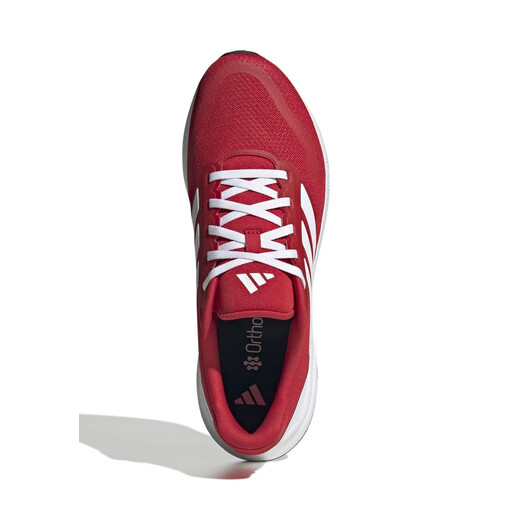
Why it suits this type of runner: A practical choice if you’re starting out with short road runs, walking or everyday wear and don’t need a dedicated racing shoe.
The product description clearly states that it’s for road use and distances of 0–10 km. That gives you a clearer idea of its purpose than a general sports shoe.
Cloudfoam midsole, mesh upper, OrthoLite insole and Adiwear rubber outsole, according to the product information.
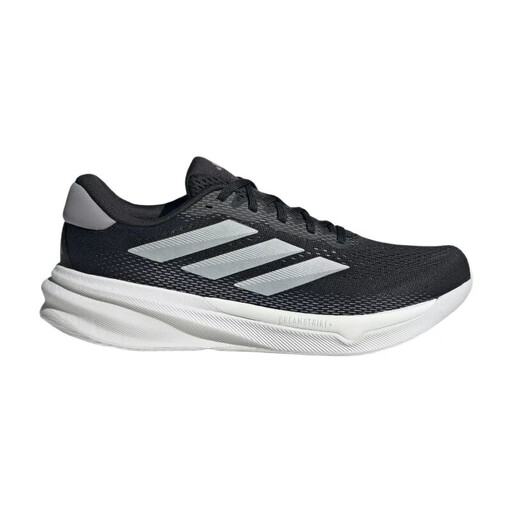
Why it suits this type of runner: Designed for runners building up their road distances and looking for a combination of cushioning, ventilation and grip.
The construction features a hybrid Dreamstrike+ and EVA midsole, plus an Adiwear outsole. You can therefore assess the shoe based on specific features.
Textile and synthetic mesh for airflow; Adiwear rubber for grip and durability, according to the product description.
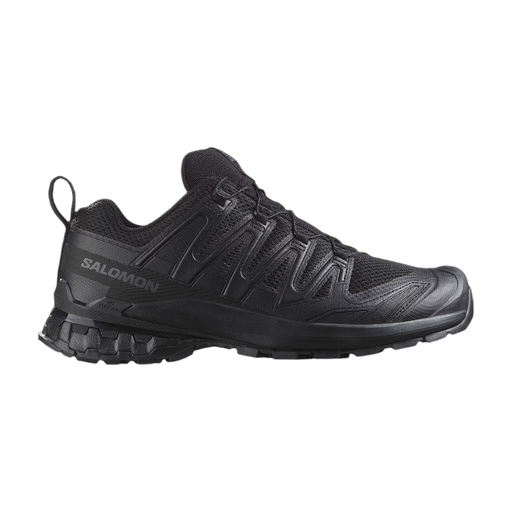
Why it suits this type of runner: A good choice for outdoor enthusiasts who combine trail running and walking on wet or technical paths.
The combination of GORE-TEX, a protective construction and a trail-specific sole makes its intended use clearer than that of a standard road running shoe.
GORE-TEX membrane, 3D Advanced Chassis, Quicklace and Contagrip rubber outsole, according to Salomon.
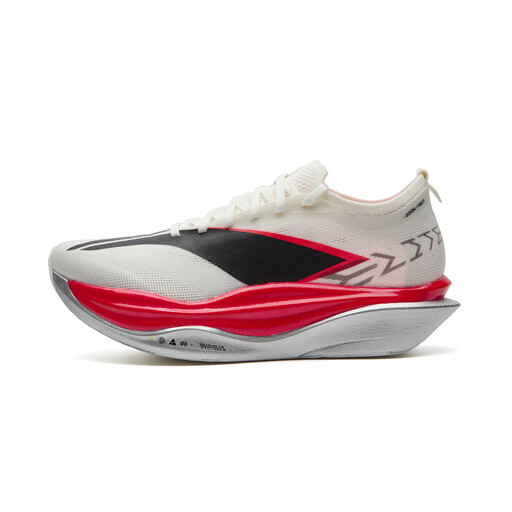
Why it suits this type of runner: For runners specifically looking for a road racing shoe who are happy with a snug, race-focused fit.
The product information explicitly mentions a race-focused fit and a carbon-fibre plate. This helps distinguish the model from an everyday training shoe.
According to LI-NING’s own product information: SUPER BOOM CAPSULE foam, a T1000 carbon-fibre plate and a GCU outsole.
We’ve put together a comprehensive, up-to-date list of products that meet these strict selection criteria and current European safety regulations.
Measure your feet at the end of the day, when they usually need a little more room. Compare your measurements with the size guide for the specific model. Try the shoes on with the socks you normally run in, and check that your heel doesn’t lift.
After a wet run, clean your shoes with a damp cloth and leave them to dry at room temperature. Avoid direct heat, such as a radiator. Check the outsole for wear, the upper for tears and the cushioning for signs of deterioration. How long a pair lasts depends on your body weight, running style, the surface, how well you care for them and how many kilometres you run. So don’t replace a pair based solely on a fixed mileage limit.
It varies by model and how you use them. Pay particular attention to the tread, the edges of the sole and how the shoes feel when you run. If the cushioning feels uneven, the shoes lose grip or the fit feels different, it may be time to replace them.
Some are. Road running shoes with a comfortable midsole, breathable mesh and a durable rubber outsole can also be worn for walking or commuting. A lightweight racing shoe or technical trail shoe won’t always be practical for everyday use.
It’s not just a question of the label. The fit, last, size range and colours available can vary between models. Choose based on your foot length, width, comfort and what you’ll use the shoes for. A women’s model may suit a man, and vice versa, as long as the fit is right.
