
Vandaag of morgen in huis

Kwaliteit gegarandeerd

Welkomstaanbiedingen ontgrendelen: GRATIS bezorging | Tot 80% korting | Gratis 30 dagen JoyPlus-proefperiode
Download de app
Buying a new pair of running shoes sounds simple, until you have to choose between women’s running shoes, men’s running shoes, unisex running shoes, highly cushioned models and lightweight shoes designed for speed. Marketing copy often highlights energy return, comfort or grip, but these features mean little if the fit or intended use is not right.
The following three pitfalls are particularly common:
Measure both feet at the end of the day, when they often take up slightly more room. Compare the measured foot length with the size chart for the specific model. An EU size is not identical across every brand.
Pay attention to these points:
Some LI-NING running shoes are deliberately designed with a close or wider fit, according to the product description. The LI-NING FEI DIAN 6 ELITE, for example, has a close, race-focused fit; according to the product information, people with wider feet may wish to consider going up half a size. Always check this on the product page.
The midsole largely determines how the shoe feels. EVA, Cloudfoam, Bounce and other types of foam each have a different construction. Do not just look at the name of the technology; focus on the intended use:
According to the product description, the adidas Galaxy 7 uses a Cloudfoam midsole for cushioning during longer runs. The adidas Supernova Stride 2 combines Dreamstrike+ with EVA and is described as a training model for longer distances. This information comes from the manufacturer’s product descriptions and should be viewed as a product specification, not a guarantee of a particular running experience.
A breathable running shoe usually has a mesh or textile upper that allows air to circulate. This is useful for everyday wear, indoor training and longer distances. At the same time, check that the material provides enough support around the midfoot.
The outsole should suit the surface:
According to the product description, the PELLIOT running shoes in this selection combine a breathable sandwich-mesh upper with an EVA midsole and ROCKYTEC rubber outsole. Some versions mention Vibram Megagrip. Check which version you are choosing, as this feature is not necessarily listed for every version.
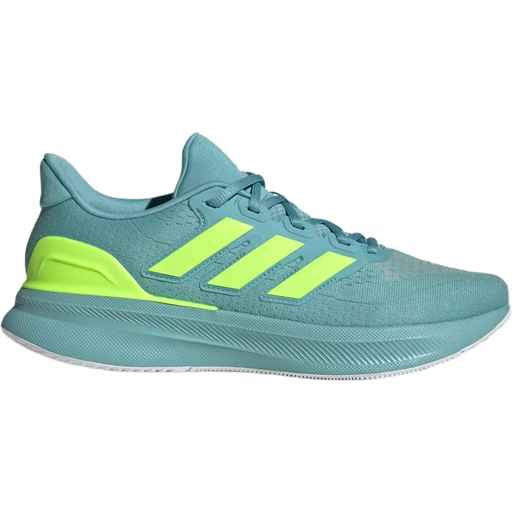
Why it suits this profile: A versatile model for beginner runners who also want to wear their running shoes for everyday activities. The regular fit and textile mesh construction make it a practical choice for easy runs and daily wear.
The product description mentions both a lightweight design and a Cloudfoam insole and rubber outsole. This means you do not have to choose based solely on the lowest weight.
Textile and mesh construction, Cloudfoam insole, regular fit and a rubber outsole for grip.
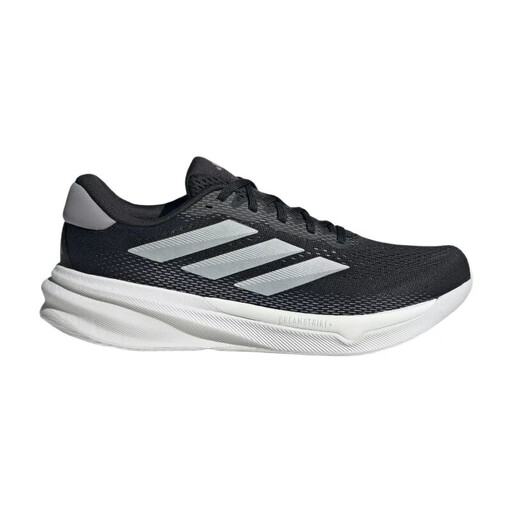
Why it suits this profile: Designed for runners looking for a training shoe for longer distances who value a comfortable, breathable construction.
The model is not positioned solely as fast or ultra-lightweight: the product description explicitly mentions training, a hybrid midsole and a durable Adiwear outsole.
Dreamstrike+ and EVA in the midsole, mesh upper, Adiwear rubber and at least 20% recycled and renewable materials, according to adidas.
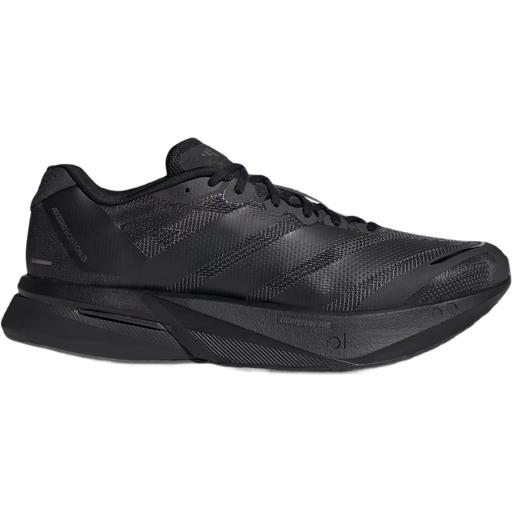
Why it suits this profile: Intended for speed training and race preparation. This is a more specialised choice than a neutral shoe for everyday walking or casual use.
The product information clearly states that it is intended for intensive training and race preparation. This makes its purpose more specific than that of general running shoes.
Lightstrike Pro, ENERGYRODS, a breathable textile upper and Lighttraxion with Continental Rubber, according to the product description.
We have put together a complete, up-to-date list of products that fully meet these strict selection criteria and the applicable European safety regulations.
Their lifespan depends on running distance, body weight, surface, running style and storage. Look for wear on the tread, cracks in the midsole and changes in the fit. There is no universal mileage figure that applies to every model. Do not replace a pair based on appearance alone; pay particular attention to visible material deformation and reduced comfort.
They can be, but not every runner finds a soft shoe comfortable. For everyday use, fit, breathability and grip are at least as important as cushioning. A model such as the adidas Galaxy 7 or adidas Ultrarun 5 is described as being designed for comfort and everyday use. It is better to use a race-focused shoe for its intended purpose, such as tempo or race training.
The price varies depending on the brand, midsole technology, construction and intended use. So do not compare the price alone; also consider size availability, materials, outsole and care instructions. A slightly more expensive model may be practical if it better suits how often you run, while a basic pair may be perfectly adequate for short recreational runs.
