
Vandaag of morgen in huis

Kwaliteit gegarandeerd

Welkomstaanbiedingen ontgrendelen: GRATIS bezorging | Tot 80% korting | Gratis 30 dagen JoyPlus-proefperiode
Download de app
Buying the right running shoes sounds simple until you have to choose between cushioning, grip, waterproofing and fit. A shoe that feels comfortable during a short walk is not automatically suitable for a long road run or a muddy woodland path. Marketing terms can also be confusing. That is why it helps to start by considering the surface, how you will use the shoes and verifiable product specifications.
Road running shoes usually have a flatter tread and a sole designed for even, hard surfaces. Trail running shoes, on the other hand, have deeper grooves or lugs for loose earth, mud and rocks. If you use a heavy trail tread on the road, your stride may feel less smooth. A smooth running shoe may not provide enough grip on wet woodland ground.
Plenty of cushioning sounds appealing, but comfort also depends on the fit, the shoe’s weight and its stability. A soft sole can feel pleasant during long walks, while a road runner may value a smooth transition through the stride more highly. So do not just look for terms such as “maximum cushioning”; also consider the midsole, upper and intended surface.
GORE-TEX running shoes and other waterproof running shoes can help in the rain and on wet grass. However, a membrane may offer less ventilation than an open mesh upper. Water can also enter through the shoe opening when you step into deep puddles. For summer training, a breathable, non-waterproof shoe may therefore be more practical.
Ideally, measure your feet at the end of the day, when they take up slightly more space. Check the brand’s size chart and look at the foot length in centimetres. Sizes can vary between brands and models. Consider the following:
A lace-up fastening, Quicklace system or SensiFit construction can help you adjust the fit. That does not mean every system will feel equally comfortable on every foot, so pay particular attention to whether the pressure is distributed evenly.
The outsole largely determines what a shoe is suitable for. For road running shoes, a rubber sole with a relatively even tread is a logical choice. For running shoes for mud and technical trails, deeper lugs and a more robust tread are more relevant.
Look out for information about:
No sole performs identically on every surface. Wet tiles, leaves and slippery tree roots are still situations where you need to adjust your speed and stride length.
The midsole may be made from EVA foam or a brand-specific cushioning system. Product descriptions sometimes mention features such as shock absorption or energy return. Treat these as manufacturer product specifications, not as a guarantee of a particular running experience.
A lightweight running shoe can feel comfortable for speed sessions or short runs. A slightly more robust model may offer greater protection and stability for walking or trail running. A mesh upper will generally provide better ventilation, while a waterproof membrane offers greater protection from rain. Choose according to your climate, route and how long you will be wearing the shoes.
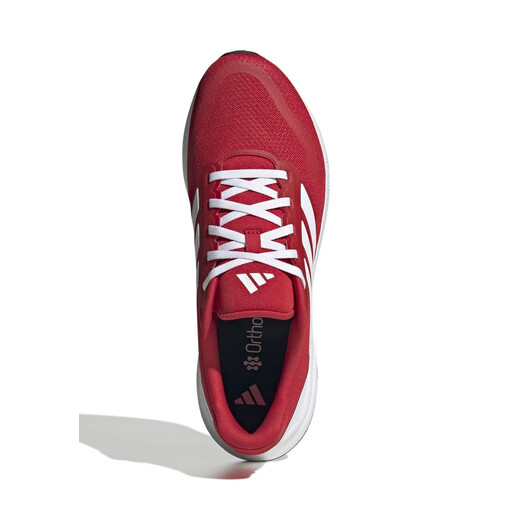
Why it suits this profile: According to the product description, this model is intended for road use and short distances of 0 to 10 km. That makes it a straightforward choice for everyday training and recreational running.
The intended use and distance are clearly stated. This helps prevent you from buying a trail shoe for road running or short everyday runs only.
Cloudfoam midsole, mesh upper, OrthoLite insole and Adiwear outsole according to the product details.
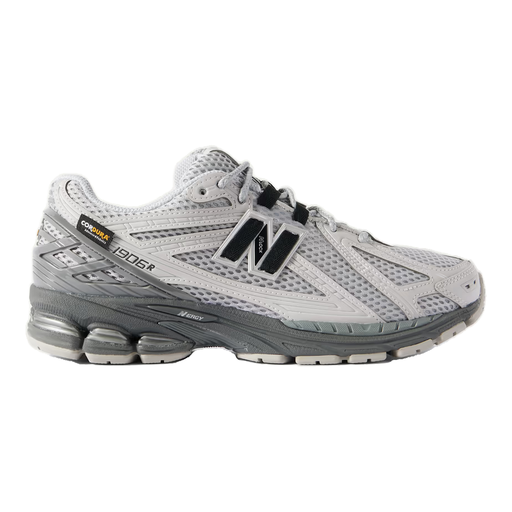
Why it suits this profile: The combination of mesh, synthetic overlays, ABZORB cushioning and Stability Web makes this model suitable for active everyday use and casual wear.
The product information mentions both ventilation and stability support. You therefore do not have to base your decision solely on the appearance or retro design.
ABZORB midsole, Stability Web construction, mesh upper and rubber outsole according to the stated specifications.
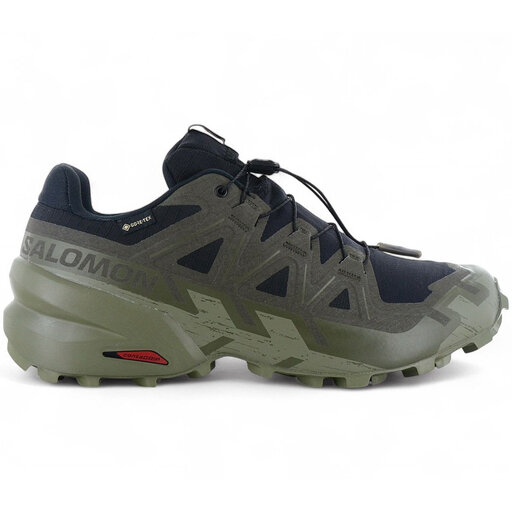
Why it suits this profile: According to the product description, this model is designed for trail running in wet, muddy and technical conditions.
The clear distinction between trail use and road running helps prevent you from choosing a road model for loose or soft ground.
GORE-TEX membrane, Contagrip outsole with an aggressive tread, EVA midsole, SensiFit and Quicklace according to the product description.
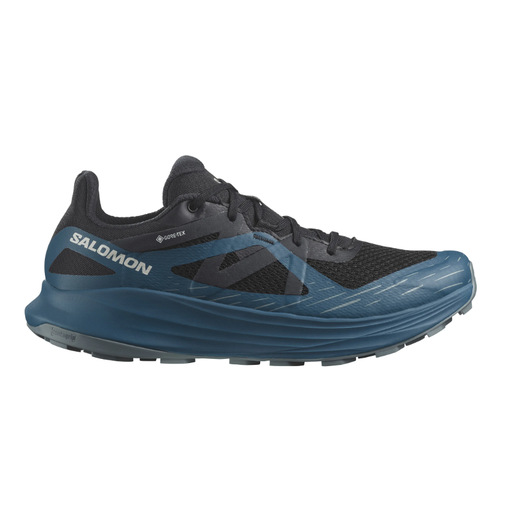
Why it suits this profile: The product description positions this model for a combination of road and off-road use, with additional protection against wet weather.
The mixed intended use is clearly described. This makes the shoe a more logical choice for varied routes in the Netherlands than a model designed exclusively for roads or muddy ground.
GORE-TEX membrane, higher midsole, EVA cushioning and Contagrip outsole for roads and off-road terrain according to the product details.
We have put together a complete, up-to-date list of products that fully meet these strict selection criteria and the applicable European safety regulations.
Their lifespan depends on your body weight, running style, frequency of use, the surface and maintenance. Regularly check the outsole for wear, creasing in the midsole and seams coming loose. A shoe can still look presentable even when its cushioning or grip has noticeably declined. Avoid using trail running shoes on the road unnecessarily, as a deep tread can wear down more quickly there.
They can be, particularly for walks in the rain, wet routes and muddy trails. In warm weather or during intensive training, a breathable mesh model may feel more comfortable. Also consider the fit: a waterproof membrane does not automatically make a shoe more stable or comfortable.
The main differences are often found in the size range, last, volume and colour options. Not every woman has narrow feet, and not every man has wide feet. So choose based first on foot length, width, heel fit and intended use. A model that fits well is more important than whether it is labelled for men or women.
For short walks and everyday use, you can, provided the fit and sole are suitable. For long walks, hilly terrain or wet paths, walking shoes or trail models with greater protection and grip are often more practical. For football, lacrosse and other field sports, it is best to choose sports shoes with the right stud configuration for the surface.
