
Vandaag of morgen in huis

Kwaliteit gegarandeerd

Welkomstaanbiedingen ontgrendelen: GRATIS bezorging | Tot 80% korting | Gratis 30 dagen JoyPlus-proefperiode
Download de app
Buying new women's and men's running shoes seems simple, until you have to choose between cushioning, weight, grip and terrain. A shoe that feels comfortable on tarmac may be awkward on muddy paths. And a popular brand name doesn't automatically mean the fit will suit your foot.
That's why the Joybuy Product Recommendation Officer selects shoes based on verifiable product information: materials, tread pattern, cushioning, fastening and stated intended use. This helps you avoid paying for features you won't need when you run.
A smooth rubber outsole is practical for tarmac and city routes, but generally offers less grip on loose earth, wet roots or mud. On the other hand, deep trail lugs can feel less smooth on tarmac and may wear down more quickly. So first decide whether you're mainly looking for running shoes for tarmac, running shoes for gravel or proper trail running shoes.
Lightweight running shoes can feel comfortable, but a low weight doesn't tell you how much support or cushioning the shoe offers. For everyday training, a slightly heavier model with a comfortable midsole may be more practical. Look at the midsole material, outsole thickness and how the shoe fits around your foot.
Sizing varies by brand, model and version. Always check your foot length in centimetres and pay attention to the width. Shoes that are too short at the toes can pinch on longer runs. A heel that's too loose can cause your foot to slip. Ideally, try running shoes on with the socks you wear when running, and leave a little room for your toes to move.
If you often run on concrete or tarmac, you're probably looking for running shoes with good cushioning. Check the midsole material, such as EVA, ABZORB, React foam or Lightstrike Pro. These brand names aren't universal quality standards. The effect depends on the construction, the firmness of the foam and your running style.
Don't automatically choose the softest shoe. Plenty of cushioning can feel comfortable, but a stable fit and the right amount of flexibility are still important.
For tarmac, a relatively flat tread pattern and flexible rubber outsole are often enough. Grooves and small lugs are useful on gravel and mixed routes. Deeper lugs are needed for muddy or technical trails, to provide better grip on loose surfaces.
Pay attention to the wording in the product description. A brand may refer to “good grip” or mention a particular outsole technology, based on its own product information. That doesn't guarantee performance on every surface. So check whether the model is designed for tarmac, gravel, mixed terrain or soft trails.
Mesh and textile usually provide ventilation. Synthetic reinforcements can add structure around the heel, toe or sides. For warm-weather training, breathable running shoes are often more comfortable. A membrane may be useful on wet paths, but water resistance doesn't mean a shoe will stay completely dry in all conditions.
The product information for the Salomon Speedcross 5 GTX W and Speedcross 6 GTX W lists a GORE-TEX membrane and an outsole with deep grooves. These models are therefore designed for wet and softer surfaces. Also check the care instructions after buying, as dirt and improper drying can damage the materials.
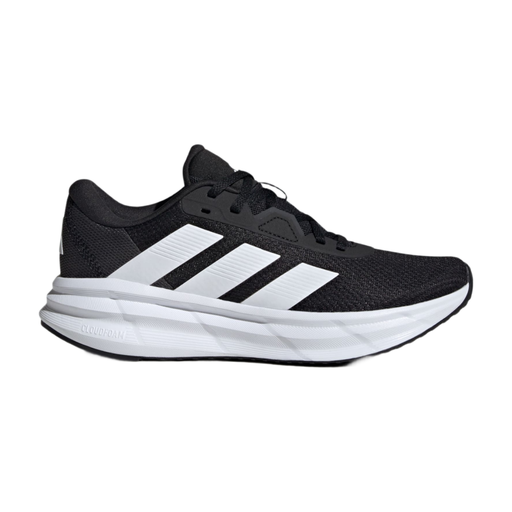
Why it suits this profile: The product information mentions a lightweight construction, flexible outsole and a fit that corresponds to foot length according to the size guide. This makes it a practical option for beginner runners and everyday active use.
The available sizing information helps you avoid relying on the EU size alone. The flexible outsole is better suited to short training runs and everyday use than technical trails.
Lightweight construction, mesh and textile materials, and a stated foot length of 22.9 cm for EU 38.
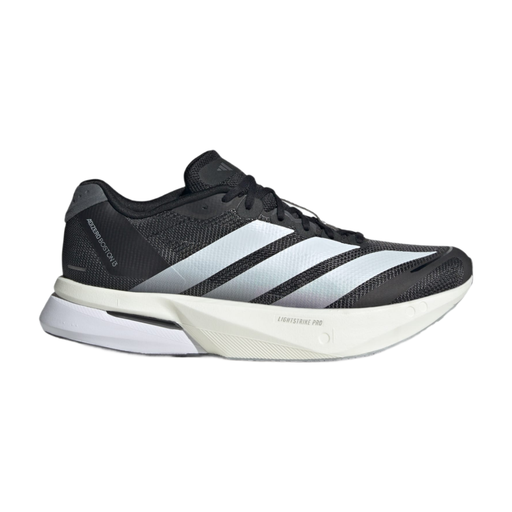
Why it suits this profile: According to the product description, this model is designed for training and racing. The combination of Lightstrike Pro, Energy Rods, technical mesh and a Continental rubber outsole suits runners looking for a lightweight, dynamic shoe.
The model isn't described as lightweight alone: the product details also specify the midsole type, reinforcements and outsole material.
Technical mesh, Lightstrike Pro midsole and Energy Rods; the listed size has a foot length of 23.5 cm.

Why it suits this profile: According to the product description, this model is designed for trail running on muddy and mixed terrain. The combination of GORE-TEX, Quicklace and a Contagrip TA outsole with deep grooves is well suited to wet woodland paths in the Netherlands.
You're not simply choosing a smooth outsole for tarmac and expecting it to work on every surface. The deep grooves and stated membrane are specifically suited to soft and wet ground.
GORE-TEX membrane, Quicklace fastening, EnergyCell+ midsole and Contagrip TA outsole with deep grooves.
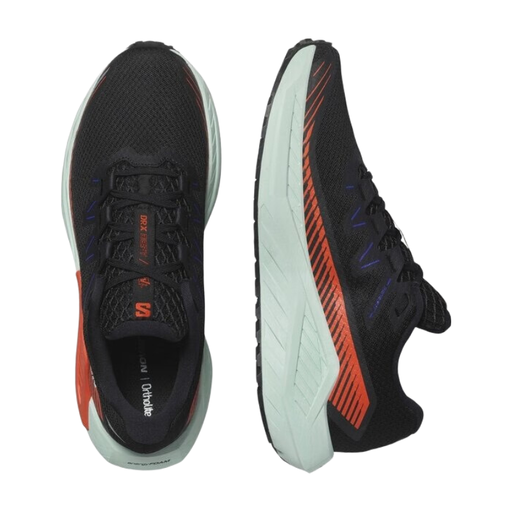
Why it suits this profile: According to the product information, this women's shoe is designed for gravel, trails and other mixed surfaces. It offers a middle ground between running shoes for tarmac and dedicated trail shoes.
Its intended use is clearly described, so you don't have to guess whether a tarmac shoe will provide enough grip on gravel.
EnergyFOAM midsole, All Terrain Contagrip outsole, engineered mesh and SensiFit fit.
We've put together a complete, up-to-date list of products that meet these strict selection criteria and the applicable European safety regulations.
Their lifespan depends on how often you run, your body weight, the surface, care and wear. Check the tread, heel and midsole regularly. If the outsole shows uneven wear or the cushioning feels noticeably different, it's worth comparing a new pair. There's no set mileage that applies to every model.
Women's running shoes are often designed with a different last and size range, but this varies by brand and model. Men's running shoes may also fit some feet well. So check your foot length, width, heel fit and the size guide rather than relying on the women's or men's category alone.
You can for short stretches, especially with models designed for mixed terrain. Deep lugs can be less comfortable on long stretches of tarmac and may wear down more quickly. If you mainly run on city routes, models such as the Salomon Aero Glide 2 W are specifically designed for hard surfaces, according to the product description. For gravel and woodland paths, a more versatile tread pattern and extra grip make more sense.
