
Vandaag of morgen in huis

Kwaliteit gegarandeerd

Welkomstaanbiedingen ontgrendelen: GRATIS bezorging | Tot 80% korting | Gratis 30 dagen JoyPlus-proefperiode
Download de app
Buying a pair of running shoes may seem simple, but the options vary considerably in fit, sole, cushioning and intended use. A model for tarmac behaves differently from trail running shoes on muddy paths. Similarly, a shoe that feels comfortable during a walk is not automatically suitable for longer running sessions.
The following pitfalls are common:
The midsole largely determines how the shoe feels. EVA foam, as used in several PELLIOT models, is designed to provide a lightweight construction and cushioning. According to the product information, the adidas Galaxy 7 M uses a Cloudfoam midsole. This may appeal to runners who mainly train on the road and want a comfortable feel.
Pay attention to the difference between:
Cushioning is not a medical feature. Choose based on comfort, running style and terrain, and stop exercising if your shoes feel uncomfortable.
For tarmac, a relatively flat rubber or TPU sole is usually sufficient. On loose surfaces, the tread and rubber compound are more important. Shoes for gravel and trail running generally have more grip zones than road models.
According to the product description, the Salomon DRX DEFY GRVL uses an All Terrain Contagrip outsole. The PELLIOT models are described as having a ROCKYTEC rubber outsole; Vibram Megagrip is mentioned for selected versions. Always check the version available in your chosen size, as the variants on offer may differ.
Do not routinely use a road model on wet roots, mud or loose sand. Conversely, a deep trail tread may feel less smooth on tarmac and wear out more quickly.
Breathable running shoes often have a mesh upper. Mesh allows air to circulate, but it is not automatically waterproof. This can be comfortable for summer training and everyday use; in rainy weather or on wet grass, a water-repellent outer layer remains more relevant.
Also check:
According to the product information, the PELLIOT models are available in a regular and a slim fit. The adidas Galaxy 7 M has a regular fit, and the Skechers models below are also described as having a regular fit. For children, a hook-and-loop fastening can be practical for school and sports, but check regularly that there is still enough room for the foot.
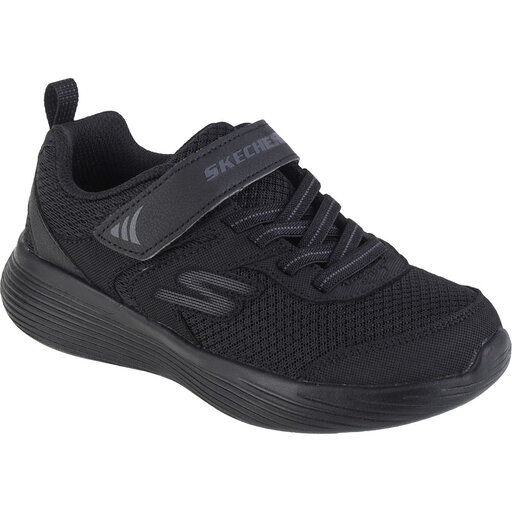
Why it suits this profile: A practical choice for children who need shoes for school, play and light sporting activities. The hook-and-loop fastening makes them easy to put on and take off.
The product information lists a breathable mesh upper, flexible sole and regular fit. This makes it clearer what the model is intended for: everyday use and active play, rather than demanding trail activities.
Textile upper, rubber sole, regular fit and hook-and-loop fastening; available in size 30.
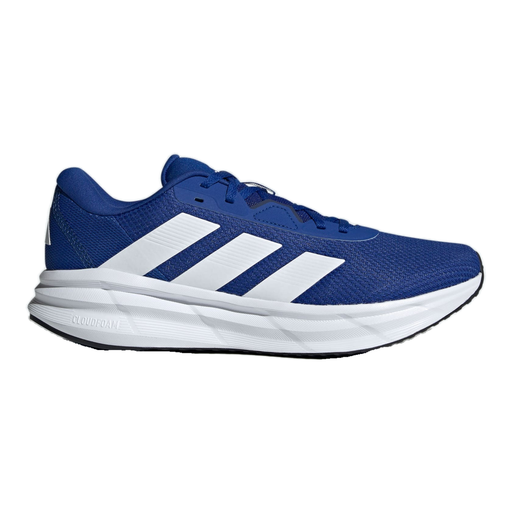
Why it suits this profile: Designed for men who mainly run on the road and want one pair for training, walking and everyday use.
The listed features are specific: regular fit, lace fastening, textile upper, Cloudfoam midsole and TPU outsole. This makes the choice easier to assess rather than basing it solely on a marketing term.
Size 42 with a stated foot length of 270 mm, breathable textile lining and a TPU outsole for road use.
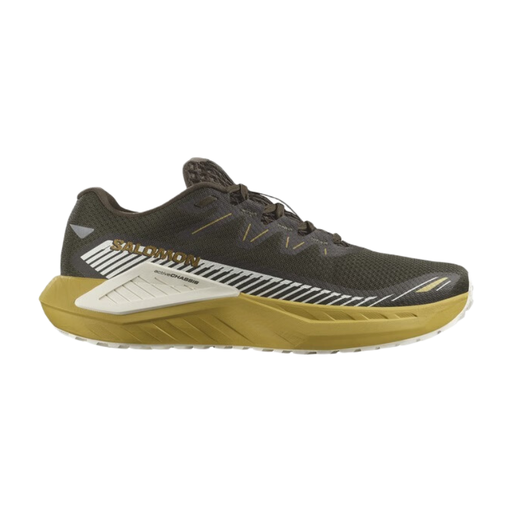
Why it suits this profile: For runners and walkers who alternate between tarmac, gravel, woodland paths and other mixed surfaces.
According to the product description, this model is specifically designed for gravel and mixed terrain. Choosing a terrain model means you do not have to rely solely on a smooth road outsole.
Active Chassis for support according to Salomon, Energy Foam midsole and All Terrain Contagrip outsole; size 43 1/3.
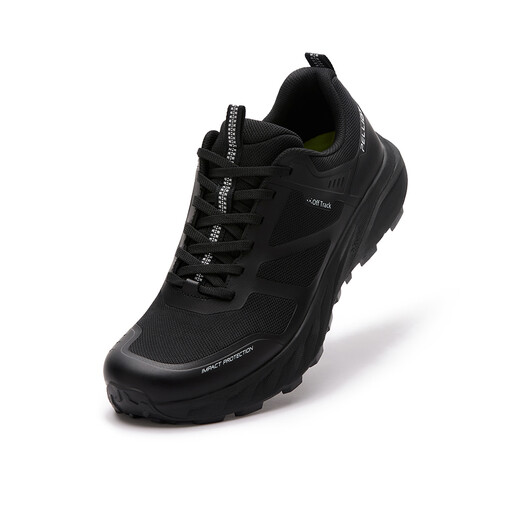
Why it suits this profile: A unisex model for users who combine running, walking and road-to-trail routes, and value low weight and ventilation.
The product information lists both regular and slim fits, along with foot lengths for each EU size. This allows you to compare more than just colour or brand name.
Mesh and woven textile, EVA midsole, ROCKYTEC rubber and size 42 with a stated foot length of 260 mm.
We have compiled a complete, up-to-date list of products that fully meet these strict selection criteria and the applicable European safety regulations.
Their lifespan depends on body weight, running frequency, surface, care and wear. Do not focus solely on time. Look especially for a smooth, worn tread, cracks in the upper or a midsole that has visibly compressed. Anyone who frequently runs on tarmac may notice wear sooner than someone who mainly walks.
Not as a rule. Measure both feet at the end of the day and compare the foot length with the model’s size chart. Leave some room around the toes when running, but make sure the heel does not slip. Wear the socks you normally use for sport when trying the shoes on.
The price varies according to the brand, materials, midsole, outsole and intended use. A road model, trail model and children’s pair are not constructed in the same way. Compare the specifications and fit first. A cheaper pair that fits well may be more practical than an expensive model with features you do not use.
