
Vandaag of morgen in huis

Kwaliteit gegarandeerd

Welkomstaanbiedingen ontgrendelen: GRATIS bezorging | Tot 80% korting | Gratis 30 dagen JoyPlus-proefperiode
Download de app
Buying the right running shoes sounds simple, until you have to choose between cushioning, grip, stability, fit and materials. A model that feels comfortable during a short walk is not automatically suitable for long distances or wet woodland paths. Marketing terms such as “all-terrain” or “maximum cushioning” also mean little if the sole, sizing and construction are not suited to how you use the shoes.
With this practical selection guide, you can focus on features that can be checked. That helps you avoid a poor purchase and choose more confidently from men’s running shoes, women’s running shoes and unisex running shoes.
Running shoes for asphalt generally have a sole designed for regular contact with flat, hard surfaces. Trail running shoes and running shoes for gravel and off-road terrain, on the other hand, have deeper tread and often extra protection against stones and branches. If you use a smooth road sole on mud or wet roots, the grip may not be sufficient.
Cushioned running shoes can feel comfortable, but more cushioning does not automatically mean a better fit. A soft midsole may feel less stable when you regularly run on uneven ground. You should therefore also consider the width of the base, the heel construction and any stability technology.
An EU size can vary between brands and models. Always check the size chart and allow some room around the toes. A little extra space can be useful for long walks or running sessions. If you are specifically looking for size 37, size 42, size 43 1/3 or size 45 running shoes, always check the available variant on the product page.
For asphalt, a rubber outsole and an even tread pattern are important features. The Salomon Aero Glide 2 in size 43 1/3 is described as being intended for neutral runners on hard surfaces. The shoe has a rubber sole, a textile lining and a breathable upper.
For gravel and off-road terrain, a deeper tread is more practical. According to the product information, the Salomon DRX DEFY GRVL uses an All Terrain Contagrip rubber outsole and Active Chassis. These are specific product features; actual grip also depends on the surface, wear and running technique.
Pay attention to the midsole material, not just the name of the technology. EVA is widely used in lightweight running shoes and is designed to combine flexibility with shock absorption. The New Balance models in this selection use EVA or ABZORB, depending on the model. New Balance describes ABZORB as a cushioning material. Do not present this performance as a guaranteed result: how it feels varies according to the runner, body shape and surface.
A mesh upper supports ventilation, while synthetic overlays can provide additional structure. Breathable running shoes are particularly practical for longer activities or warmer weather. However, a completely open mesh can be more susceptible to dirt and moisture. For off-road use, a reinforced upper may therefore be a worthwhile consideration.
Also check the care instructions. Many models in this selection should only be cleaned by hand. Machine washing, radiators and prolonged exposure to direct sunlight can damage the materials.
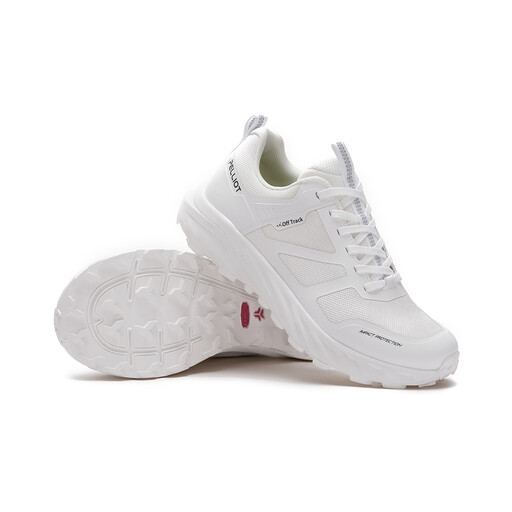
Why it suits this profile: This unisex version combines a mesh and woven upper with an EVA midsole. That makes it suitable for beginners who want to combine walking, jogging and light outdoor activities.
The product description explicitly mentions sizing, a standard and a narrow fit, and hand washing as part of the care instructions. This means you do not have to rely solely on general marketing terms.
Lightweight upper, EVA midsole and ROCKYTEC rubber outsole, according to the product information.
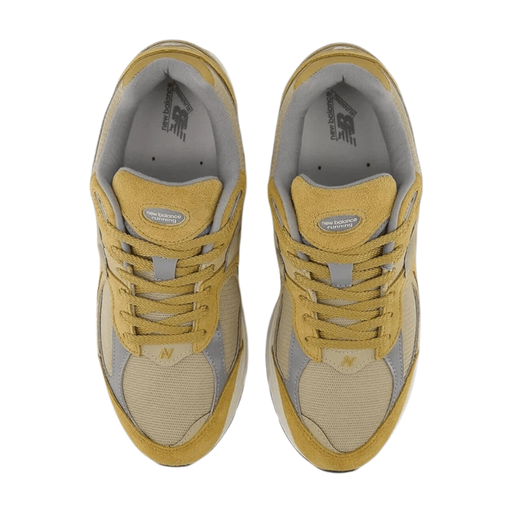
Why it suits this profile: This model is aimed at people looking for a combination of retro styling, everyday comfort and a supportive construction.
The specifications list mesh, synthetic overlays, ABZORB and N-ergy technology, and a rubber outsole. This makes the key materials clearer than in a listing featuring lifestyle photos alone.
ABZORB and N-ergy in the midsole, Stability Web for support and a breathable mesh upper, according to New Balance.
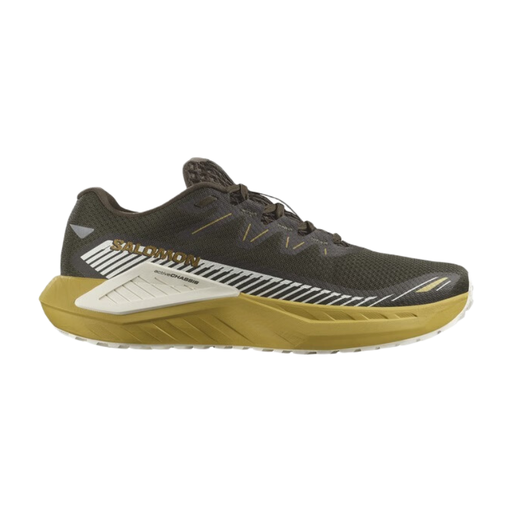
Why it suits this profile: According to Salomon, this model is designed for gravel and mixed terrain. It is suitable for runners and walkers who do not stick exclusively to asphalt.
The sole is specifically described for All Terrain use. That is a clearer basis than using a smooth city sole on loose or wet paths.
Active Chassis, Energy Foam and an All Terrain Contagrip rubber outsole are listed as product specifications.
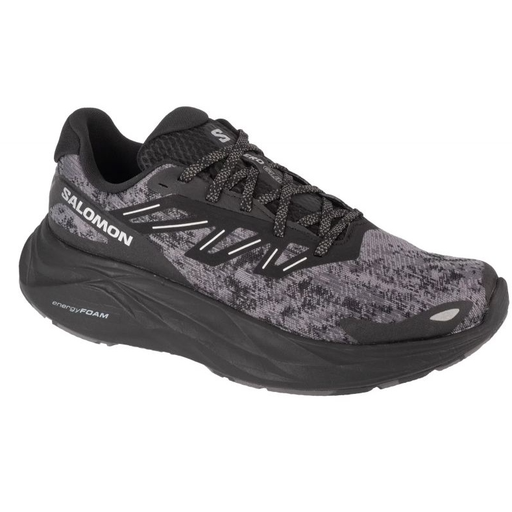
Why it suits this profile: The product description is aimed at neutral runners who mainly train on asphalt and value ventilation, a soft lining and a rubber sole.
The intended use and neutral foot shape are clearly stated. This makes it easier to assess whether the model suits your running route.
Breathable synthetic and fabric upper, textile lining and thick rubber sole, according to the product information.
We have put together a complete, up-to-date list of products that fully meet these strict selection criteria and the applicable European safety regulations.
Measure your foot at the end of the day, when feet often have slightly more volume. Compare the measurement with the chart for the model you have chosen. A size 43 1/3 in Salomon is not the same as a standard EU 43 in every other brand. Also consider the width: PELLIOT lists a standard and slim fit for some versions.
Clean your shoes after use with a soft brush or cloth. Allow them to dry naturally in a well-ventilated place. Care instructions vary by model, but several of the shoes mentioned are not suitable for machine washing.
Lifespan depends on how often you run, your body weight, the surface, storage and wear. Replace a pair when the sole shows visibly uneven wear, the upper starts to come away or the cushioning feels noticeably different. A fixed number of kilometres is not a reliable guide.
It depends on how they are used. Everyday asphalt, rough trails and intensive training put different stresses on the sole. Check the tread, heel and midsole regularly rather than looking only at the age of the shoes.
They can be, provided the fit and support suit your feet. Lightweight shoes often use less material, but that alone does not say anything about comfort. Try them during shorter training sessions first and check that your feet remain stable and well supported.
Usually for short distances, but the deeper tread may feel less smooth on a flat road and can wear more quickly. If you mainly run on paved routes, it is better to choose running shoes designed for asphalt. For mixed routes, models for gravel and off-road terrain are more practical.
