
Vandaag of morgen in huis

Kwaliteit gegarandeerd

Welkomstaanbiedingen ontgrendelen: GRATIS bezorging | Tot 80% korting | Gratis 30 dagen JoyPlus-proefperiode
Download de app
A new pair of running shoes can seem like an easy choice: select your size, check the cushioning and be tempted by terms such as “energy return” or “all terrain”. However, many disappointing purchases result from a mismatch between the shoe and the surface. A soft running shoe designed for tarmac, for example, may feel unstable on roots and loose stones. A trail model with a deep tread will feel less smooth on cycle paths.
The Joybuy Product Recommendation Officer helps you reduce marketing claims to practical checks. Pay particular attention to these three common pitfalls:
For running shoes for tarmac, a relatively flat, flexible outsole is practical. A rubber sole with a hard-wearing tread may be suitable for everyday training on roads and cycle paths. According to the product description, the adidas Runfalcon 5 is intended for road training and distances of 0 to 10 kilometres, for example.
For running shoes for gravel and mixed routes, a deeper tread is preferable. The Salomon DRX DEFY GRVL uses an All Terrain Contagrip outsole and, according to the product specifications, is designed for gravel and mixed terrain. For muddy or technical routes, trail running shoes with a more pronounced tread and additional protection are the more logical choice.
Please note: no sole provides the same grip in all conditions. Wet wood, mud and slippery paving require you to adjust your stride and speed.
Cushioned running shoes can feel comfortable over your everyday miles, but the right amount varies from runner to runner. A softer midsole is not automatically more comfortable when you are looking for stable contact with the ground.
So check:
Lightweight running shoes are appealing for speed and short training sessions, but you should also consider protection and durability. A racing model with a carbon plate may provide a different running experience from an everyday training shoe. According to Li-Ning’s own information, the FEI DIAN 6 ELITE models feature a T1000 carbon-fibre plate and a SUPER BOOM CAPSULE midsole. These are technical features, not a guarantee of a particular finishing time.
A well-fitting shoe should hold the heel securely without feeling tight. Your toes need enough room to avoid pressing against the front of the shoe during longer runs. The fit, shape and available sizes of women’s running shoes and men’s running shoes can vary by model, so do not rely solely on the women’s or men’s label.
A membrane can be useful for wet walks and technical trails. According to the product description, the Salomon XA Pro 3D v9 GTX has a GORE-TEX membrane, a 3D Advanced Chassis and a Contagrip outsole. However, a waterproof version may feel warmer and is not necessary for every tarmac training session.
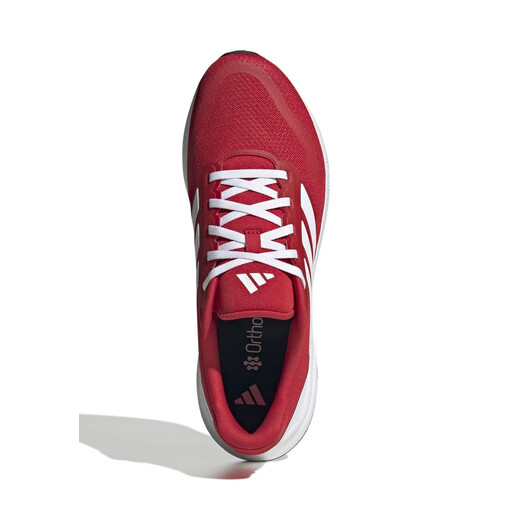
Why it suits this profile: According to the product information, this model is designed for everyday running and short road distances. The Cloudfoam midsole, mesh upper and lace-up fastening offer a straightforward starting point for recreational runners.
Its intended use is clearly defined: road training and 0–10 km. This means you do not have to pay for trail features that you will not use on the road.
Cloudfoam cushioning, an OrthoLite insole and an Adiwear outsole, according to the product description.

Why it suits this profile: According to the product specifications, this trail and walking shoe combines weather protection, support and grip for technical routes and changeable conditions.
Its use is not limited to smooth roads: the model has a 3D Advanced Chassis and Contagrip outsole for uneven terrain.
GORE-TEX membrane, Quicklace system and synthetic mesh, according to the product description.
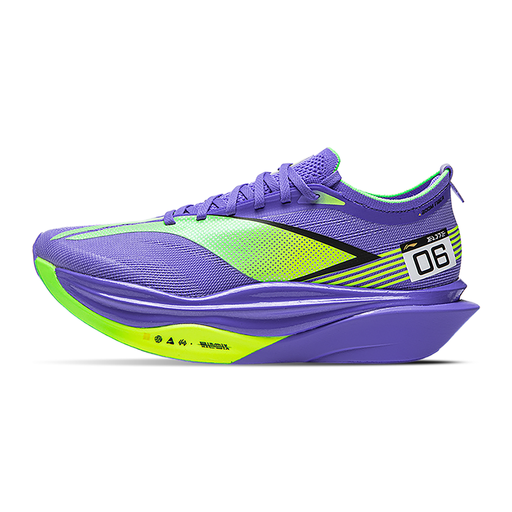
Why it suits this profile: This model is designed for road races and marathon training. The fit is described as race-focused and close-fitting, making it particularly important to check the size and available toe room.
The product information clearly states that it has a race-focused fit and recommends going half a size up for wider feet or additional toe room.
T1000 carbon-fibre plate, BOOM FIBER upper and GCU outsole, according to Li-Ning’s own information.
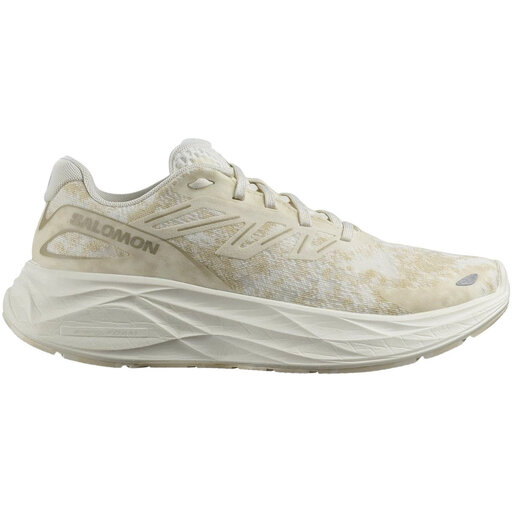
Why it suits this profile: According to the product description, this women’s model is designed for hard surfaces, urban routes and everyday training.
The shoe is specifically associated with tarmac and urban routes, helping you avoid choosing a trail tread for flat surfaces.
Synthetic textile upper, soft lining and thick rubber sole with cushioning, according to the product information.
Measure your feet at the end of the day and compare the length with the size guide for your chosen model. Ideally, try them on with the socks you wear when running. When checking new shoes, make sure that:
Do not wash running shoes in the washing machine unless the manufacturer explicitly allows it. Most of the models mentioned recommend cleaning with a damp cloth and allowing them to dry naturally, away from direct heat. If you use them intensively, consider alternating between two pairs so the materials have time to recover. The statutory EU legal guarantee of conformity for new consumer products is at least two years; additional rights may apply under national legislation.
We have put together a complete, up-to-date list of products that fully meet these strict selection criteria and the applicable European safety requirements.
It depends on how often you run, your body weight, the surface, maintenance and wear. Do not look only at the number of kilometres. Replace a pair when the sole shows visibly uneven wear, the upper no longer provides proper support or the cushioning feels noticeably different.
No. Cushioning is just one part of the shoe. Fit, stability, tread pattern and surface are at least as important. For tarmac, a cushioned road model may be practical; on technical trails, you also need grip and protection.
You can for short stretches, but a deep tread may feel less smooth on tarmac and wear out more quickly. Use trail running shoes primarily when a substantial part of your route consists of gravel, mud, woodland paths or technical trails.
