
Vandaag of morgen in huis

Kwaliteit gegarandeerd

Welkomstaanbiedingen ontgrendelen: GRATIS bezorging | Tot 80% korting | Gratis 30 dagen JoyPlus-proefperiode
Download de app
A pair of running shoes may look light, fast and technical in photos, but that says little about how the model performs on Dutch roads and paths. A narrow fit, insufficient grip or a poorly breathable upper often only becomes noticeable after several kilometres.
The right choice therefore depends on more than colour or brand name. Focus on the surface you run on, the level of cushioning you want, the fit and how you intend to use the shoes. Below, we cover the main pitfalls, technical points and some product options for different running profiles.
Lightweight running shoes feel comfortable during short training sessions, but a thin construction is not automatically suitable for longer distances. For endurance training and marathon preparation, it is wise to consider the midsole, stability and the shape of the sole as well as the weight.
An EVA midsole can provide cushioning and responsiveness, but the amount and firmness vary from model to model. A shoe with plenty of rebound may feel very different from a model with softer, more consistent cushioning.
Marketing copy often uses terms such as ventilation and moisture management. Check whether the upper is actually made from mesh or woven textile, and whether reinforcing TPU films are present. These reinforcements can improve durability, but may make parts of the shoe less breathable.
Breathable running shoes are particularly practical for longer training sessions and warmer weather. They do not automatically prevent wet feet: socks, rain and ventilation inside the shoe also play a part.
A tread that works well on tarmac is not always suitable for mud, wet stones or loose sand. For trail running shoes, the rubber compound, grooves and sole structure are more important than the word “non-slip” alone.
Also consider the difference between road models, racing running shoes and shoes designed for mixed use. A hybrid model can be useful on park paths and tarmac, but is not necessarily suitable for technical mountain terrain.
Cushioned running shoes often use EVA foam or a similar foam construction in the midsole. Look at:
According to PELLIOT’s product information, the model in question has a highly elastic EVA midsole. The manufacturer describes it as designed to provide rebound and shock absorption. This is a product specification, not a guarantee of a particular running experience or injury prevention.
Ideally, measure your foot at the end of the day, when it may be slightly larger. Compare your foot length with the product’s size chart and leave some room around the toes when running. Your heel should feel secure without uncomfortable pressure.
For wide feet, a wider fit is often more important than simply choosing a larger size. An overly long shoe may start to move around. According to the product description, the LI-NING RED HARE 9 PRO comes with a widened base and more room around the forefoot and heel. Even so, check the available size and fit for each version.
For conditions in the Netherlands, a durable outsole and sufficient grip are practical features. Check for:
A sole designed for extra grip is useful on wet cycle paths, woodland trails and unpaved routes, but may feel different on smooth tarmac. Choose based on your regular running route.
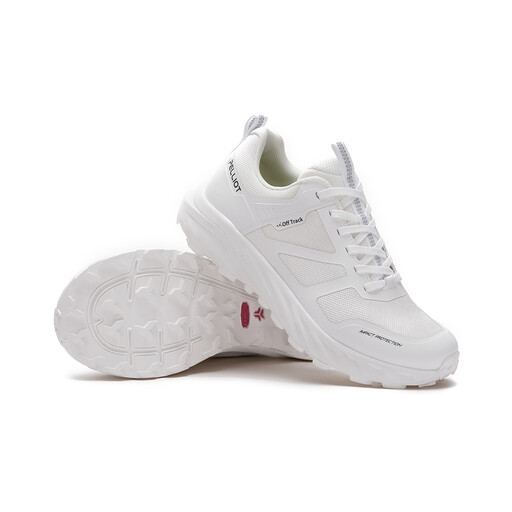
Why it suits this profile: These unisex running shoes combine a lightweight sandwich-mesh upper with an EVA midsole. They are suitable for recreational runners training on tarmac, park paths and easy trails.
The description mentions the upper, EVA midsole and ROCKYTEC rubber outsole. This means you can base your choice on specific, verifiable features rather than a lightweight claim alone.
Mesh and woven textile for ventilation; EVA midsole; standard and narrow versions available according to the product information.
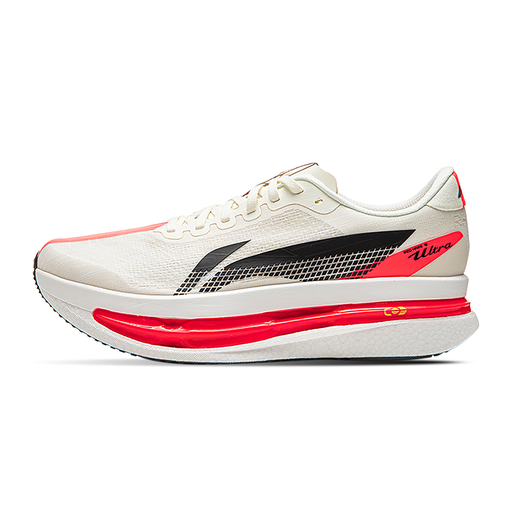
Why it suits this profile: According to the product description, this model is designed for long-distance training, speed and road races. It has a breathable BOOM FIBER upper and a performance-focused, close-fitting design.
The product information lists the layers used in the midsole, the fibreglass plate and the GCU outsole. However, check that the close-fitting design works for your feet and socks.
Three-layer BOOM foam construction; BOOM FIBER mesh; GCU outsole according to the product specifications.
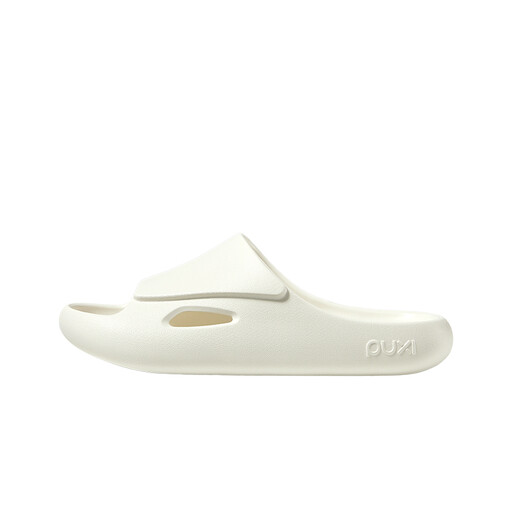
Why it suits this profile: These sports sandals are designed for wet areas, use at home, the beach and short periods outdoors. They are not a replacement for running shoes, but are practical alongside your training footwear.
The product description mentions drainage channels and a sole with deep, wave-shaped grooves. These are more specific indications of suitability for bathroom use than the word “non-slip” alone.
EVA material; drainage construction; wave-shaped non-slip tread according to the product information.
We have put together a complete, up-to-date list of products that fully meet these strict selection criteria and the applicable European safety regulations.
Their lifespan depends on your body weight, running style, running surface, frequency of use and maintenance. Regularly check the tread, creasing in the upper and compressed midsole. If the cushioning starts to feel noticeably different or the sole wears unevenly, replacing the shoes may be advisable. There is no fixed mileage limit that applies to every model.
Not necessarily. Cushioning is a product feature, but the right amount is a personal choice. Some runners prefer a firm, stable feel, while others favour a softer midsole. Pay attention to the fit, available room and type of training. If you experience persistent pain while exercising, it is wise to seek professional advice.
You can with many models, but the tread and sole may wear more quickly on tarmac than when used on paths. Trail running shoes with extra grip are primarily designed for unpaved, wet or loose surfaces. If you only train on roads, standard road running shoes are often the more logical choice. Always check the recommended surface and outsole of the specific model.
