
Vandaag of morgen in huis

Kwaliteit gegarandeerd

Welkomstaanbiedingen ontgrendelen: GRATIS bezorging | Tot 80% korting | Gratis 30 dagen JoyPlus-proefperiode
Download de app
Buying the right running shoes seems simple, until you have to choose between models for roads, woodland paths, walking and everyday wear. A low price or a well-known brand name doesn’t automatically mean a shoe is right for your feet and running route. Terms such as “maximum cushioning” and “ultralight” are only useful once you know what kind of construction they refer to.
Joybuy’s Product Recommendation Officer filters the most important product information and turns it into practical choices. That way, you can avoid paying for features you don’t need.
Nike running shoes, adidas running shoes and New Balance running shoes all include models for different uses. A retro trainer might look sporty, but that doesn’t necessarily make it suitable for long distances. Always check the outsole, midsole, fit and stated intended use.
Well-cushioned running shoes can feel comfortable, but more foam doesn’t automatically make a shoe a better choice. A soft midsole can feel good during easy training sessions, while a firmer or more responsive model may suit short, fast runs better. Also consider the flexibility and stability of the outsole.
Sizing varies between brands and models. An EU size 40 in one model may fit differently in another. Measure your foot in centimetres and compare the measurement with the size chart on the product page. Leave a little room around your toes for running, so your foot doesn’t slide forwards and hit the front of the shoe.
The midsole largely determines how a shoe feels. Common materials include EVA, React, Cloudfoam, Bounce and ABZORB. These are manufacturers’ product and technology names; how they feel can vary depending on your feet, weight and running style.
For comfortable running shoes for everyday wear, a soft insole, a secure heel fit and good ventilation are often more important than a long list of technologies.
A mesh upper generally lets more air through than fully synthetic materials. That can feel more comfortable during longer training sessions or on warm days. If you wear your shoes outdoors often, check that the mesh has enough reinforcement around the heel and toe.
For parents looking for children’s trainers for school and play, a sturdy rubber outsole and an easy fastening system are practical features. The New Balance PC574EVN, for example, has a hook-and-loop fastening, an EVA midsole and a rubber outsole with a tread pattern. According to the product information, this model is designed for school, play and everyday wear, not specifically for running training.
The outsole should suit the terrain:
Trail running shoes are usually less suitable for everyday road running if their lugs are deep and stiff. Conversely, a standard road running shoe may not provide enough grip on muddy paths.
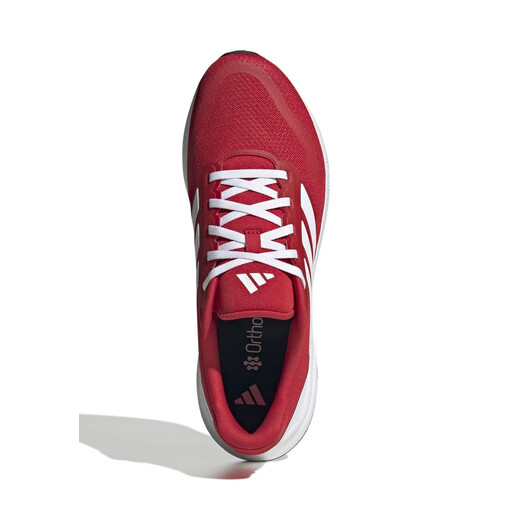
Why it suits this type of runner: A practical choice if you’re starting out with easy running, walking or short distances on roads. The product information describes this model as suitable for 0–10 km and everyday wear.
The specifications list a mesh upper, Cloudfoam midsole and Adiwear outsole. This means you can base your choice on the construction rather than just the adidas logo.
Cloudfoam midsole, breathable mesh and a rubber Adiwear outsole. The stated foot length for size 42 2/3 is 26,7 cm.
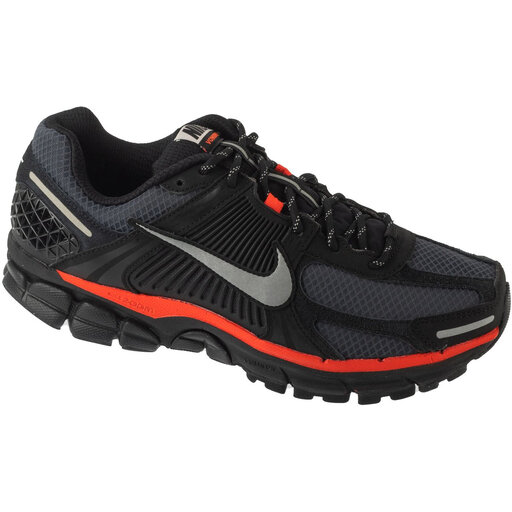
Why it suits this type of runner: A good choice if cushioning and ventilation matter to you, and you want a trainer you can wear outside your training sessions too.
Rather than judging it on looks alone, you can consider its Zoom Air units, mesh with synthetic overlays and padded collar.
According to the product information, this model has Zoom Air cushioning, a mesh upper and a rubber outsole with a waffle tread.

Why it suits this type of runner: A targeted choice for women running on soft, muddy or mixed trails who need more grip than a standard road running shoe can provide.
The deep tread and stated intended use make it clear that this model is designed for trail running. That helps you avoid wearing a flat city outsole on soft ground.
GORE-TEX membrane, Contagrip TA outsole with deep grooves, Quicklace system and EnergyCell+ midsole, according to the product description.
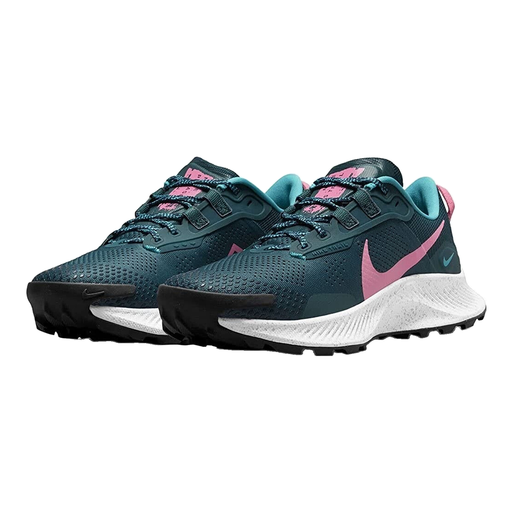
Why it suits this type of runner: Ideal if you alternate between city streets, parks and light trails, and don’t want to buy a different pair for every surface.
The product information specifically mentions use on both trails and in the city. You can check the multidirectional lugs in the product description, giving you more detail than the term “all-terrain” alone.
React foam midsole, mesh with synthetic overlays and a rubber outsole with multidirectional lugs.
We’ve put together a full, up-to-date list of products that meet these strict selection criteria and comply with current European safety regulations.
Measure both feet at the end of the day, wear the socks you normally run in and check that your heel doesn’t lift when you walk. Laces or a hook-and-loop fastening should feel secure without creating pressure points.
After a wet training session, leave your shoes to dry at room temperature. Don’t put them on a radiator or in a tumble dryer: heat can damage the glue and foam. Clean mesh and rubber with a soft brush or damp cloth, following the care instructions. If you run regularly, consider alternating between two pairs so the materials have time to recover between wears.
There’s no set lifespan for running shoes. The surface you run on, your body weight, how often you run and your wear pattern all play a part. Replace a pair when the outsole looks visibly smooth, the midsole stays compressed or the shoe no longer feels stable.
Choose a model with a comfortable fit, good ventilation and an outsole suited to your route. For asphalt and short training sessions, models such as the adidas Runfalcon 5 are a practical starting point. Always check the size and care instructions on the product page.
It depends on how you use them and how much they’ve worn. Don’t just look at the number of kilometres you’ve run; check for a smooth tread, cracks, distortion or reduced comfort too. Shoes worn every day may wear out faster than those used for occasional walks.
They can be used for short stretches, but deep trail lugs may feel less smooth on asphalt and wear down more quickly. If you mainly run in the city, choose a road running model. For mud, loose ground and woodland paths, trail models such as the Salomon Speedcross 5 GTX W or Nike Pegasus Trail 3 are a better fit.
