
Vandaag of morgen in huis

Kwaliteit gegarandeerd

Welkomstaanbiedingen ontgrendelen: GRATIS bezorging | Tot 80% korting | Gratis 30 dagen JoyPlus-proefperiode
Download de app
A pair of running shoes might look convincing online but still not suit your running style. A soft sole, for example, isn’t automatically suitable for long distances. And a breathable upper means little if the shoes don’t provide enough grip in wet weather.
For recreational runners in the Netherlands, these three common pitfalls are particularly relevant:
First, think about where you usually run. Running shoes with a relatively even rubber tread are practical for tarmac and cycle paths. For woodland trails, gravel and hilly terrain, trail running shoes with a more pronounced tread are a better choice.
Check the product information for:
A road-to-trail model can be a good compromise if you switch between pavements, gravel and easy trails. For technical trails with mud or rocks, a dedicated trail shoe is usually the more sensible choice.
The midsole determines how a shoe feels when you run. Many models use EVA, Dreamstrike, Cloudfoam or other foam constructions. These are brand names, so focus on comparing the intended use and fit.
Cushioned running shoes can feel comfortable for easy long runs and everyday training. Lighter models with more responsive foam are generally aimed at speed sessions. Bear in mind the difference between:
Not every runner needs a stable running shoe. Choose extra stability if you prefer firmer guidance or often run on uneven surfaces. Treat product claims about support as a description from the brand, not a guarantee of a particular running technique.
Breathable running shoes often use mesh or sandwich mesh. This can help air circulate, but open mesh isn’t the same as waterproofing. For rainy walks or wet trails, a membrane such as GORE-TEX may be a better choice, although this type of construction can feel warmer.
Also check:
Ideally, measure your feet at the end of the day, wearing the socks you use for exercise. Leave a little room around your longest toe. With men’s running shoes and women’s running shoes, it’s not just the name of the range that matters; the individual last and size chart are more important.

Why it suits this profile: This unisex model is designed for use on everything from city streets to easy trails. The stated foot length for EU 43 is 265 mm, making it easier to compare with your own measurement.
The product description lists both the sole technology and standard and slim-fit versions. Be sure to check which version you’re ordering.
Sandwich mesh and woven material; EVA midsole; ROCKYTEC rubber outsole, according to the product specifications.
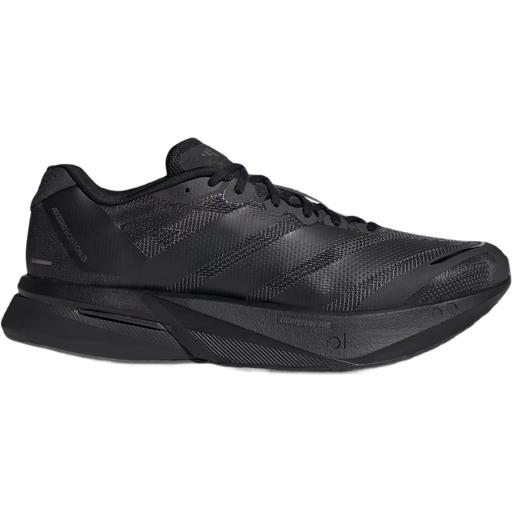
Why it suits this profile: According to the product information, this model is designed for intensive training and race preparation. It’s a good match for runners who value pace and a lightweight feel.
The description names specific components: Lightstrike Pro, ENERGYRODS and a Lighttraxion outsole with Continental Rubber. That makes it easier to understand what this shoe offers than a model with only general comfort claims.
Textile upper; Lightstrike Pro midsole; ENERGYRODS; Continental Rubber at the front, according to the product page.
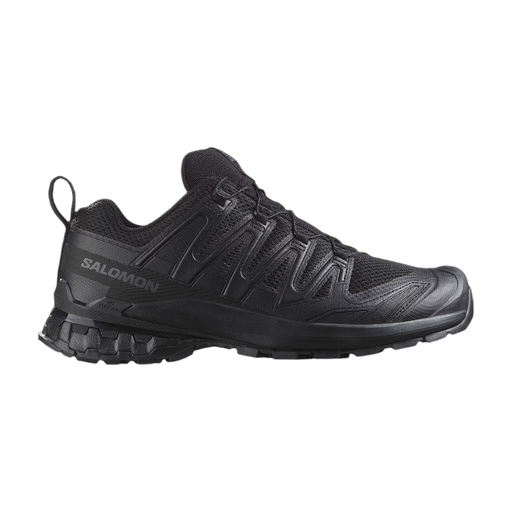
Why it suits this profile: According to the product information, this model is designed for trail running and walking on rougher terrain. The GORE-TEX membrane and Quicklace fastening are practical features for changeable outdoor conditions.
The product page specifies the membrane, chassis and sole type. This makes it clearer that it isn’t an ordinary casual trainer. However, a waterproof construction may feel less breathable than open mesh.
GORE-TEX membrane; 3D Advanced Chassis; Contagrip rubber outsole; Quicklace fastening, according to the product specifications.
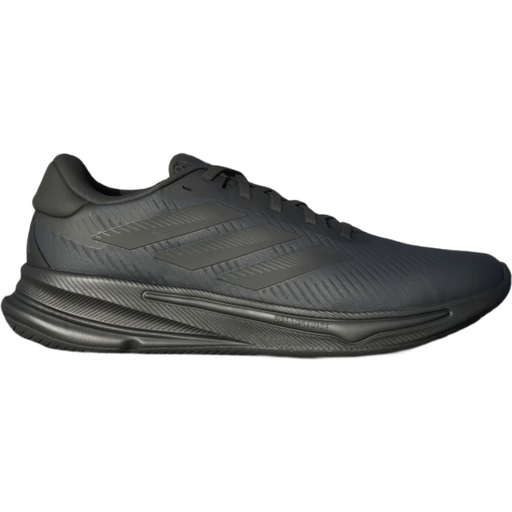
Why it suits this profile: The product description presents this as a stable everyday running shoe for short to medium distances. It’s a good fit for anyone building a regular training routine.
Its intended use is clearly defined: short to medium runs. Don’t automatically use this model for technical trails or race-pace running without first checking how it fits you.
Breathable mesh upper; Dreamstrike foam throughout the midsole; rubber studded outsole, according to the product page.
We’ve put together a complete, up-to-date list of products that meet these strict selection criteria and comply with the applicable European safety regulations.
Not every sports shoe is suitable for running. Trainers for everyday wear often have a casual sole and a fit that isn’t designed for repeated impact from running. Walking shoes generally offer more protection and grip, but they can be heavier and less flexible through the stride.
Choose running shoes if you run regularly. Choose walking shoes for longer walks on unpaved terrain. Casual trainers are a good choice for commuting or everyday wear. For children, models with hook-and-loop fastenings, a regular fit and a rubber sole are practical, but always check the age range, size and fastening.
That depends on how often you use them, your body weight, the surface, your running style and how well you look after them. Don’t just look at how many months you’ve had them; check for visible wear too. A smooth tread, cracks in the upper or a compressed midsole are signs that it’s worth comparing them with a new pair. Alternate between shoes after wet runs and let them air-dry.
Measure both feet in millimetres and compare the measurement with the size chart for the specific model. EU 43 isn’t identical across all brands. Try the shoes on with running socks and check that your toes don’t touch the front. A slim-fit version may work better for narrower feet, while extra room in the forefoot is important for wider feet.
They can be, but weight is only one factor. Also consider cushioning, stability, grip and fit. A lightweight shoe with little protection may feel comfortable for short runs on tarmac, while a slightly heavier model may be better suited to gravel, walking or varied terrain. Use the product specifications as a starting point, then judge the comfort for yourself when trying the shoes on.
